90 years of blood donation in Poland
date
9 January 2025
category
The Presidium of the Masovian District Council of the Honorary Blood Donation of the Polish Red Cross in Warsaw invites all HDK PCK clubs of the Masovian Land to participate in the honorary blood donation campaign on the occasion of the 90th anniversary of blood donation in Poland.
The jubilee year falls in 2025.
The presidents of the clubs participating in the campaign are required to submit certificates confirming the amount of blood donated by the club members, from the appropriate subordinate RCKiK. Certificates must be submitted by the end of January 2026 to the office of the Masovian District Branch of the Polish Red Cross in Warsaw at ul. Szańcowa 25. for the preparation of the list of distinguished clubs by the Management of the Masovian District Branch of the PCK, which donated the most liters of blood and its components.
On behalf of the Presidium of MOR HK PCK
Mirosław Szymański
Chairman
From the pages of history
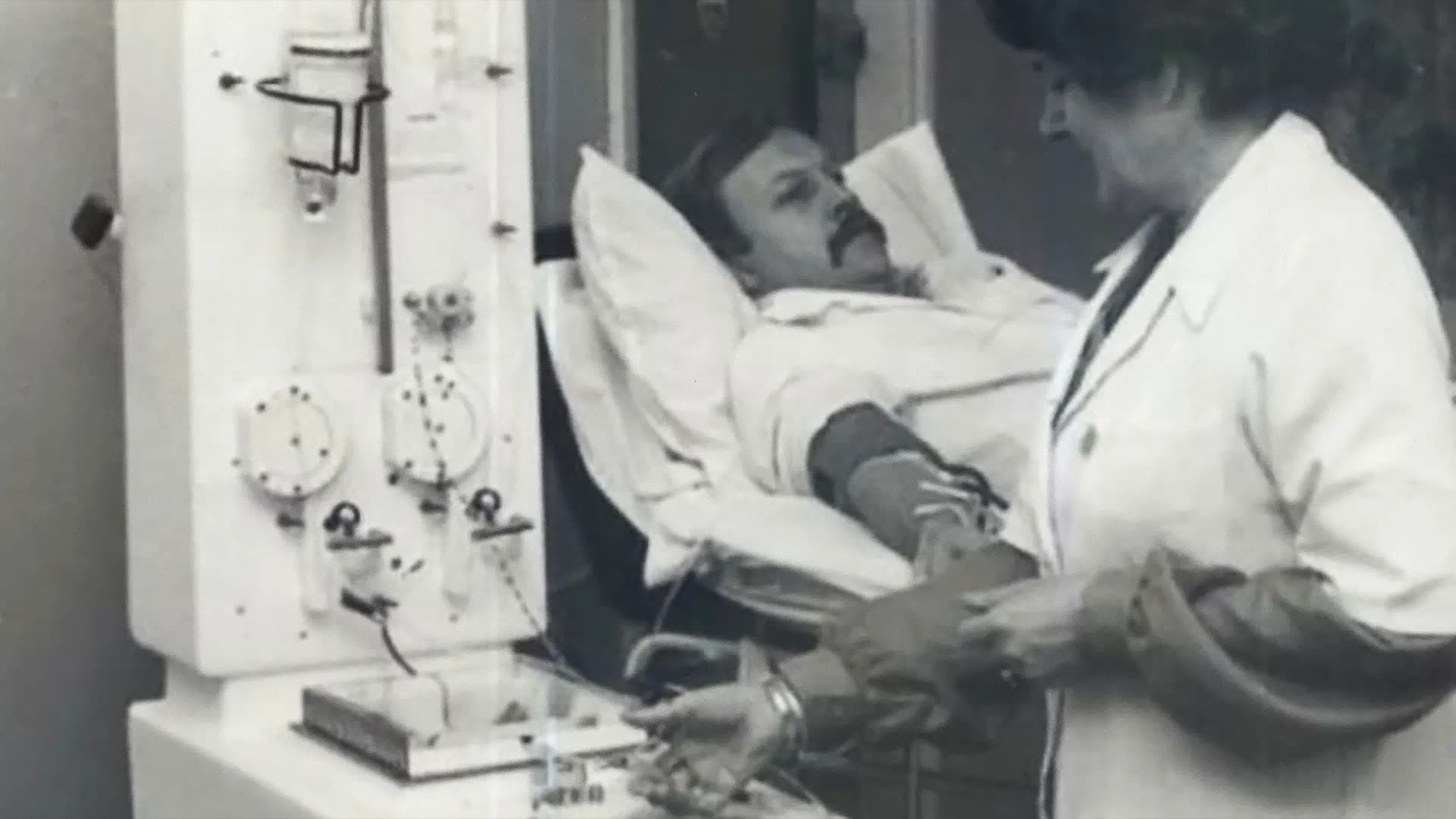
In 1935 in Warsaw, at 6 Smolna Street, initiated by the Polish Red Cross, the Institute for Blood Collection and Conservation was established, as the first medical facility in Poland dealing with transfusion issues. This event significantly contributed to the later fruitful development of blood donation and blood therapy in our country. The 1930s brought a great development of European transfusion medicine. A significant figure among the scientists dealing with these issues is undoubtedly Henryk Gnoiński, a scientist affiliated with the Polish Red Cross, the author of a monographic work on blood treatment, which earned him a post-doctoral degree. He becomes the first director of the Institute at Smolna Street. His further work is dedicated to the possibilities of blood conservation and transfusion. He is the author of many books, including: “On Blood Transfusion”, “Development of the Idea of Blood Transfusion” – published in the late 1930s. After years of war turmoil, Henryk Gnoiński, as a member of the PCK Management Board, at the request of the Ministry of Health, begins work on organizing blood transfusion stations in the autumn of 1945 while simultaneously fulfilling his duties as a university teacher at the Medical Academy in Gdańsk. He is remembered from both of these activities as a strong supporter of blood therapy and the idea of voluntary blood donation. The construction of the Polish blood service, carried out by the Polish Red Cross, lasts for several post-war years.
The facts mentioned above seem sufficient to recognize Henryk Gnoiński and the Polish Red Cross as the “Fathers” of Polish Blood Donation and Blood Therapy.
Return
See also
Jan
10
blood donation
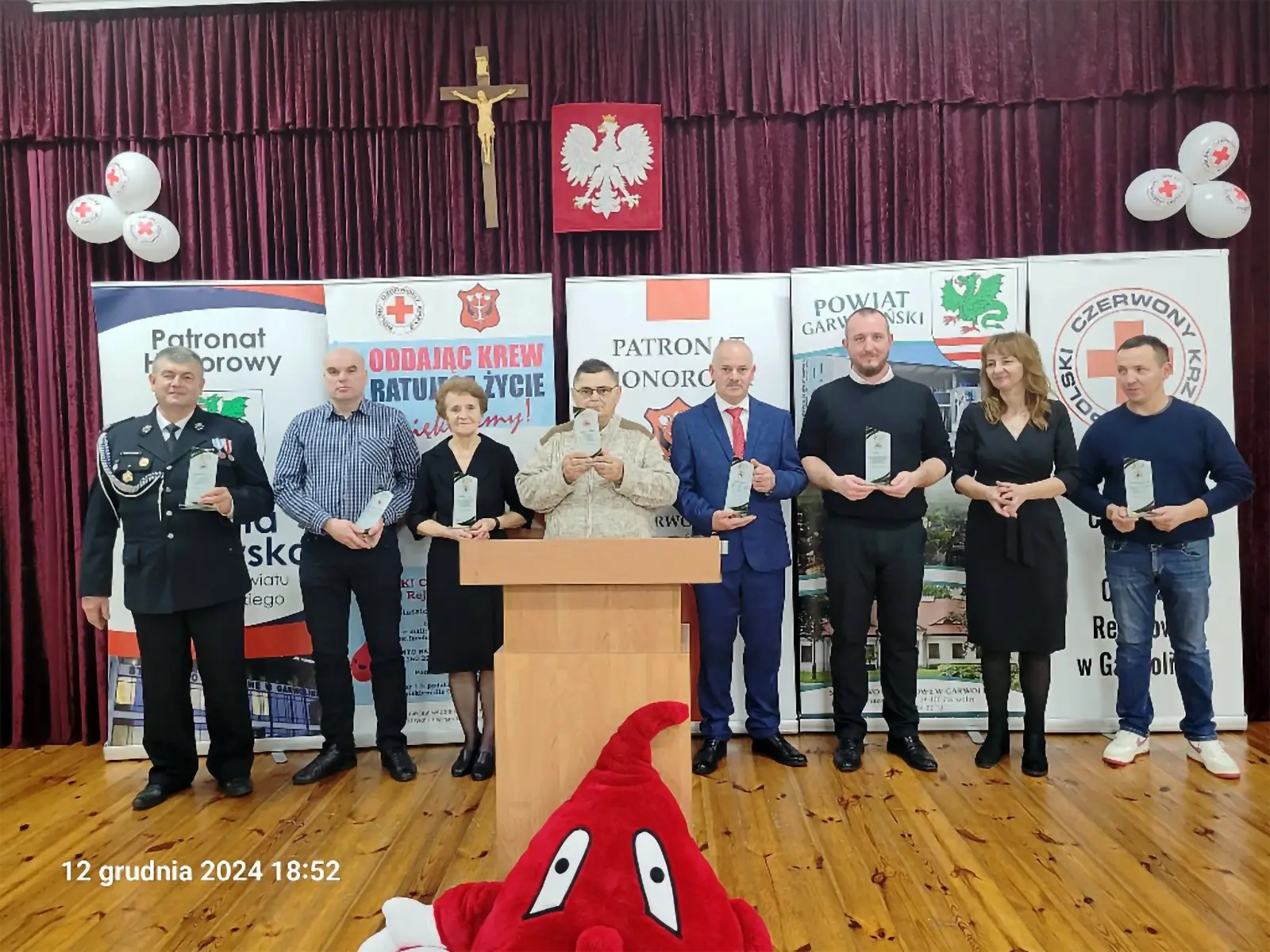
100 Lat OR PCK in Garwolin!!!
The Regional Branch of the Polish Red Cross in Garwolin joyfully organized every event in 2024 in the atmosphere of the 100th anniversary of the Branch.
Jan
10
educational program
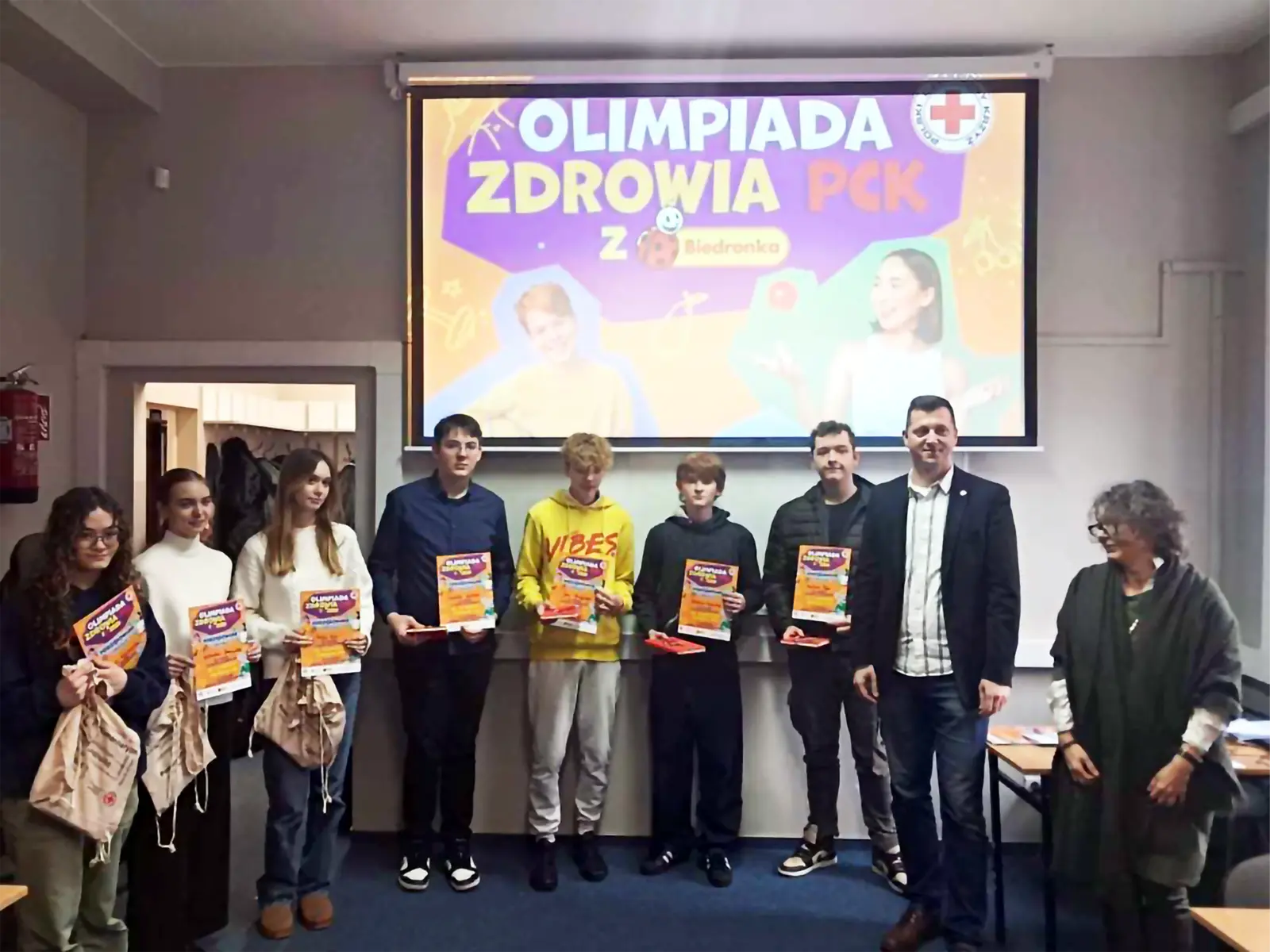
Health Olympics PCK in Warsaw
On January 9, 2025, took placePCK Health Olympiad in Warsaw. As every year, the venue for the olympiad was the Team of Secondary Schools and Economic Schools No. 1 in Warsaw.
Jan
07
blood donation
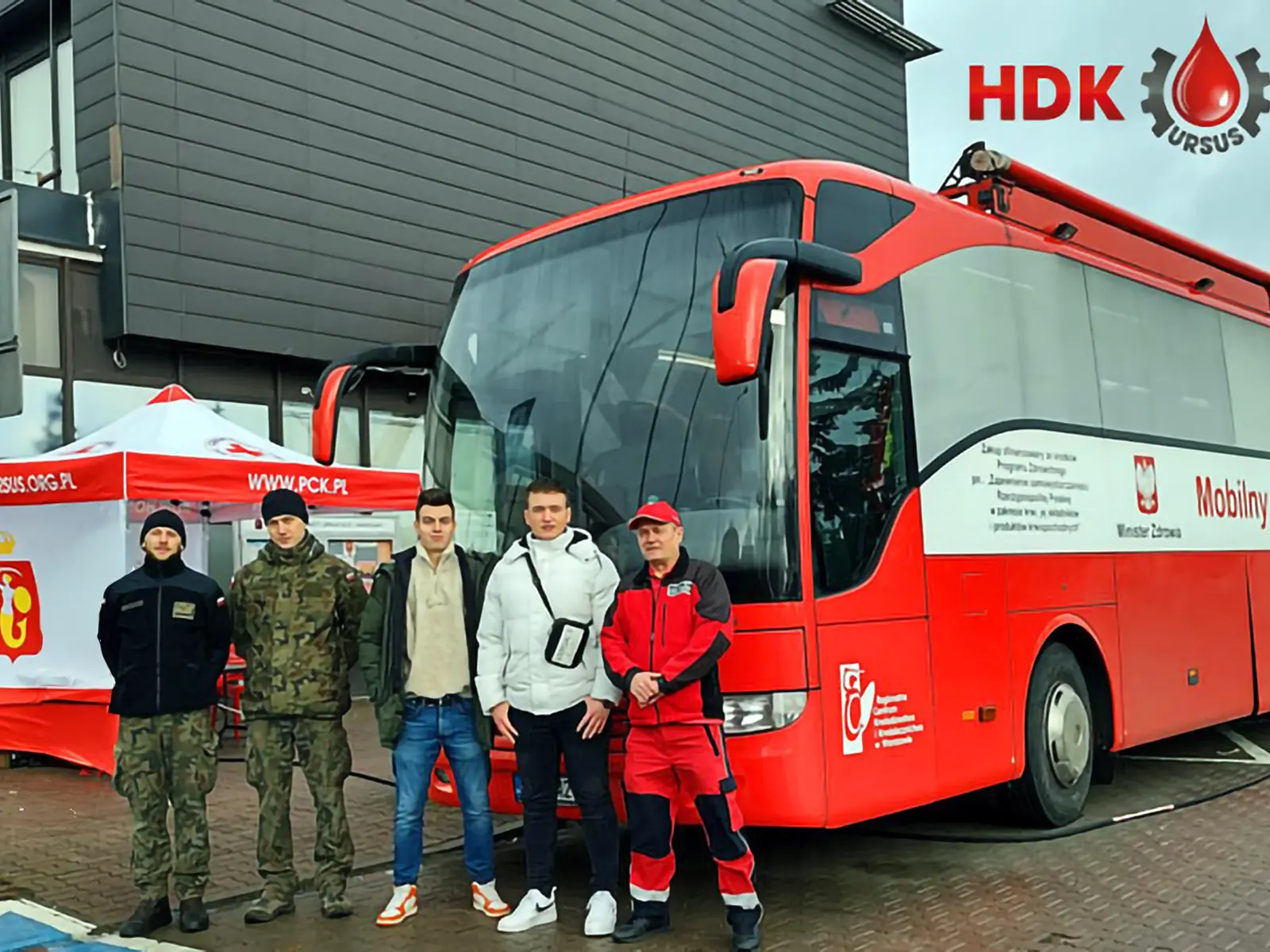
Blood donation in URSUS
The Honorary Blood Donors Club URSUS operates atthe District Office of Ursus, the capital city of Warsawunder the honorary patronage of Mayor Bogdan Olesiński.
Jan
07
Wanted integration assistant
We cordially invite you to familiarize yourself with the job offer for the position of Integration Assistant as part of the project titled.” Together to independence”, funded by the European Union under theASYLUM, MIGRATION AND INTEGRATION FUND.
Website sponsored by home.pl

You are currently viewing a page filtered by content from the department. Cała PolskaIf you want to view content from Cała Polskaclick the button