Livelihoods
date
21 November 2024
category
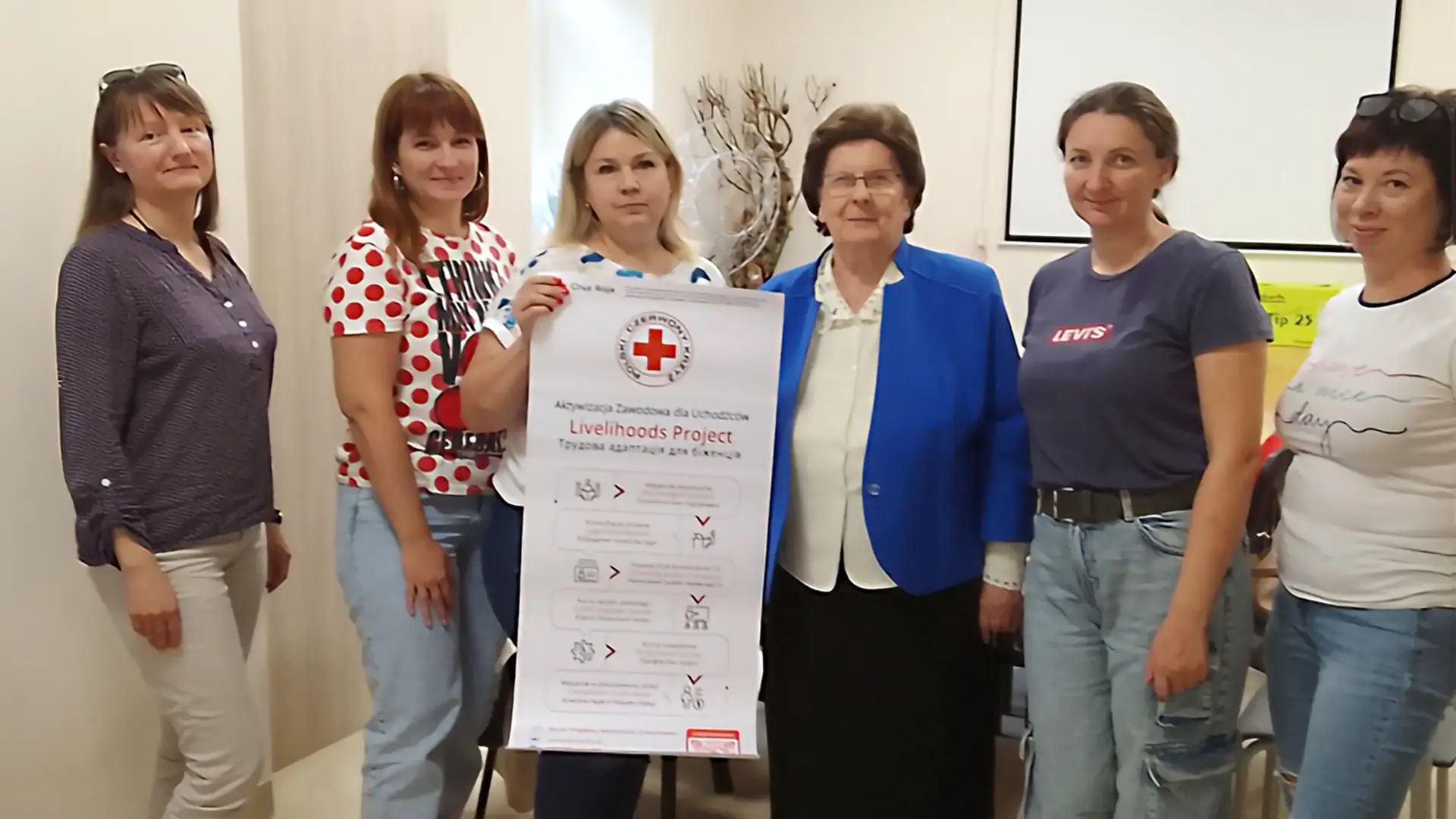
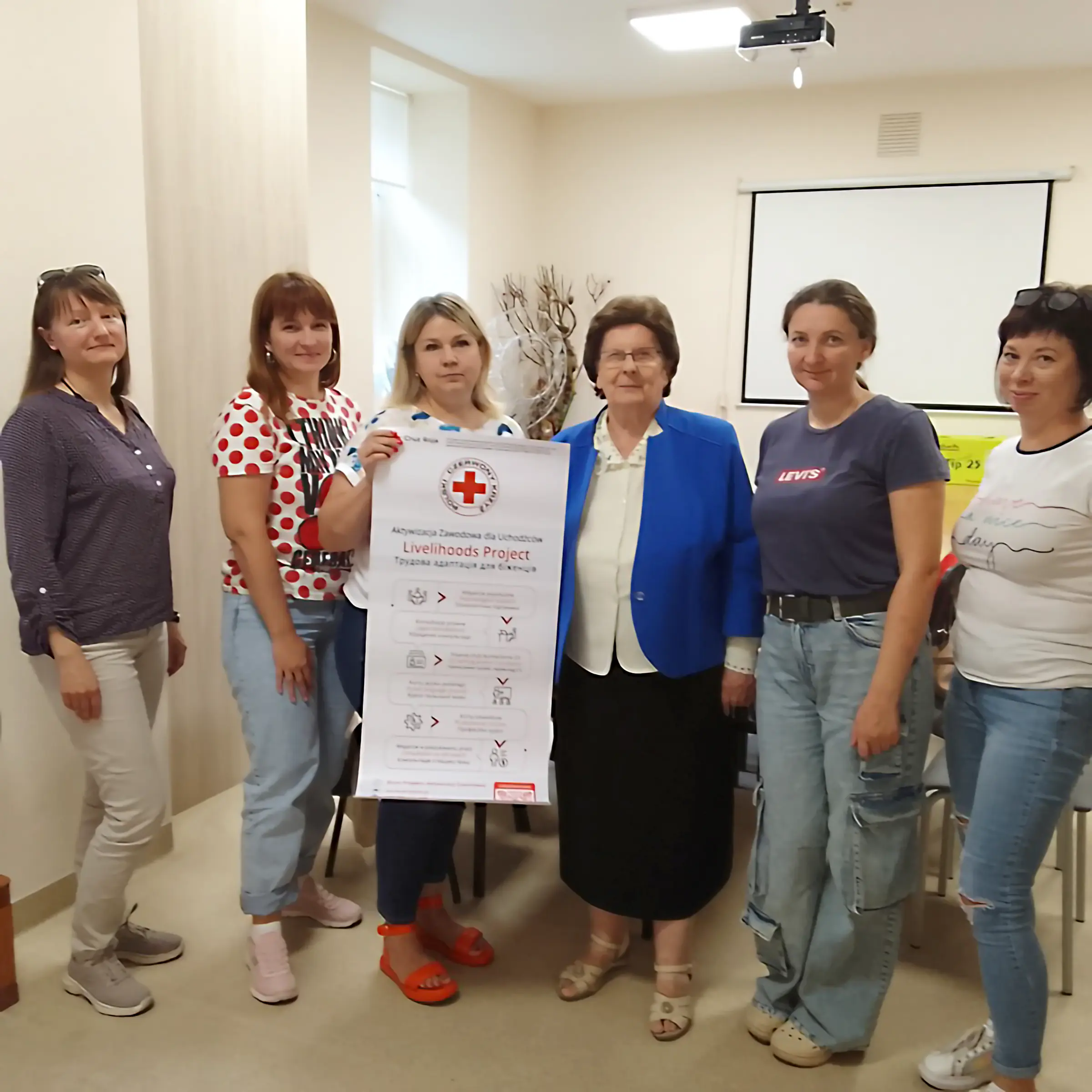
After the outbreak of the war in Ukraine in 2022, the Polish Red Cross, with the financial support of the Spanish Red Cross, began the implementation of the project “Livelihoods” (Professional Activation Program for refugees).
The project was created to help people forced to leave the country and in need of work to meet their basic needs, who want to integrate into the Polish labor market, being an integral part of the pan-European labor market.
The project provides refugees, who are a vulnerable category in the labor market, with the opportunity to find suitable employment and, if necessary, undergo vocational training. With such support, individuals in crisis situations receive the opportunity to work and live in the new host country.
In the first year of the Livelihoods project implementation, nearly 500 people registered in its Masovian branch, and over 400 people in the second year. The vast majority of them are refugees from Ukraine, as well as migrants from Azerbaijan, Afghanistan, Belarus, Georgia, Kazakhstan, Turkey, Uzbekistan, and the Democratic Republic of the Congo.
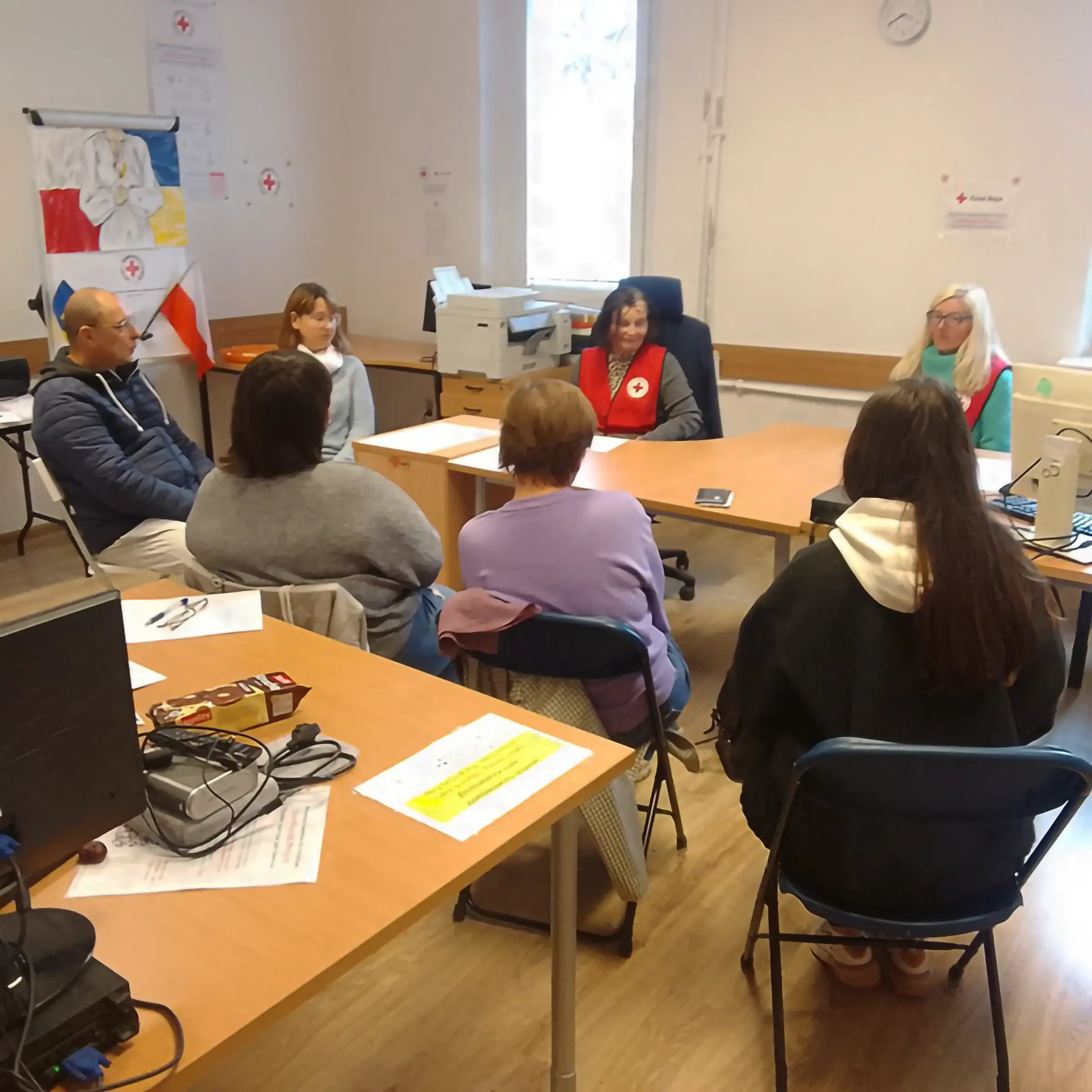
The Masovian branch of the Livelihoods project provides comprehensive free support to refugees in the job search process. It provides information on Polish employment legislation, the specifics of the labor market, and legal employment in Poland, referrals for free vocational training, offers employment recommendations, CV preparation assistance, and help in finding work. Project participants also have the opportunity to undergo a series of psychological training sessions to prepare for working in the Polish labor market and receive legal advice. The set of project activities includes the possibility for refugees to participate in Polish, French, and Spanish language courses, which accelerates their social adaptation to new living conditions in the European Union and integration with the European labor market.
In 2024, the Masovian branch of the Livelihoods project organized the following training sessions for project participants:
Course “Sister PCK” – 1 group (12 people).
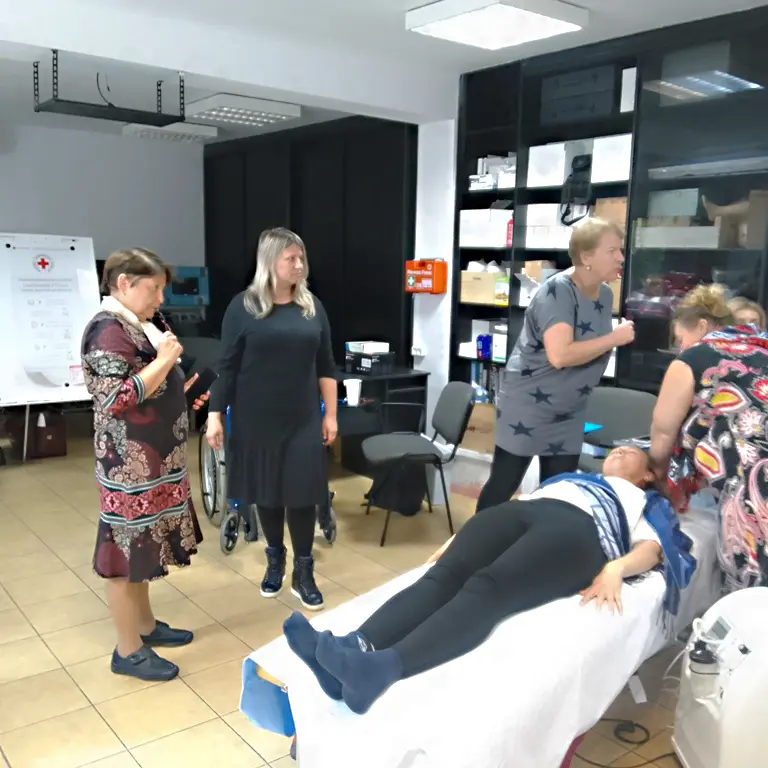
Course “First aid” – 1 group (10 people).
Course “Basics of accounting” – 2 groups (35 people).
Course “Makeup” – 3 groups (12 people).
Course “Manicure” – 6 groups (28 people).
Course “Cash register and invoicing” – 2 groups (10 people).
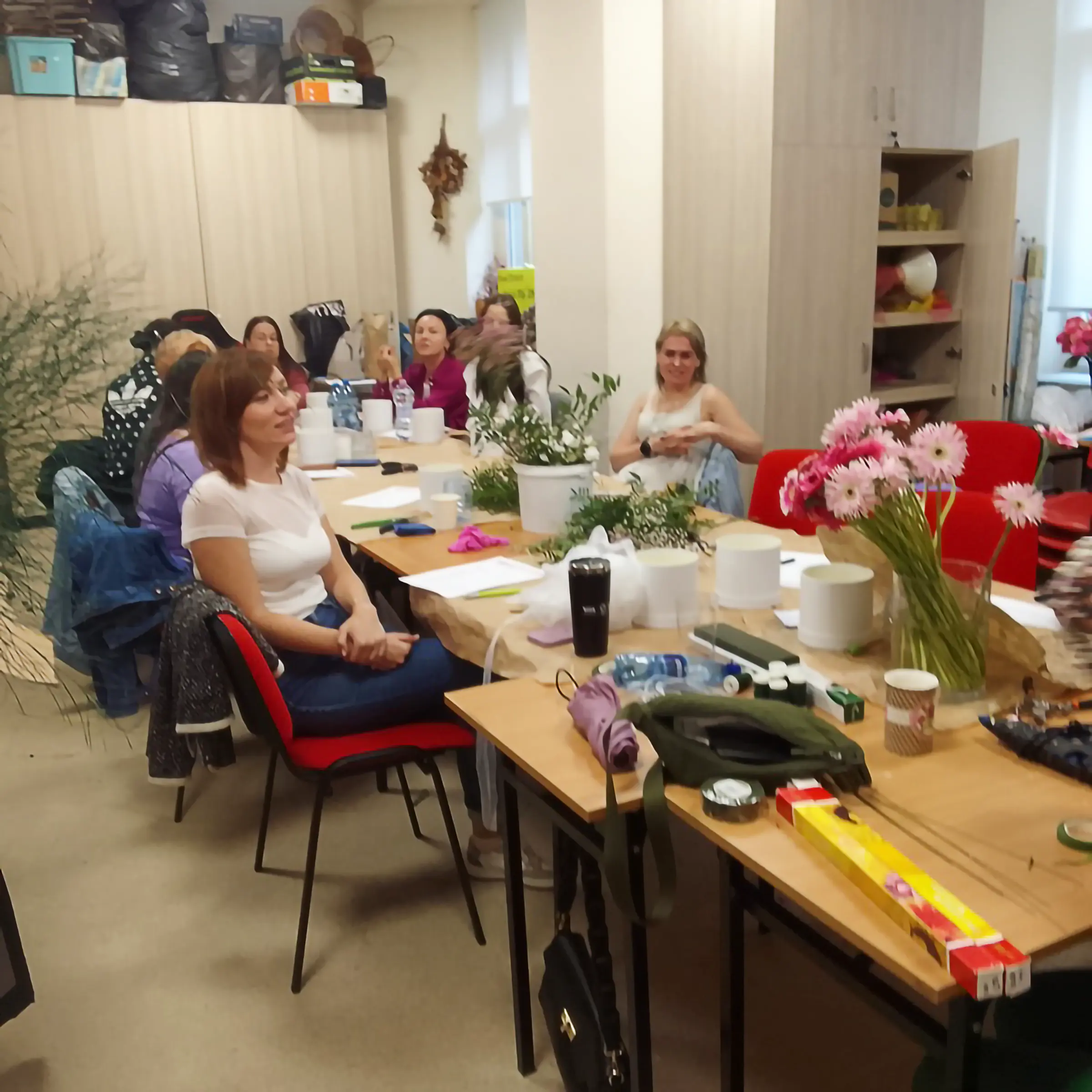
Course “Floristry” – 3 groups (30 people).
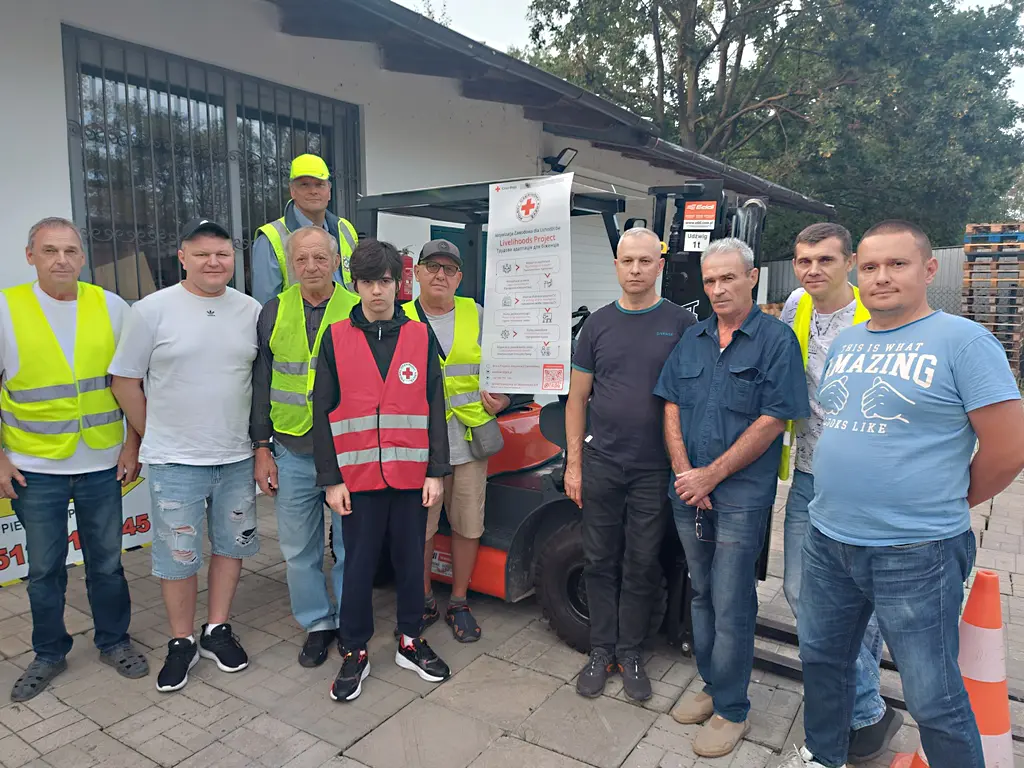
Course “Forklift operator”
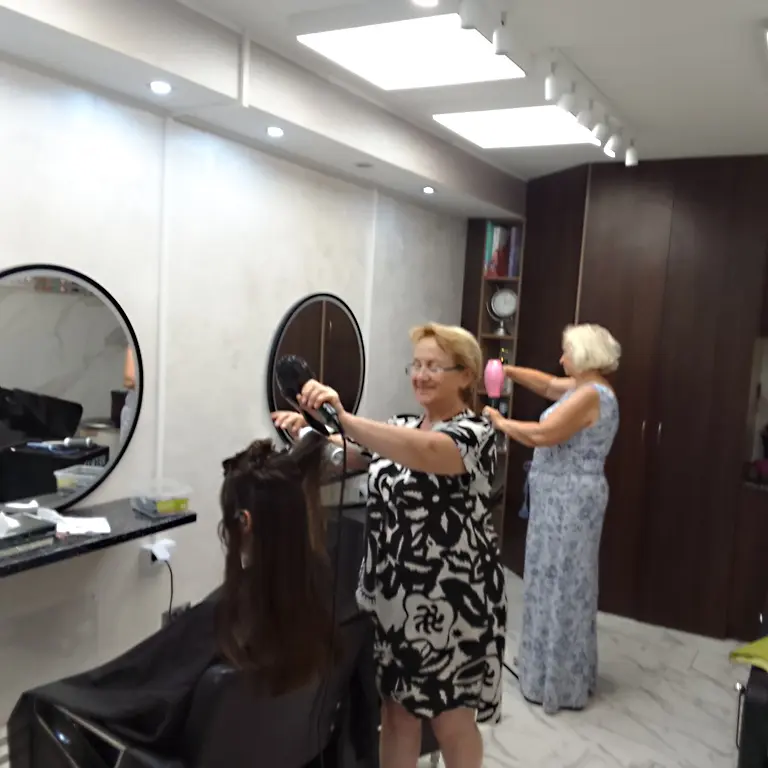
Course “Hairdresser” – 2 groups (10 people).
Course “Forklift operator” – 2 groups (20 people).
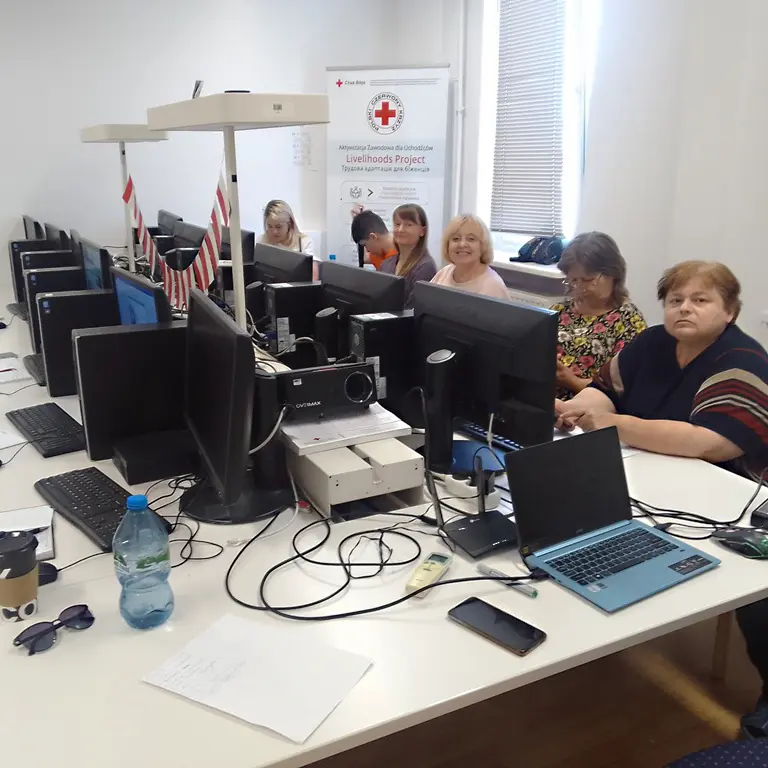
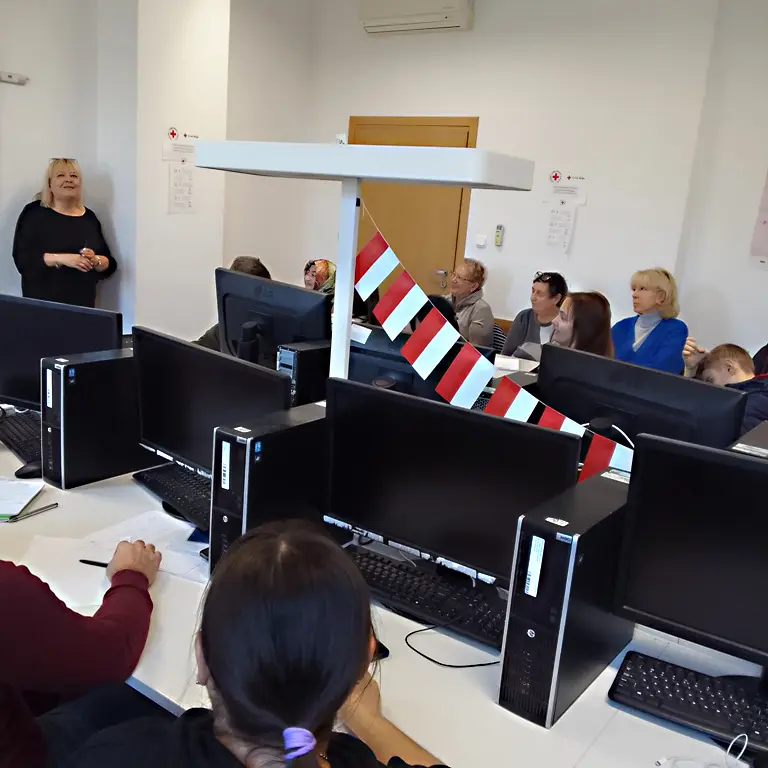
Course “Microsoft Office” – 3 groups (36 people).
Polish language courses A1, A2 – 10 groups (222 people).
Spanish language courses A1, A2 – 4 groups (35 people).
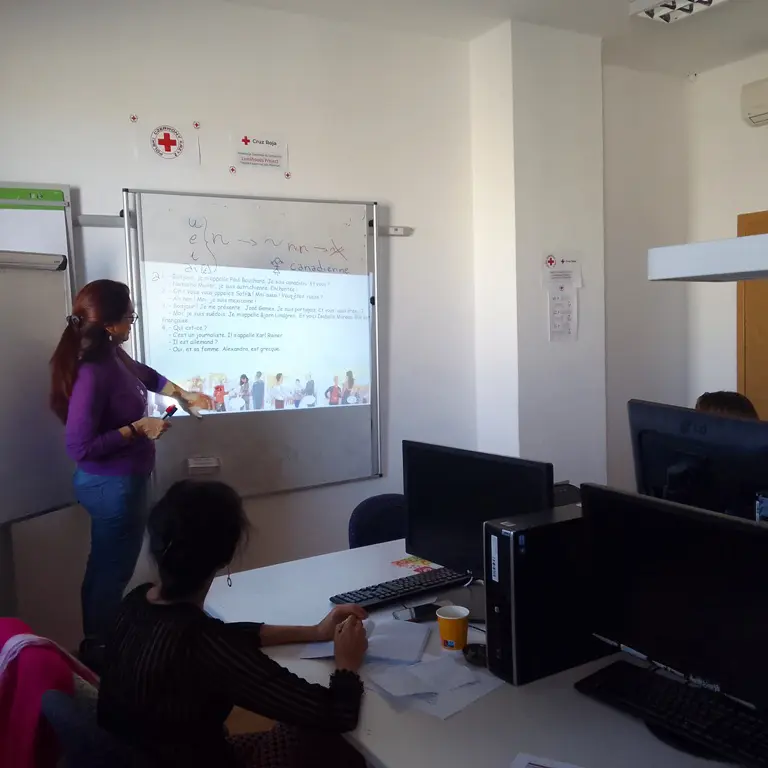
French language courses A1 – 2 groups (15 people).
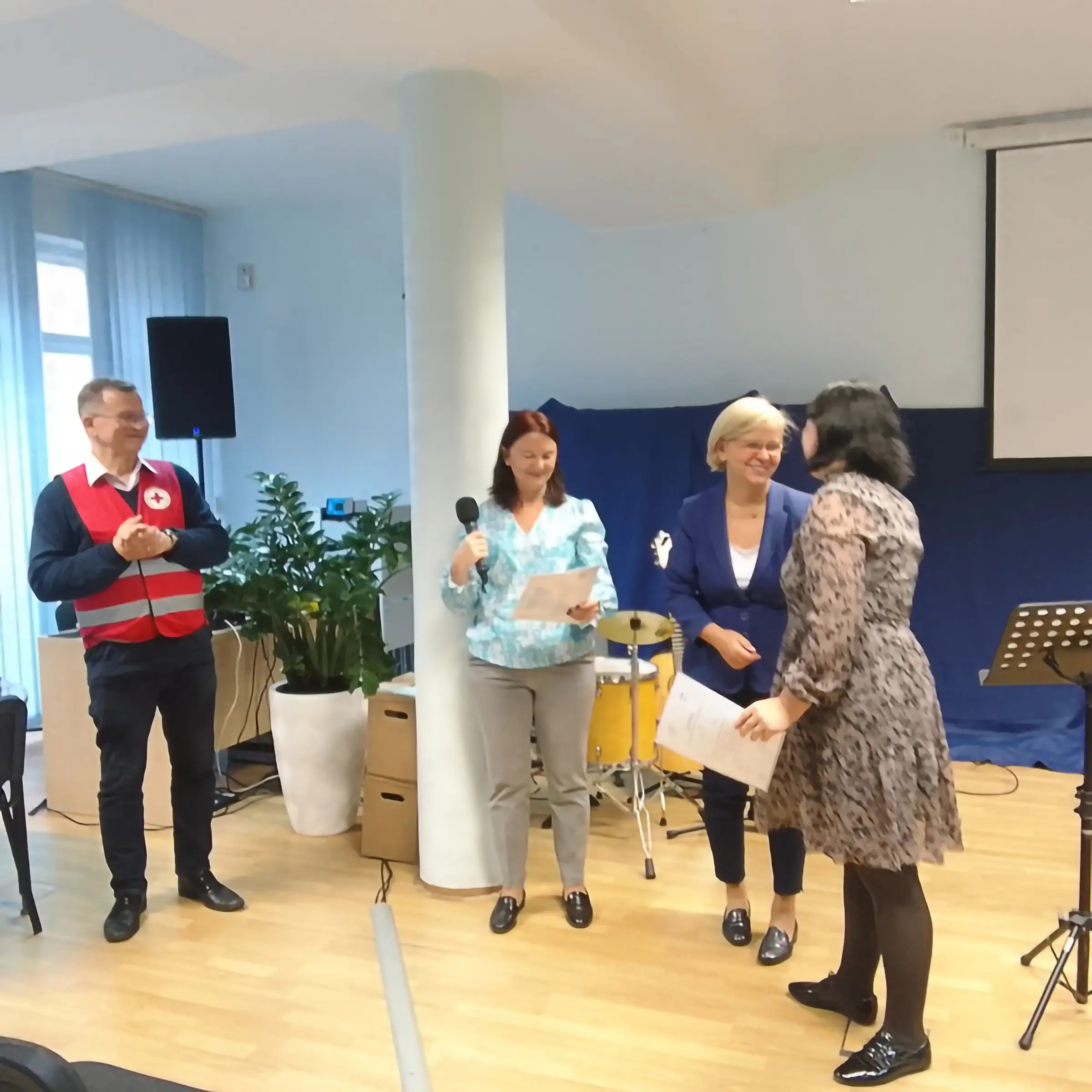
The ceremonial awarding of training certificates coincided with the International Migrants Day. As part of the celebrations, there was also a concert featuring project participants from various countries around the world.
The implementation of the Livelihoods project in Mazovia was assisted by the Job Center of the city of Warsaw, the Embassy of Spain in Poland, and the Ukrainian-Canadian School in Warsaw.
The Masovian project team collaborated with the BZG PCK Helpline and supported the PCK project “Friend in Contact” and the EU project “Together towards independence.”
For the following year 2025, the Masovian branch of the Livelihoods project plans to continue cooperation with projects implemented by the Polish Red Cross and the EU and strengthen cooperation with employers to promote the employment of project participants.
Return
See also
Nov
27
seniors, social campaign, social assistance
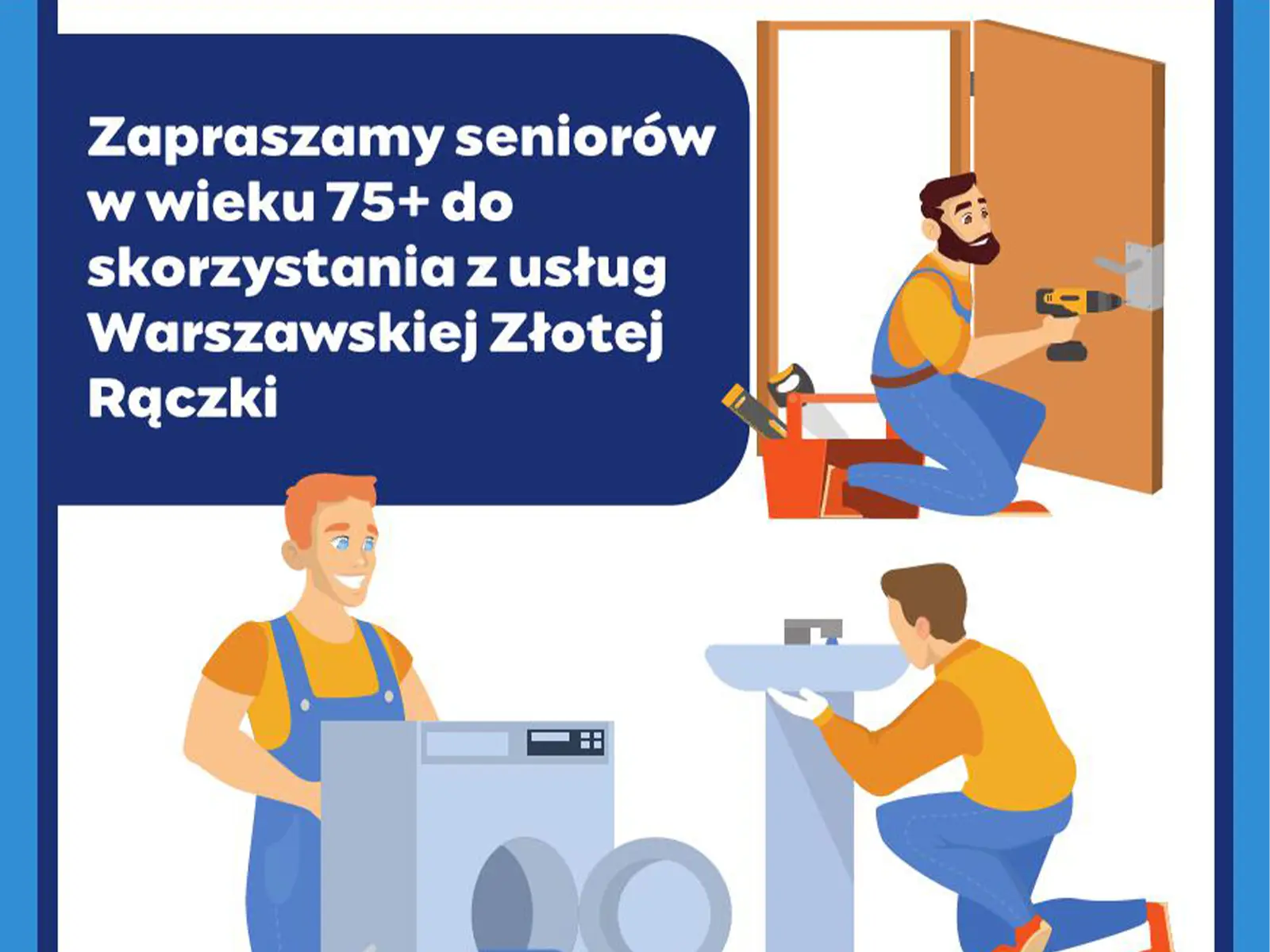
Handyman for Seniors
Another edition of the Warsaw Handy Person project for Seniors has started. The program is dedicated to people over 75 years of age living in Warsaw.
Nov
25
blood donation, donors, events
HDK Days in Kozienice
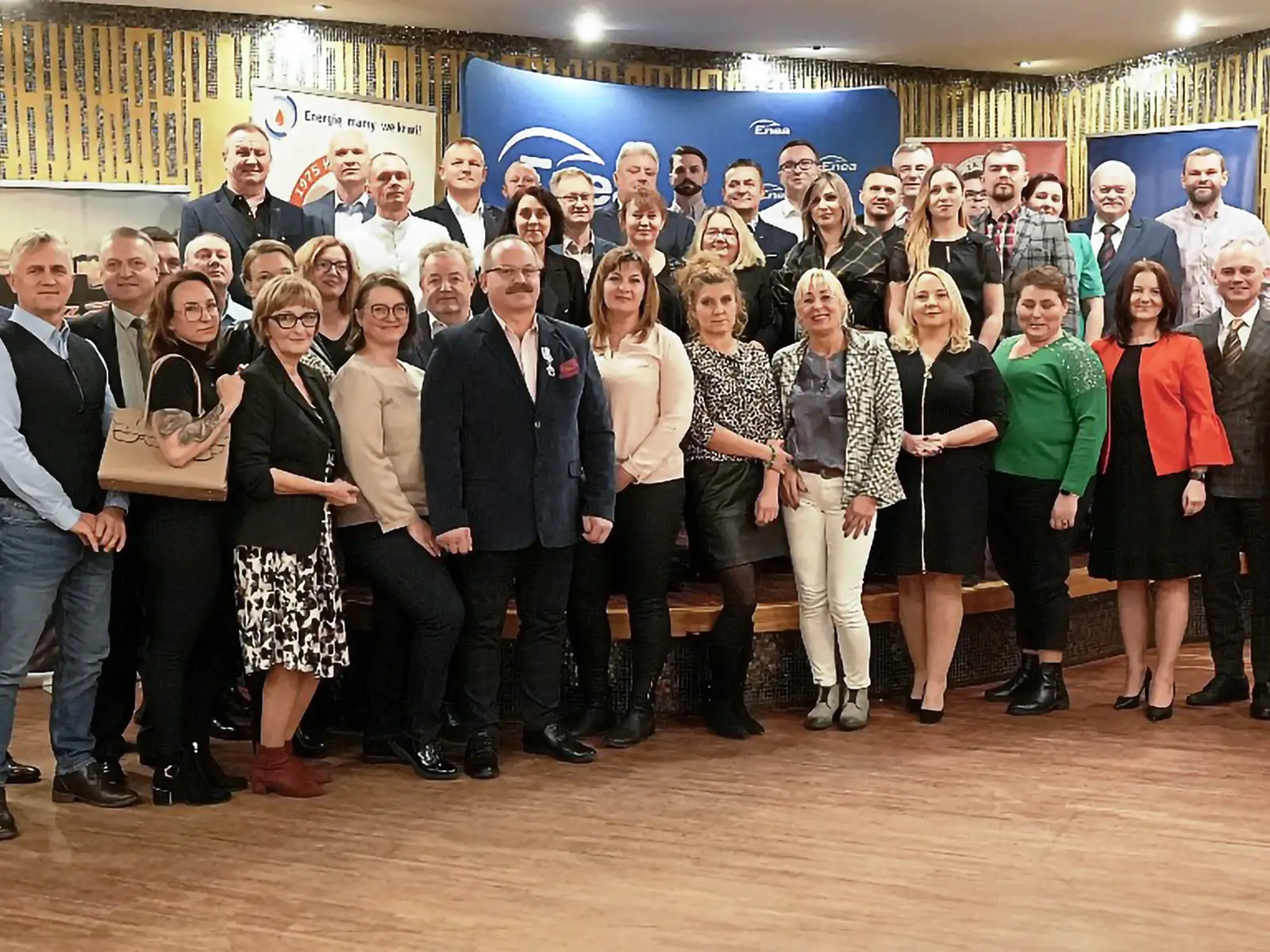
A solemn atmosphere, awards and thanks for the gift of life – this is what this year's celebrations of the Honorary Blood Donors' Day of the Polish Red Cross (PCK) in Kozienice looked like, which took place on November 22, 2024.
Nov
19
blood donation
HDK Days
On the occasion of the Days of Honorary Blood Donation of the Polish Red Cross – to all Honorary Blood Donors, their families, volunteers, and supporters of the Movement, on behalf of the Presidium of the Mazovian District Council of Honorary Blood Donation of the Polish Red Cross in Warsaw, I extend my warmest wishes for health, satisfaction in saving the health and lives of others, and many professional successes.
Nov
17
first aid, educational program
#ForRescueFlood
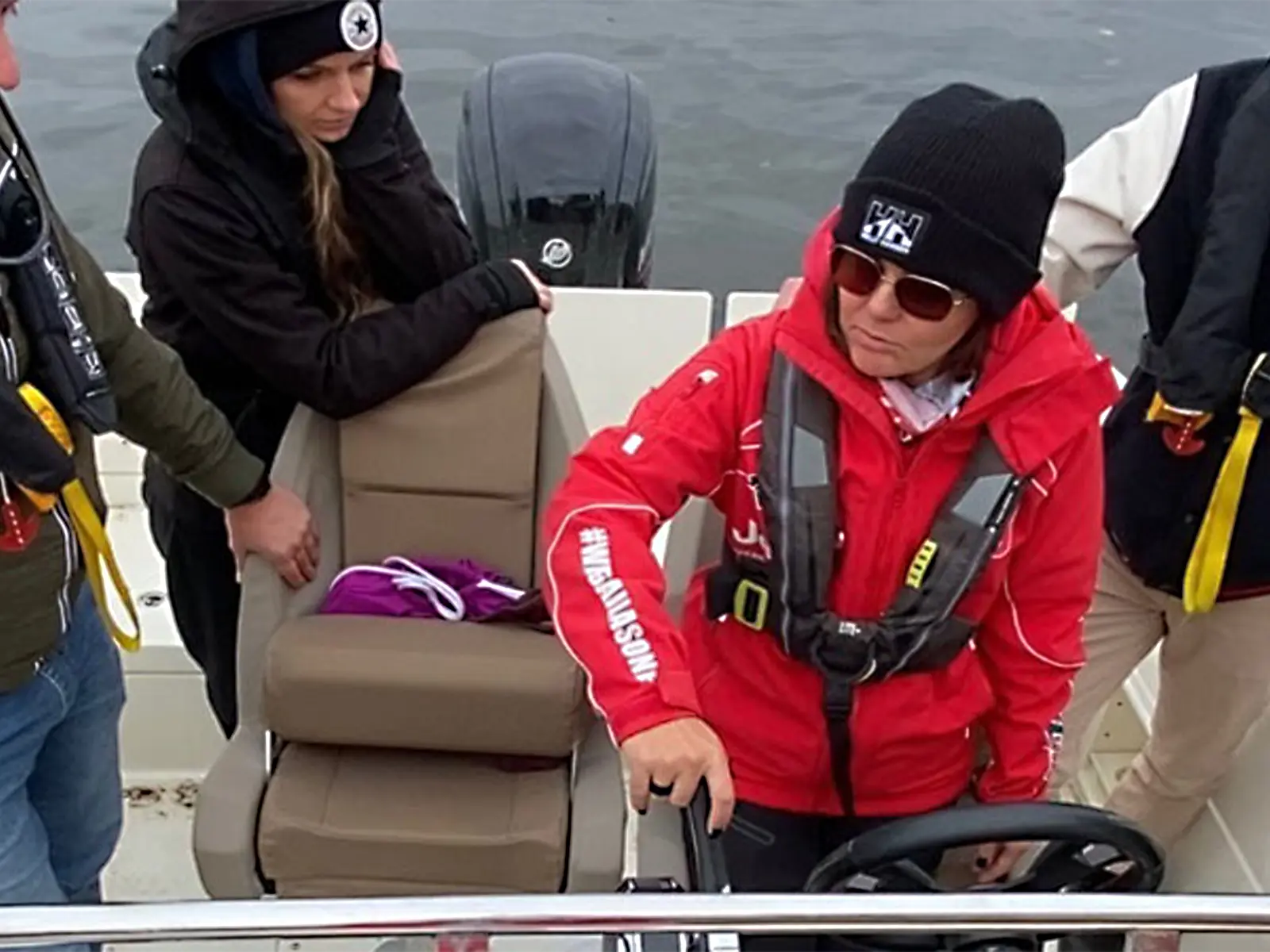
On the 26th-27th of October 2024, a motorboat helmsman license course took place at the Zegrzyński Lagoon, organized by SZTORM GRUPA.
Website sponsored by home.pl
You are currently viewing a page filtered by content from the department. Cała PolskaIf you want to view content from Cała Polskaclick the button