date
5 March 2026
category
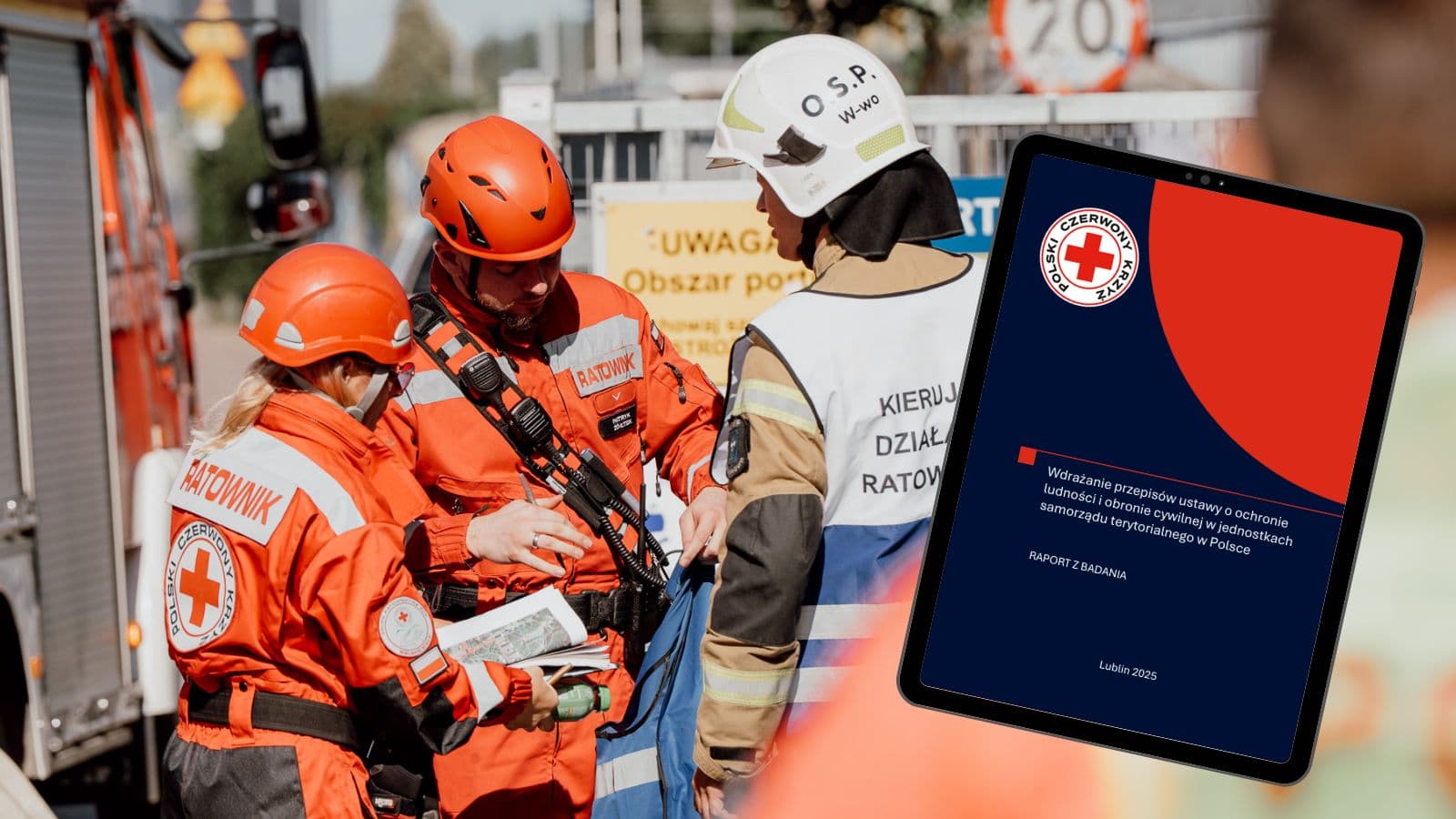
Over 75% of municipalities and 60% of counties in Poland are uncertain about their readiness to respond to crisis situations, and accordingly, 22.1% of municipal offices and 21% of counties directly acknowledge a lack of readiness – according to the report by the think tank of the Polish Red Cross entitled ‘Implementation of the provisions of the law on civil protection and civil defense in local government units in Poland.’
The report was created at a particular moment. The Polish local administration has gone through a series of humanitarian crises: from epidemic experiences to migration pressure to the consequences of the war in Ukraine. At the same time, this is the first extensive study analyzing the implementation of the Act of 5 December 2024 on civil protection and civil defense and the OLiOC Program for 2025–2026 at the municipal and county level.
See:
Civil protection - mainly in theory
The report shows that local governments are at the stage of gradually adapting to new regulations. There is a high declarative familiarity with the regulations and an awareness of the importance of civil protection; however, implementation is accompanied by significant organizational, financial, and staffing barriers.
Data shows that:
48.1% of municipalities and 41.9% of counties rate their equipment as low or very low,
over 61% of municipalities and 48% of counties consider funding for civil protection tasks to be insufficient or definitely insufficient.
The most frequently cited problems are the lack of stable funding sources, personnel shortages, imprecise procedures, limited possibilities for developing protective infrastructure, and evacuation planning. There is also a lack of shelter places for residents:
92.1% of municipalities declare that they have shelter places in collective protection facilities for a maximum of 25% of residents;
none of the surveyed municipalities provides shelter for over 75% of the population.
The report by the think tank of the Polish Red Cross is more than just a summary of research - it is a real impulse to build a modern and resilient civil protection system in Poland - explains Marcin Kowalski, a member of the Board of the Polish Red Cross responsible for rescue and civil protection. He adds: -We see the readiness of local governments to take responsibility for the safety of their communities. However, to operate effectively, they need stable funding mechanisms, clear procedures, and strong partnerships with social organizations.
Worse in poorer and smaller municipalities
The report by the PCK think tank highlights the differences between individual municipalities and counties. Units with larger budgets and stronger administrative structures adapt to new regulations and implement innovative solutions more quickly. In smaller municipalities, the challenges are greater - there is a lack of both specialized personnel and experience in coordinating actions with NGOs or the military.
Too little cooperation
One of the most important conclusions from the research is the need for real strengthening of intersectoral cooperation. The report emphasizes that the potential of NGOs - including Volunteer Fire Brigades - is not fully utilized, despite declared readiness for partnership:
over 44% of municipalities and 45% of counties do not cooperate with non-governmental organizations in areas related to OLiOC;
57% of municipalities and 55% of counties declare the need for such support.
Both municipalities and counties are aware of the need for civil protection, but fully utilizingtheir potential requires strengthening cooperation with NGOs and ensuring better organizational frameworksand stable financial support. More effective educational activities, drills, joint projects, and full utilization of the potential within NGOs could significantly increase the level of safety for residents -emphasizes co-author of the study Dr. Ilona Dąbrowska, representing UMCS in Lublin.What should change to make it safer?
The report does not limit itself to diagnosis but formulates concrete recommendations. The authors mainly advocate for improving funding mechanisms and introducing more stable long-term planning. They also point out the need for standardizing procedures, which would increase the consistency of actions on a national scale and reduce differences between individual units. Technical resources and evacuation infrastructure need to be supplemented, and evacuation plans and risk analyses need to be updated.There is also a strong emphasis on developing training, drills, and educational activities aimed at residents. At the same time, building sustainable partnerships with social organizations based on clearly defined cooperation principles and long-term support is recommended.
We will help prepare for a crisis
The Polish Red Cross is a statutory civil defense entity. PCK specialists, drawing on their experiences gained during crises and natural disasters, train local government staff and residents in civil protection and civil defense. The Polish Red Cross is authorized to conduct training in civil protection and civil defense based on a decision dated October 10, 2025, issued by the Fire Academy.
The report was prepared by the PCK think tank - an analytical-research unit operating at the PCK Humanitarian Assistance Center in Lublin. The study was conducted in November 2025 as part of the project ‘Crisis management in theory and practice - development of analytical-research activities of PCK’, funded by the National Freedom Institute - Center for the Development of Civil Society under the Government Program for the Development of Civic Organizations for 2018-2030.
Raport został przygotowany przez think tank PCK – jednostkę analityczno-badawczą działającą przy Centrum Pomocy Humanitarnej PCK w Lublinie. Badanie przeprowadzono w listopadzie 2025 r. w ramach projektu „Zarządzanie kryzysowe w teorii i praktyce – rozwój działalności analityczno-badawczej PCK”, sfinansowanego ze środków Narodowego Instytutu Wolności – Centrum Rozwoju Społeczeństwa Obywatelskiego w ramach Rządowego Programu Rozwoju Organizacji Obywatelskich na lata 2018-2030.
Return
Feb
27
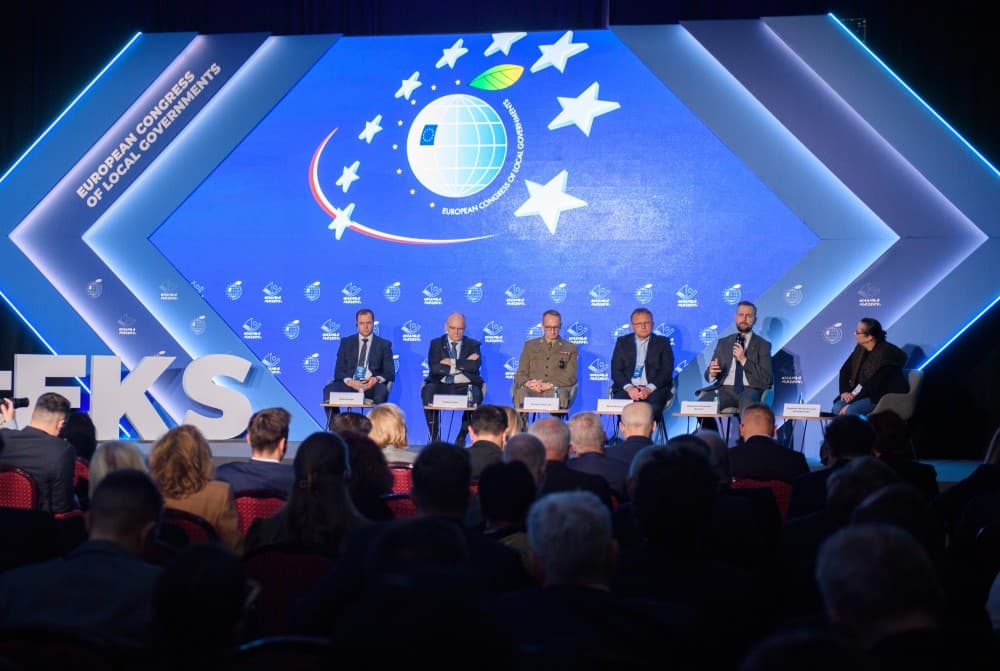
European Congress of Local Governments. We Will Help You Prepare for a Crisis
The Polish Red Cross will participate in the European Congress of Local Governments in Mikołajki. The event, which attracts local government officials, experts, decision-makers, and business leaders, is an opportunity to present our experience and services in the field of civil protection and civil defence.
Mar
02
humanitarian law, armed conflicts
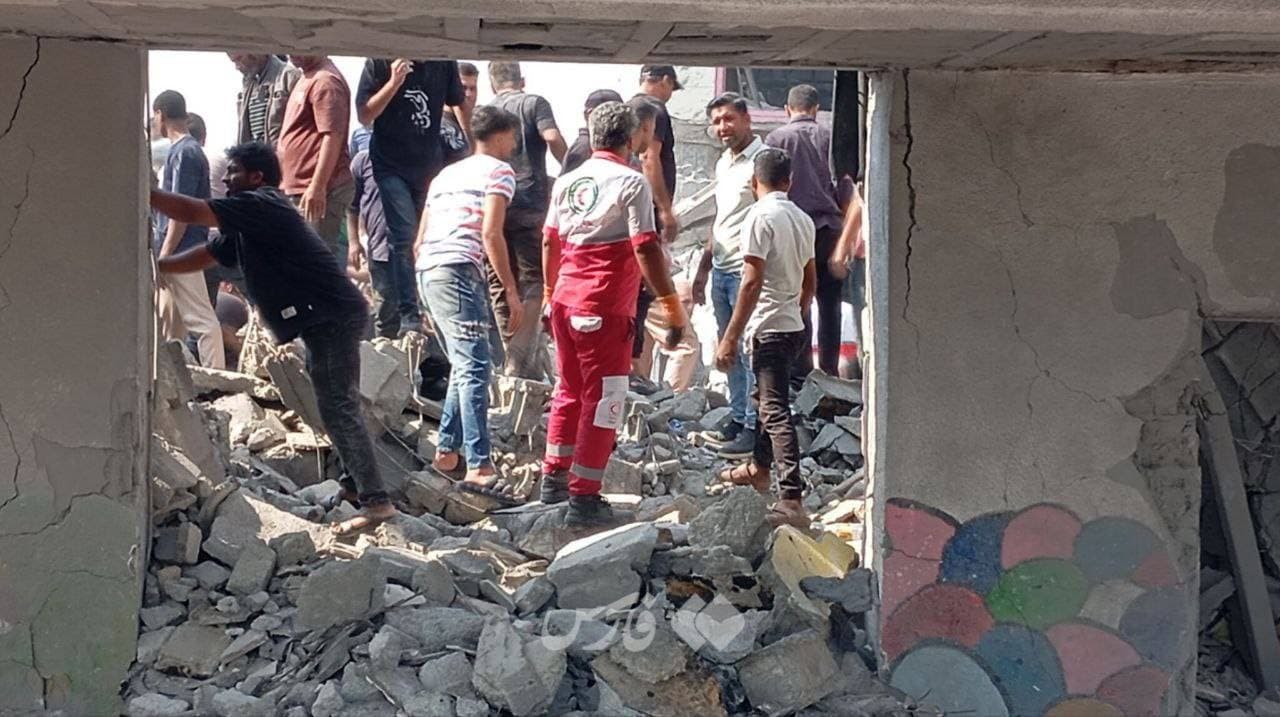
Iranian Red Crescent calls for respect of international humanitarian law
Statement by the President of the Iranian Red Crescent following the attack of 27 February 2026 on the territory of the Islamic Republic of Iran, in which civilians were killed and injured.
Feb
23
migrants, training
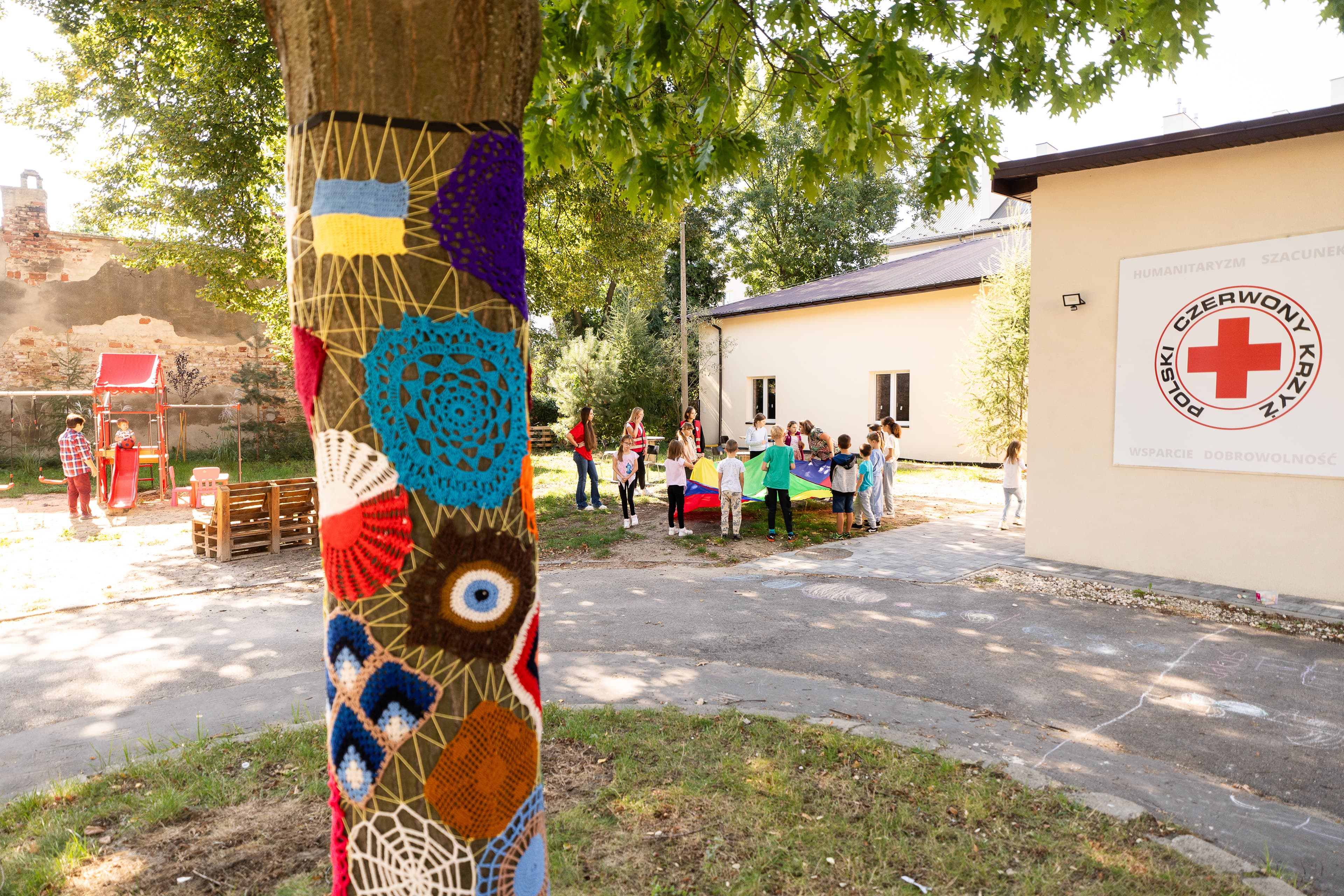
From intervention to integration. The fourth year of the Polish Red Cross aid activities for people from Ukraine
Up to four thousand people per month visit the 16 Integration Centres of the Polish Red Cross, located throughout the country. These are places of first contact, support and information for those who, after the outbreak of the conflict in Ukraine, have started a new life in Poland.

Feb
06
Website sponsored by home.pl

You are currently viewing a page filtered by content from the department. Cała PolskaIf you want to view content from Cała Polskaclick the button