date
16 March 2026
category
Rescue workers and humanitarians from all over Poland, demanding tasks in extremely difficult conditions, as well as discussions on building resilience. We have just completed the Silesia 2026 Exercises and the conference "Safety. Resilience. Cooperation" in Zabrze.
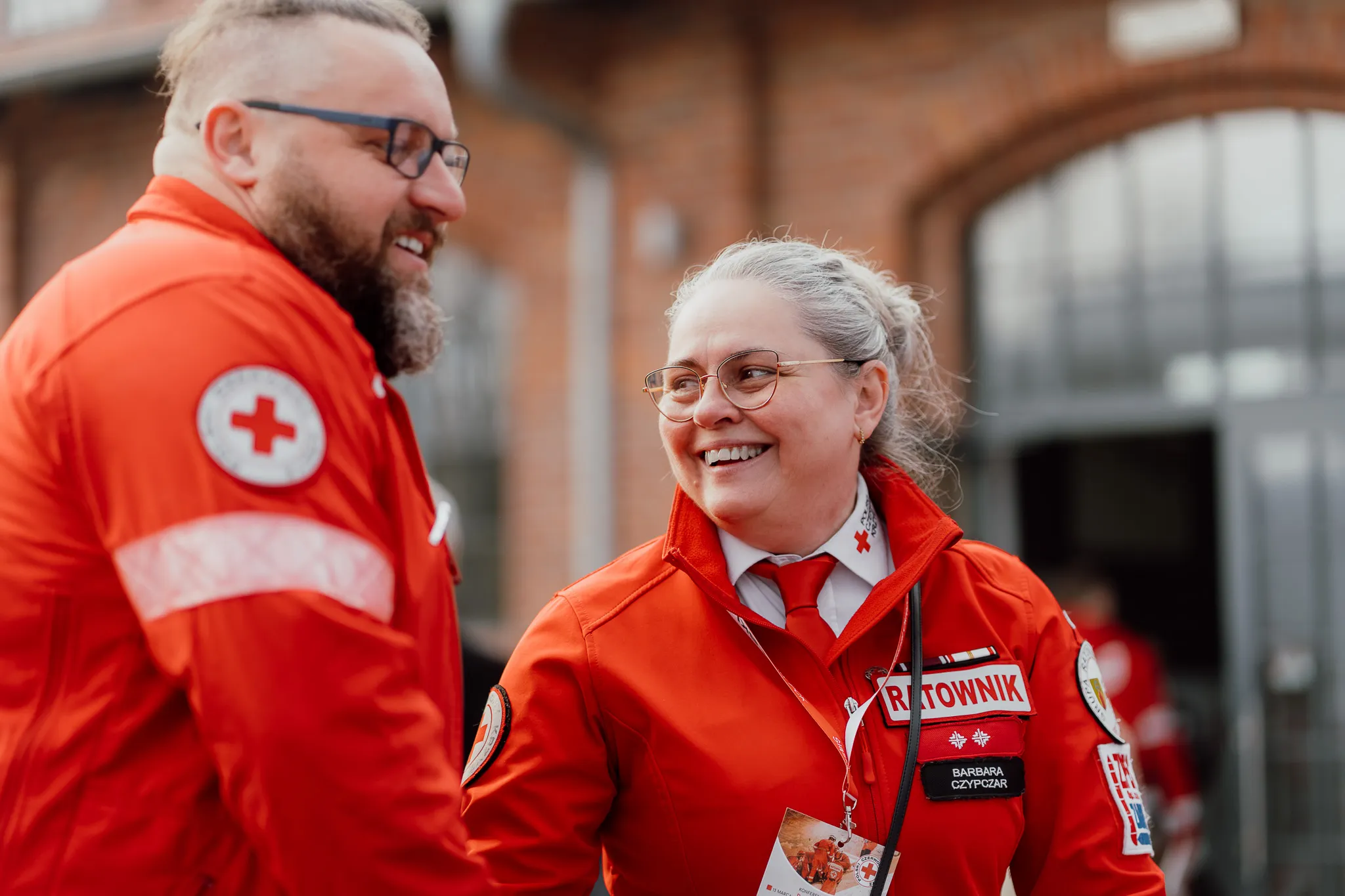
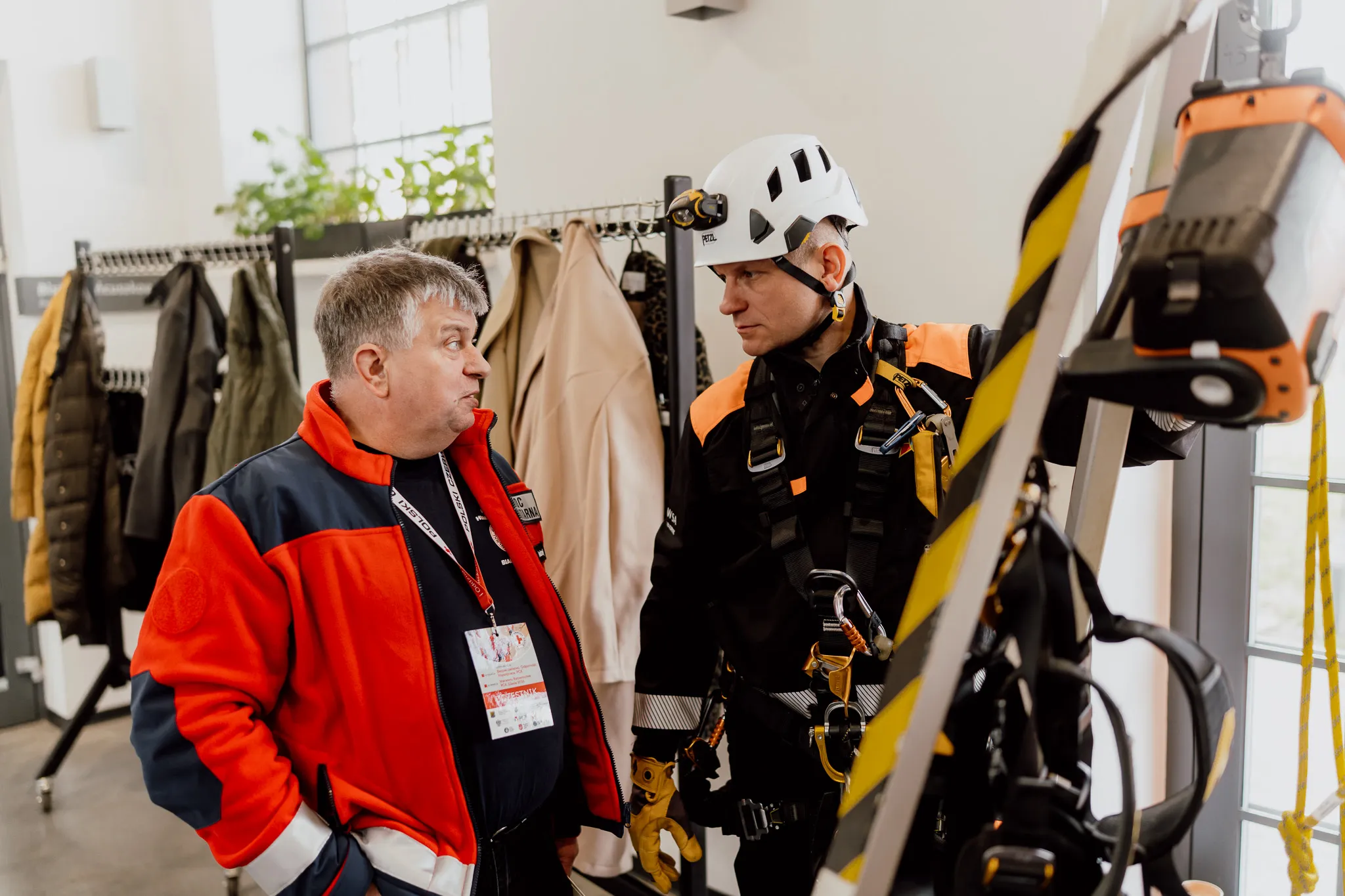
Several hundred rescuers and humanitarians from the Polish Red Cross from across the country participated in the National Rescue Exercises Silesia 2026 in Zabrze. The main part took place in the complex of Queen Louise – one of the most demanding and also the most unusual locations for this type of training.
Difficult scenarios and demanding conditions
The exercises began on March 13 with a night drill in Chorzów. The scenario involved the evacuation of a psychiatric hospital. Rescuers had to provide assistance to the injured and evacuate them from the building, while members of humanitarian aid teams created aid points. The challenge was to assist and provide psychological support to the demanding victims.

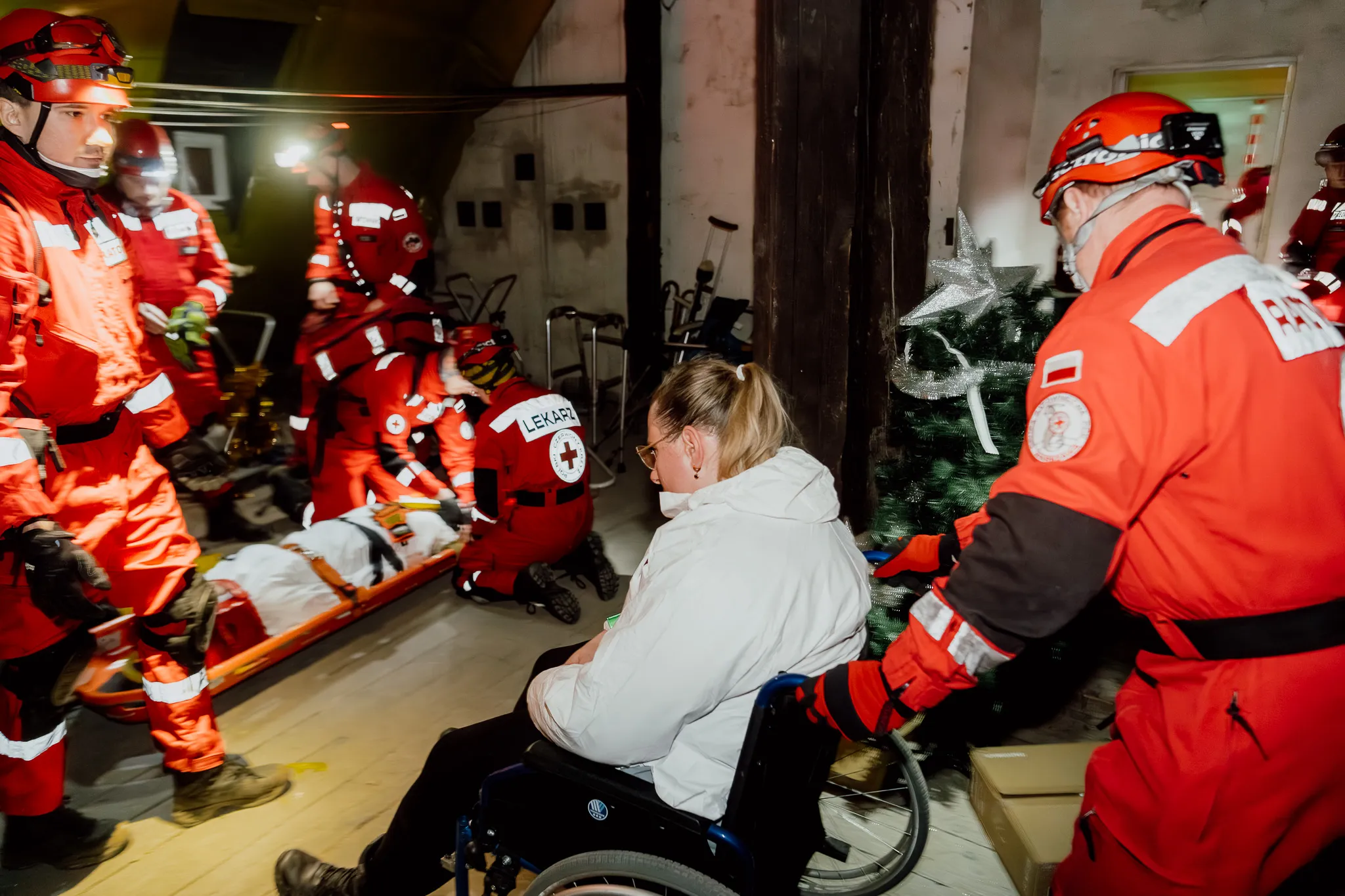
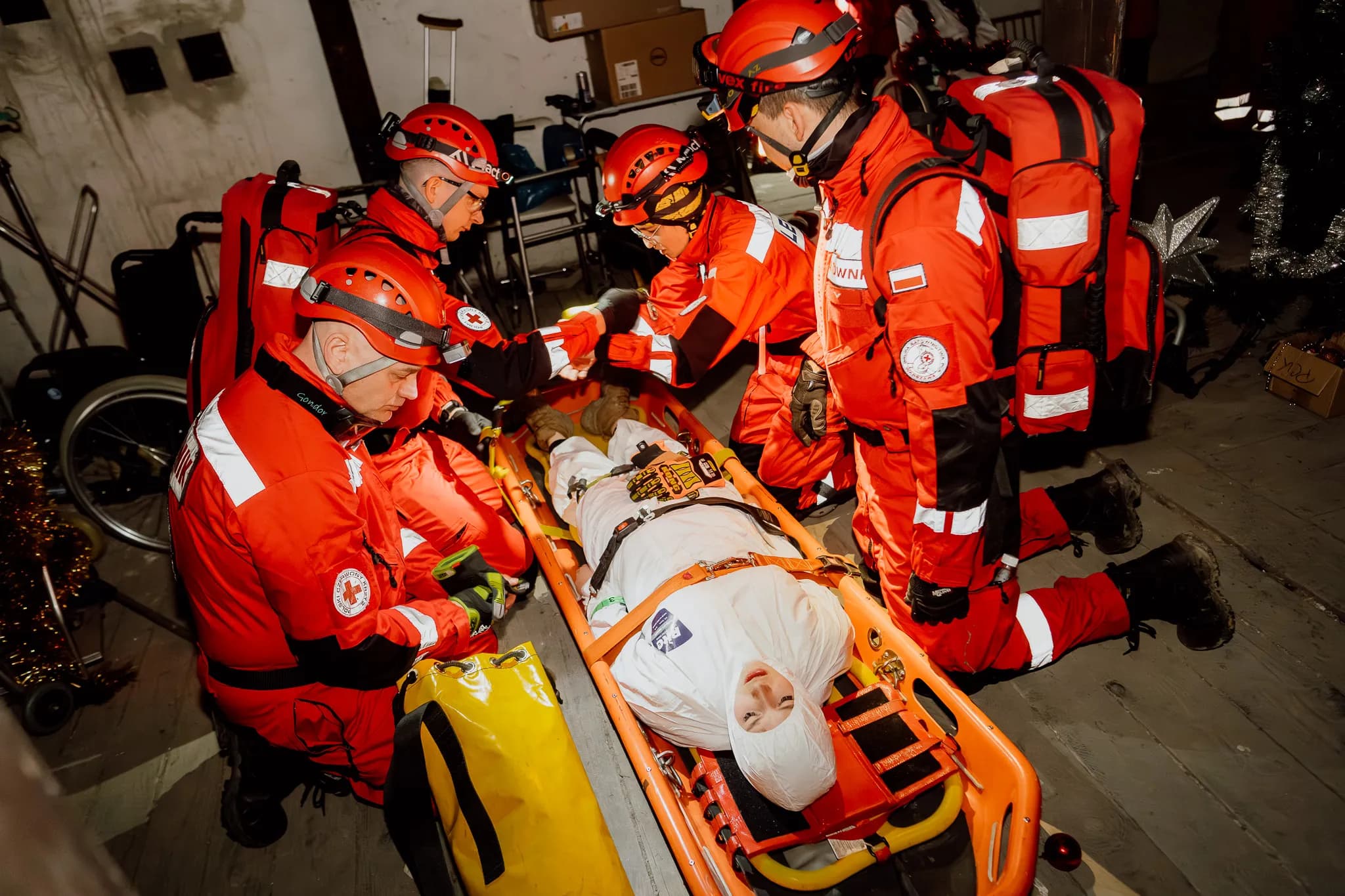
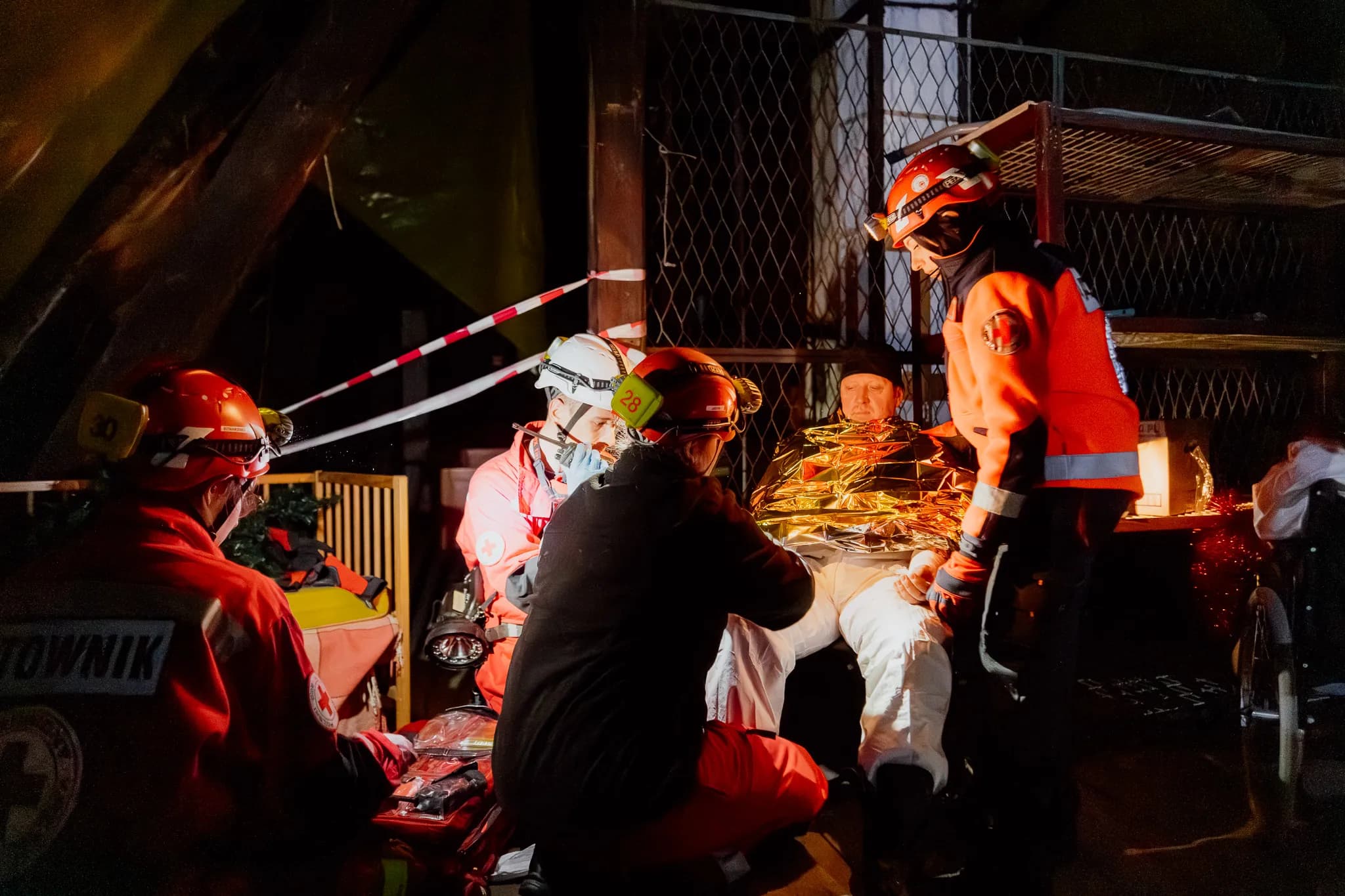
Exercises the next day included two exercise scenarios conducted at levels –5 and –40 of an inactive mine and in a military park. The post-industrial space, multi-level underground excavations, limited communication, narrow passages and the necessity for prolonged evacuation created realistic and demanding conditions for rescue operations. The scenarios included various injuries – from fractures and wounds to severe injuries, concussions, or eviscerations. Rescuers assisted both adults and children as well as foreigners, facing challenging terrain conditions and limited space.
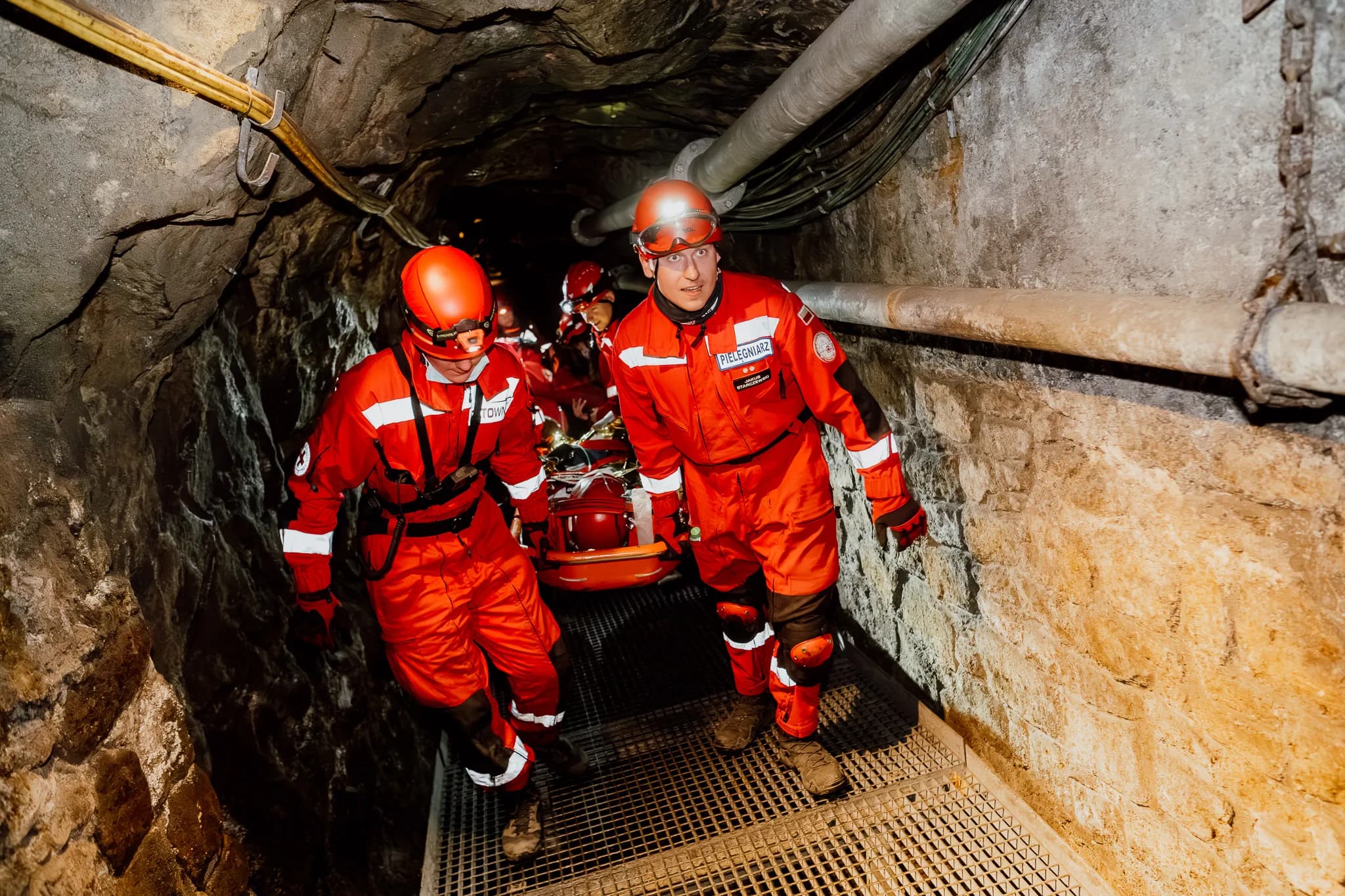
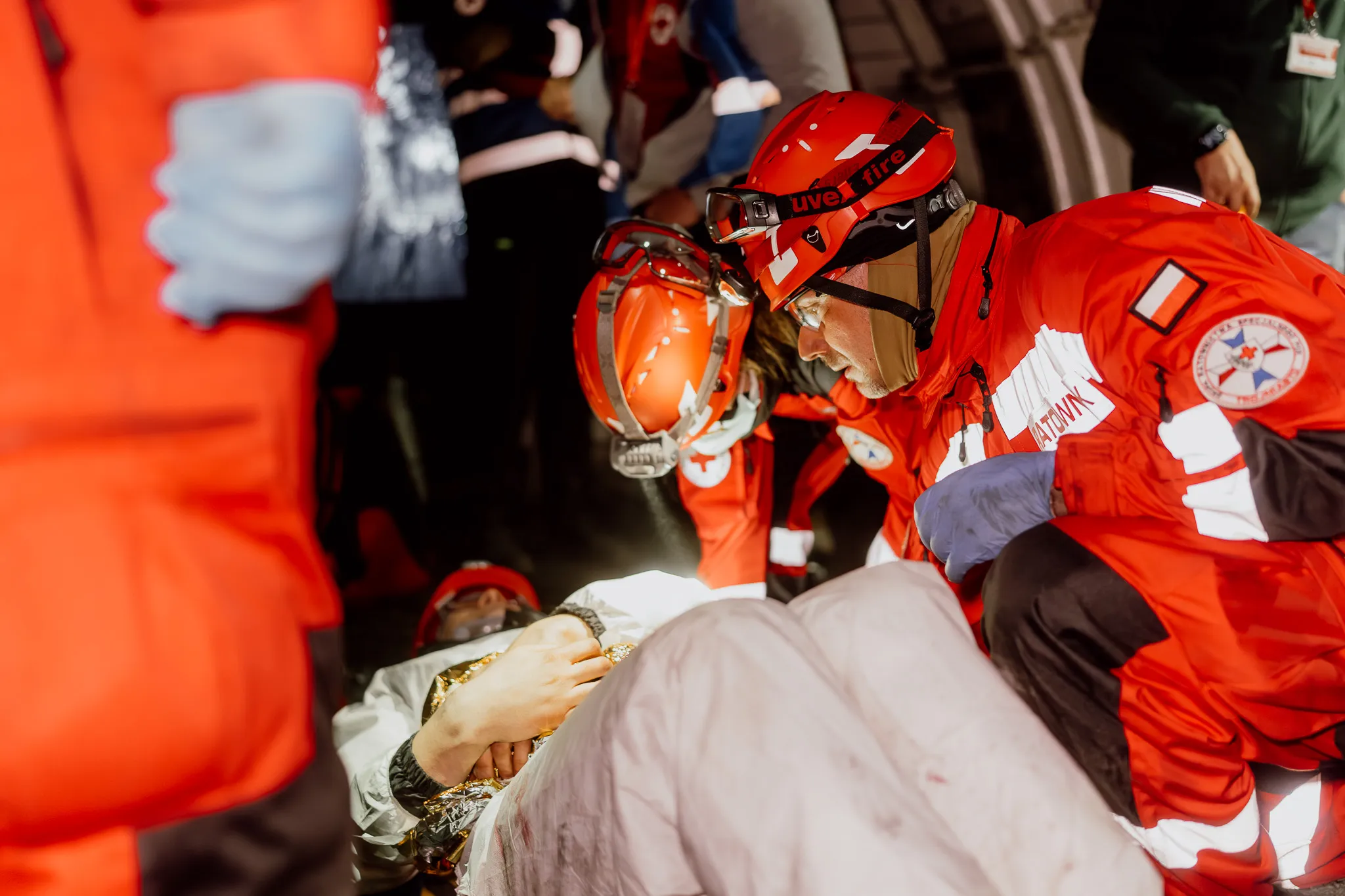
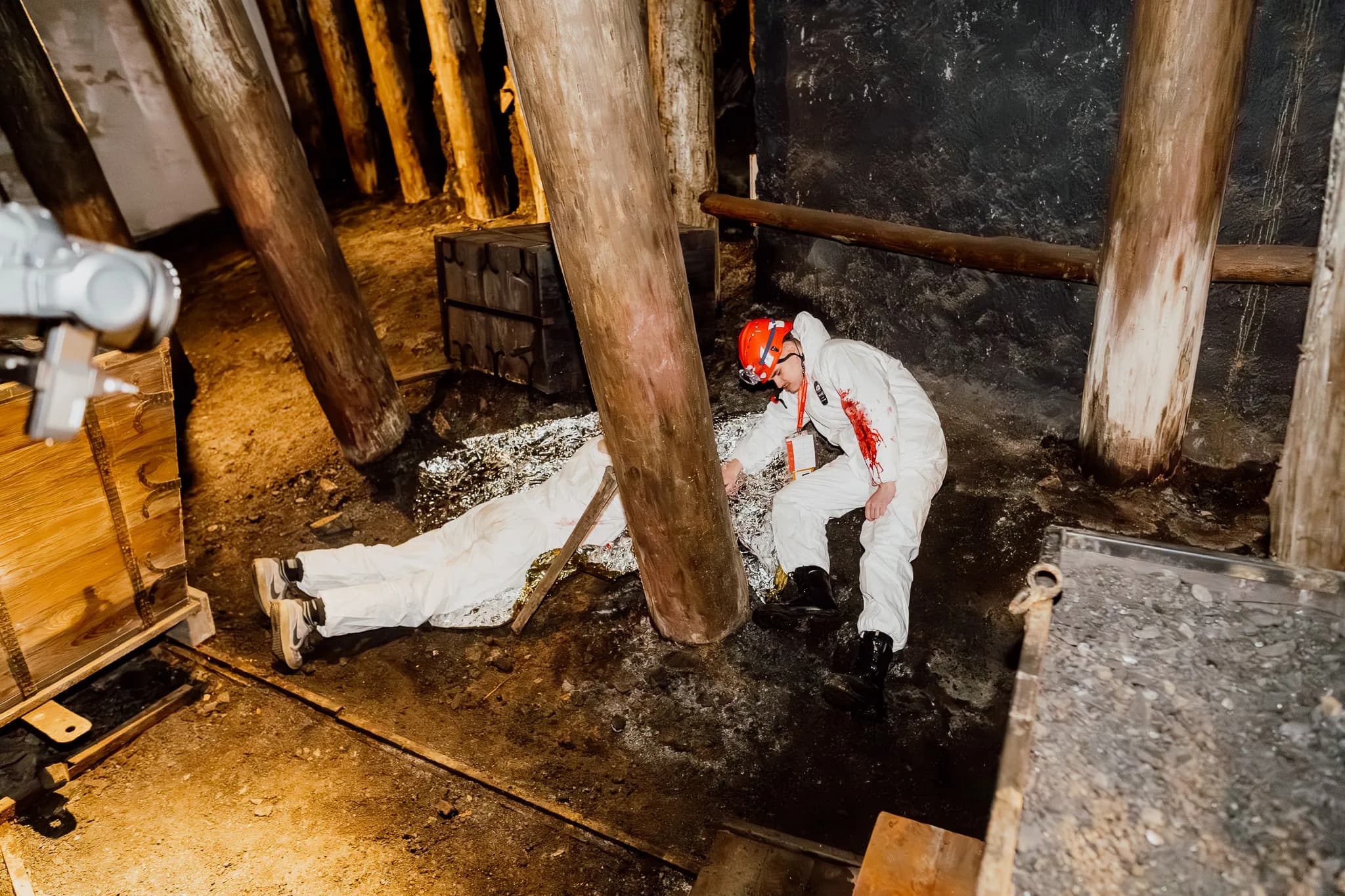


Such exercises are invaluable for the Polish Red Cross, as they build real readiness to act in crisis situations – not only technical knowledge and skills but also mental resilience, physical endurance, discipline, the ability to work under pressure, and effective coordination of actions in the field, where every mistake matters.
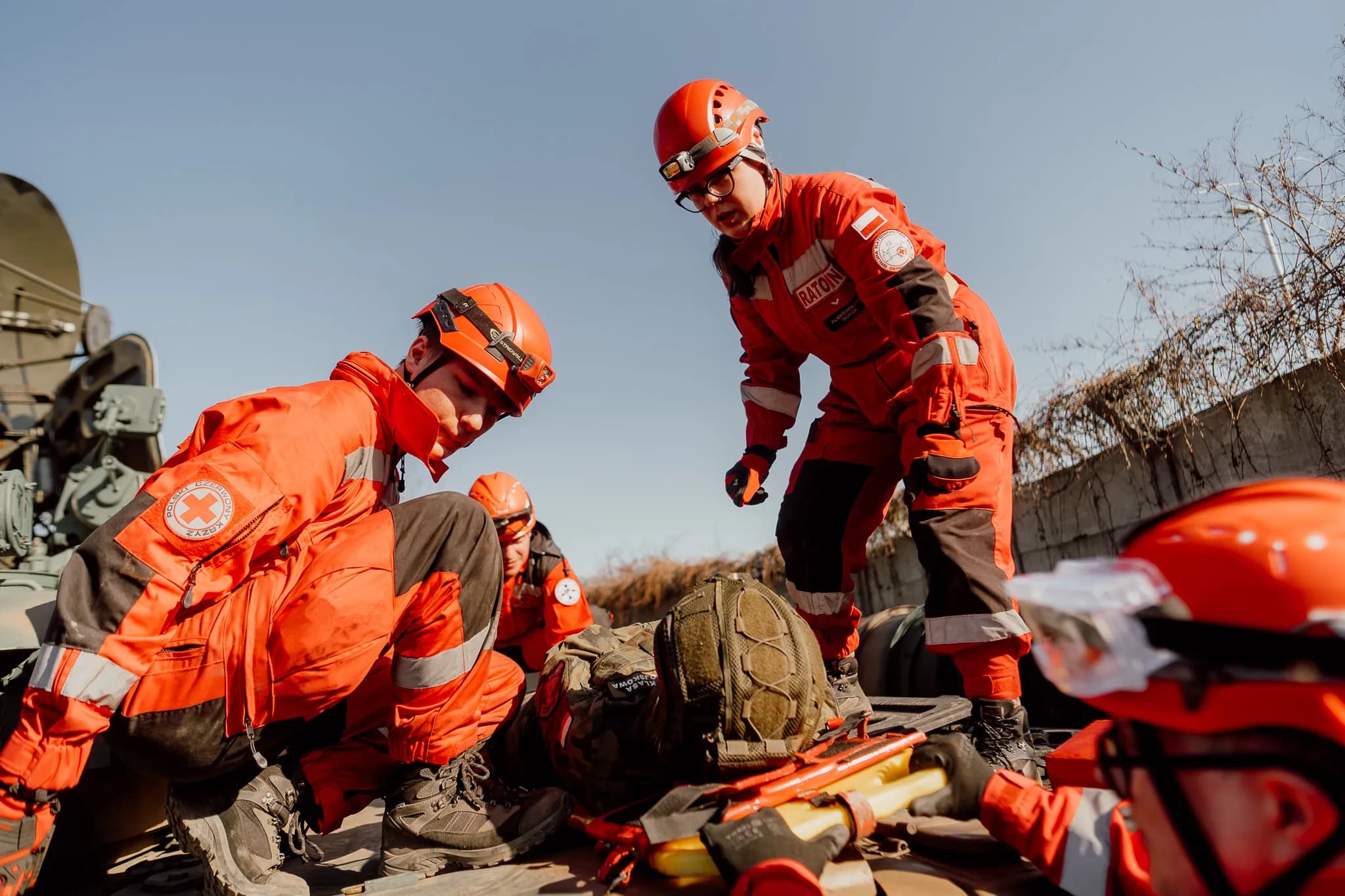
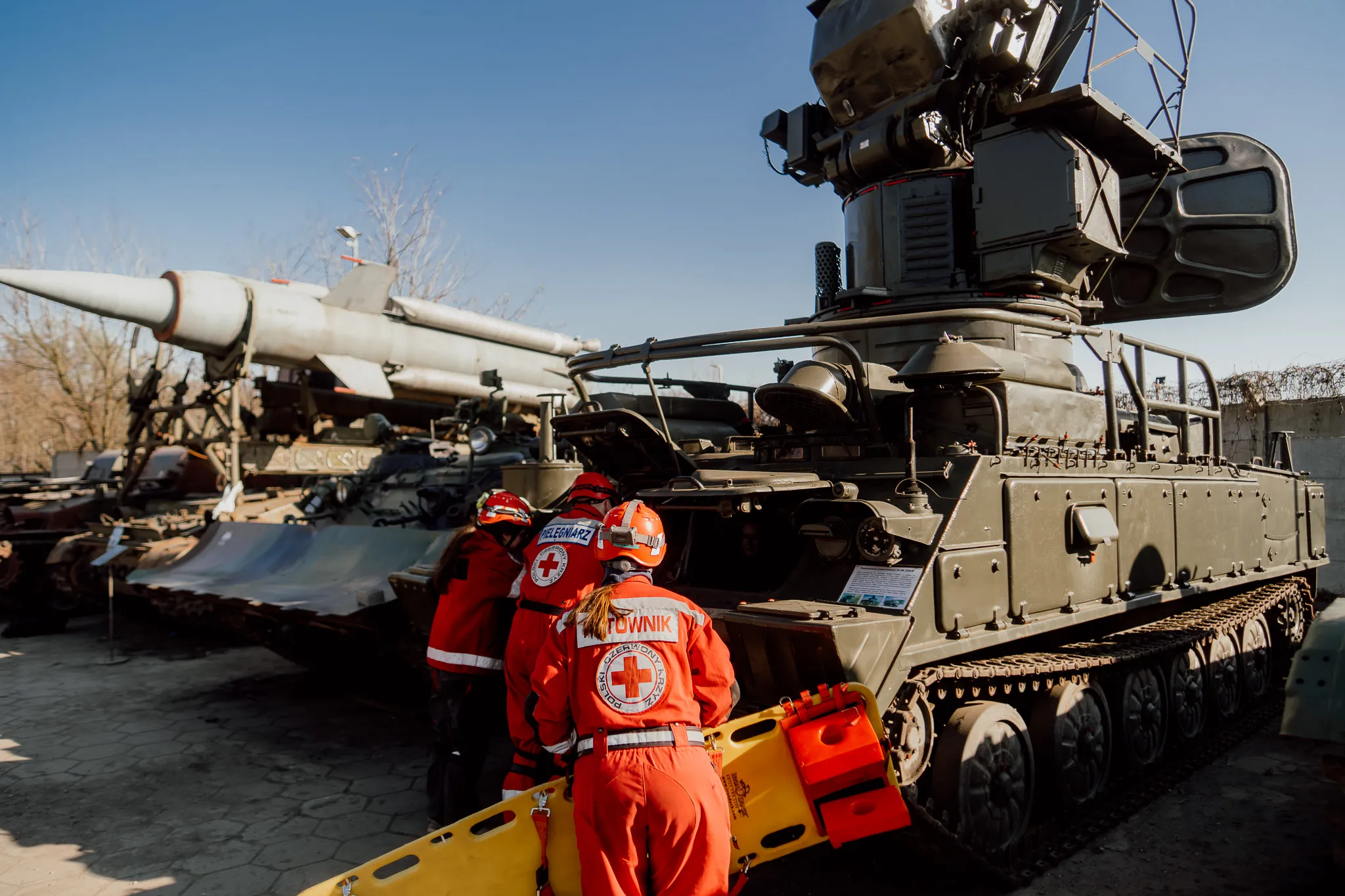
Part of the exercises also took place in the military park. The tasks set for rescuers there included evacuating injured persons under very limited time constraints from exceptionally tight parts of vehicles, including military vehicles.



Cooperation is key to effective response
The SILESIA 2026 exercises once again demonstrated the significant role of cooperation among different teams and competencies. In real crises, help does not end at reaching the victim and evacuating them. Equally important are the logistics of actions, the organization of safe zones, psychological support, and the ability to sustain long-term activity in a demanding environment.
Therefore, an important element of the exercises was perfecting the cooperationof Rescue Groups and Humanitarian Aid Groups of the Polish Red Cross.. Such synchronizing of competencies allows the organization to respond comprehensively during natural disasters, technical disasters, or humanitarian crises, supporting public administration and rescue services – including the National Fire Service.
Conference on safety and social resilience
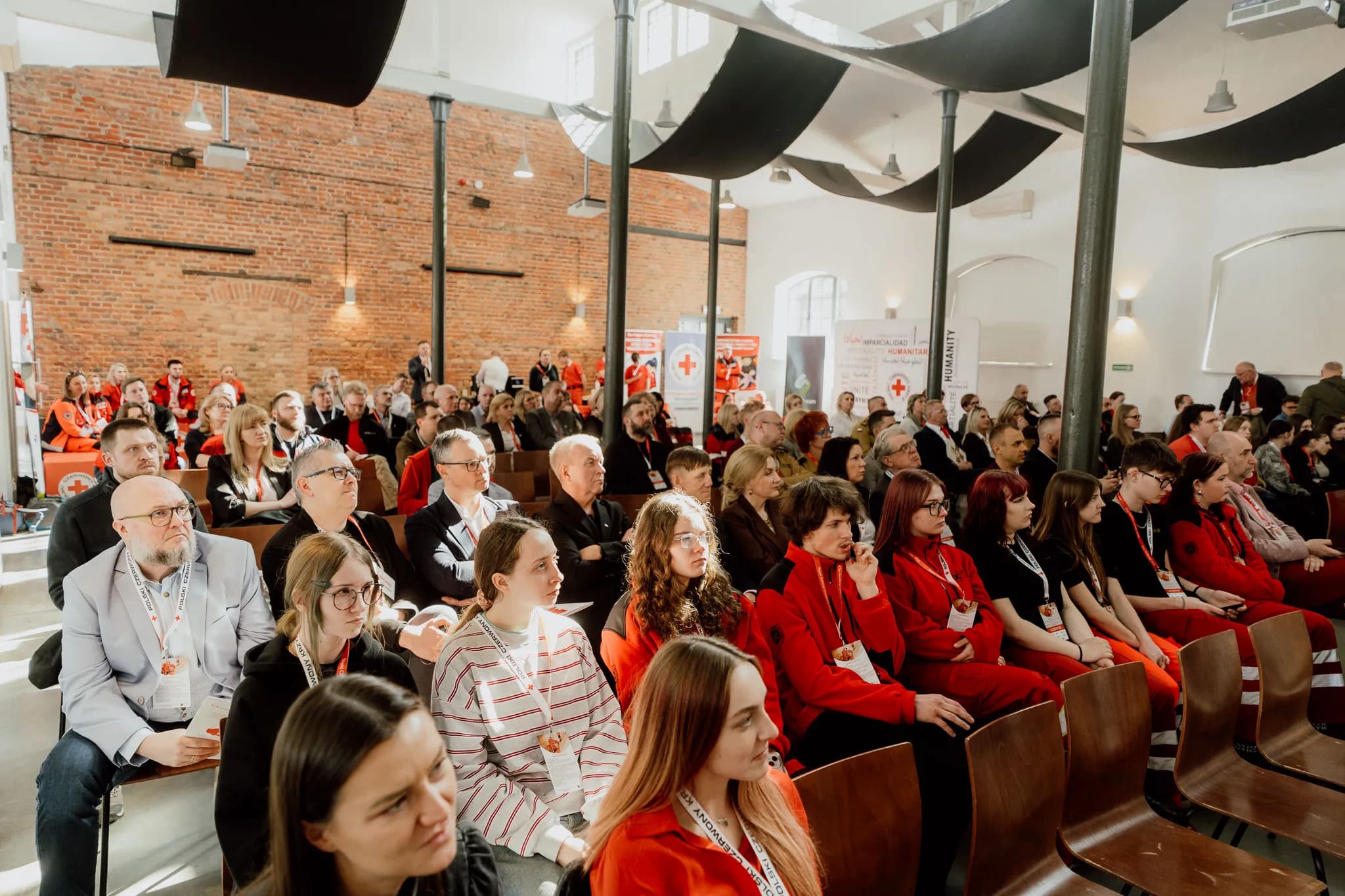
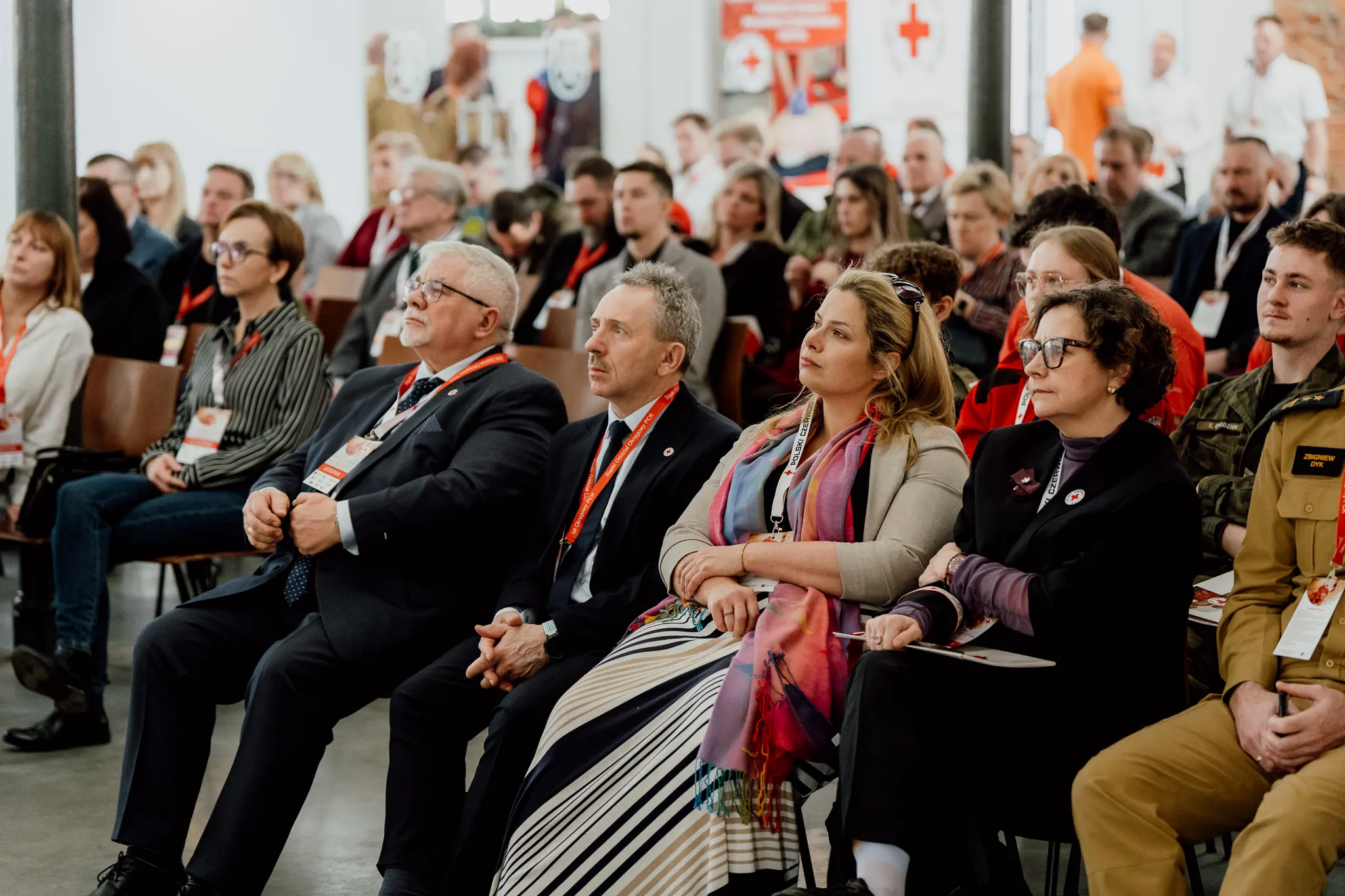
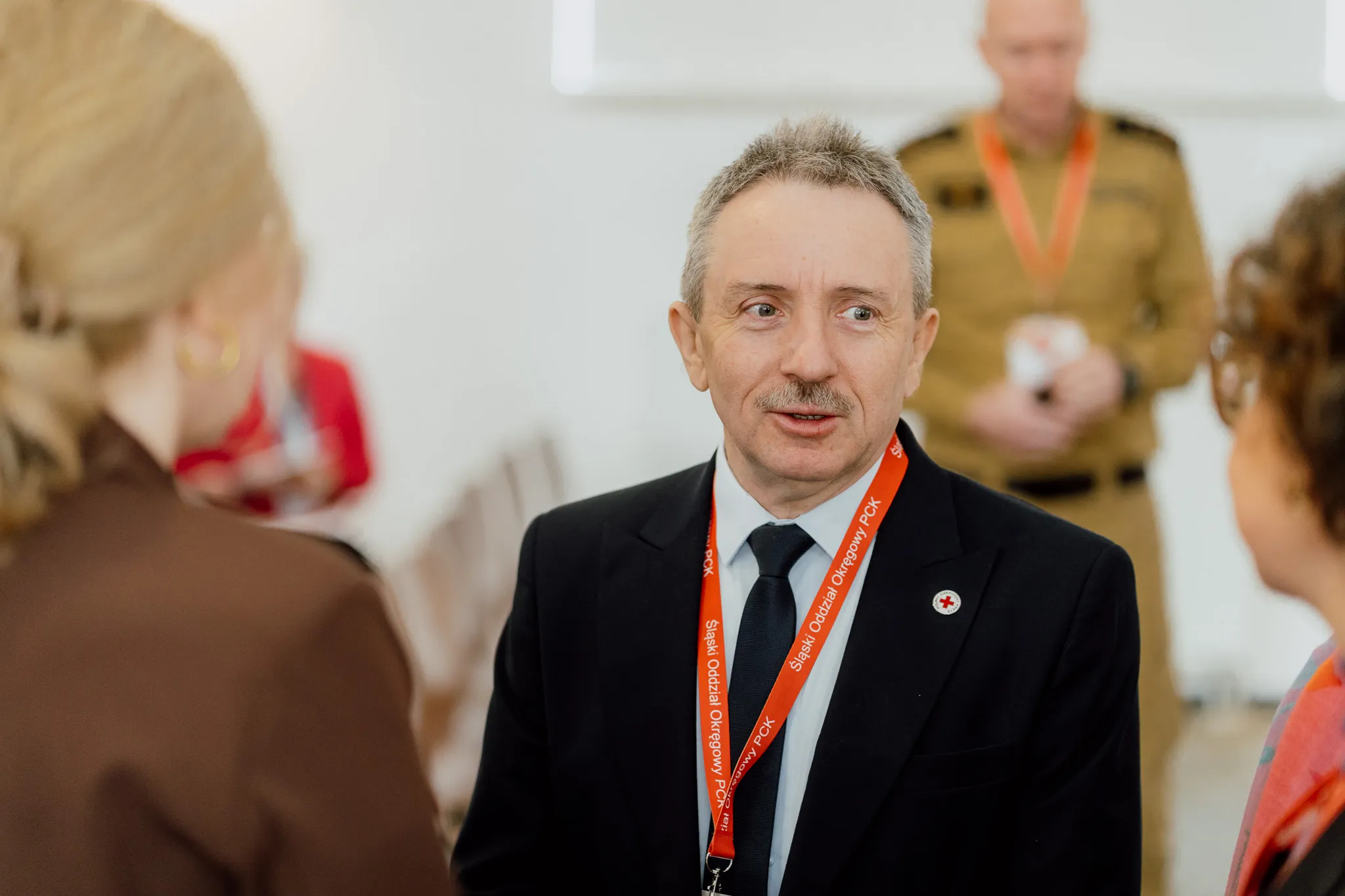
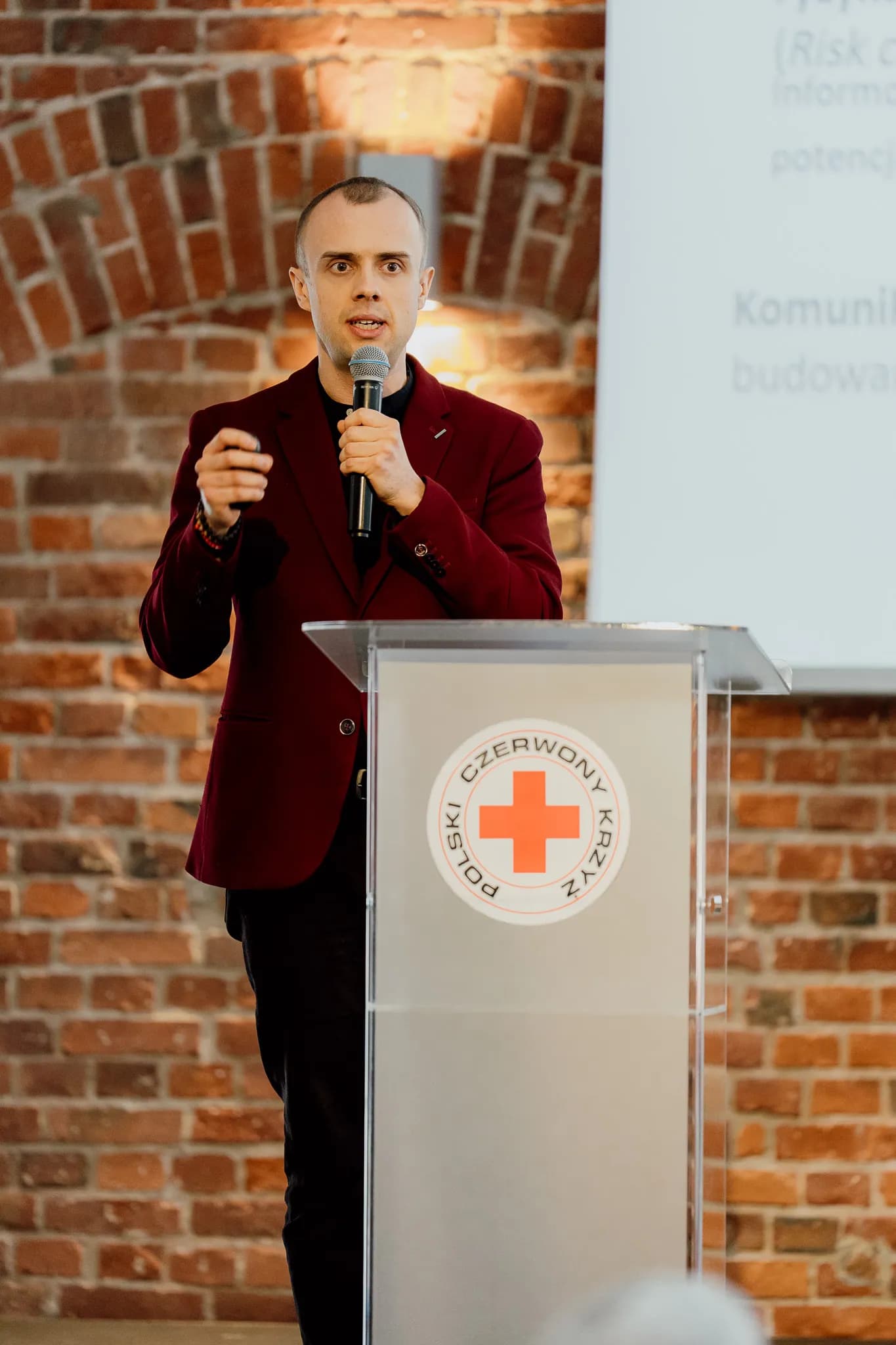
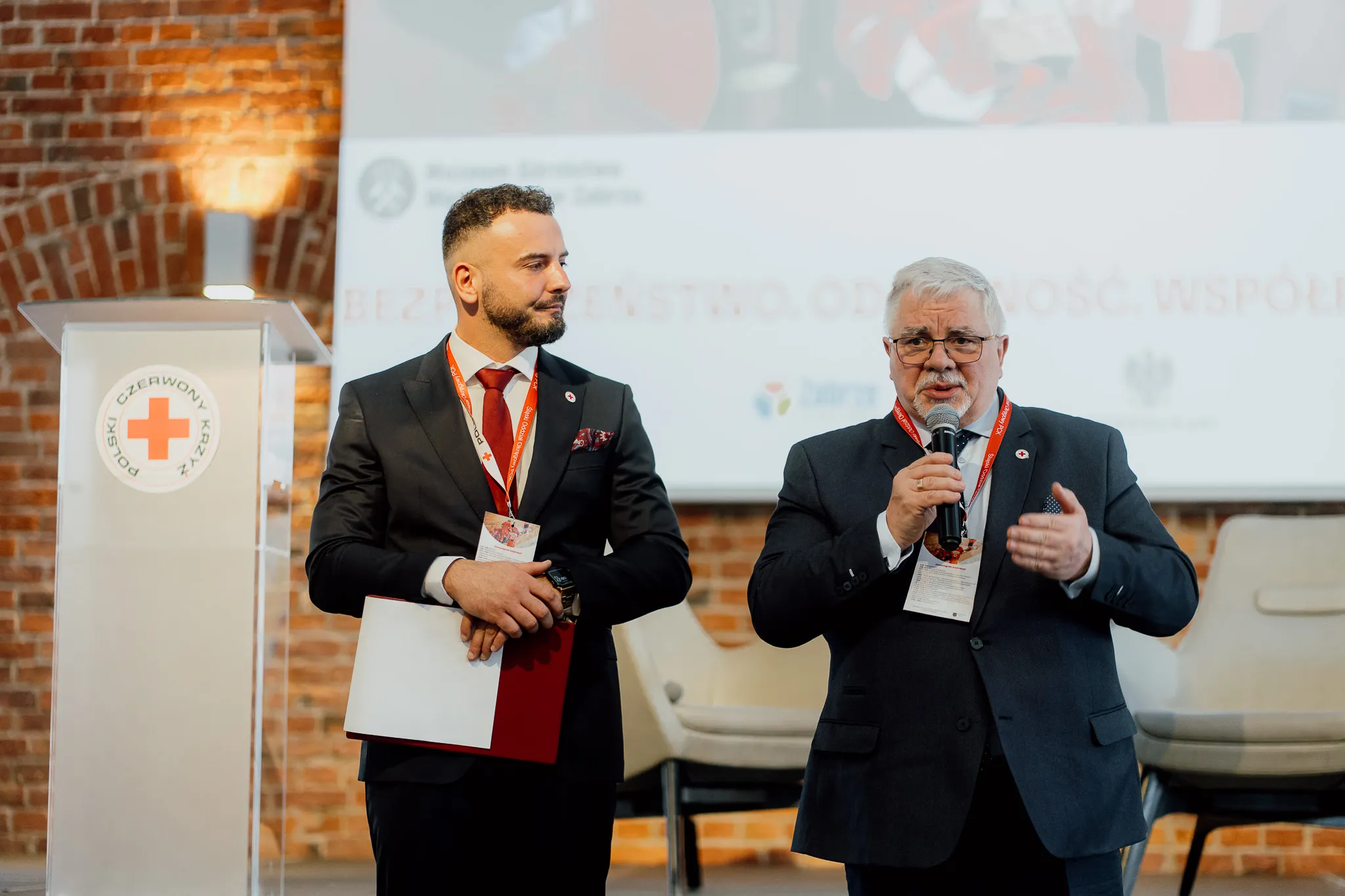
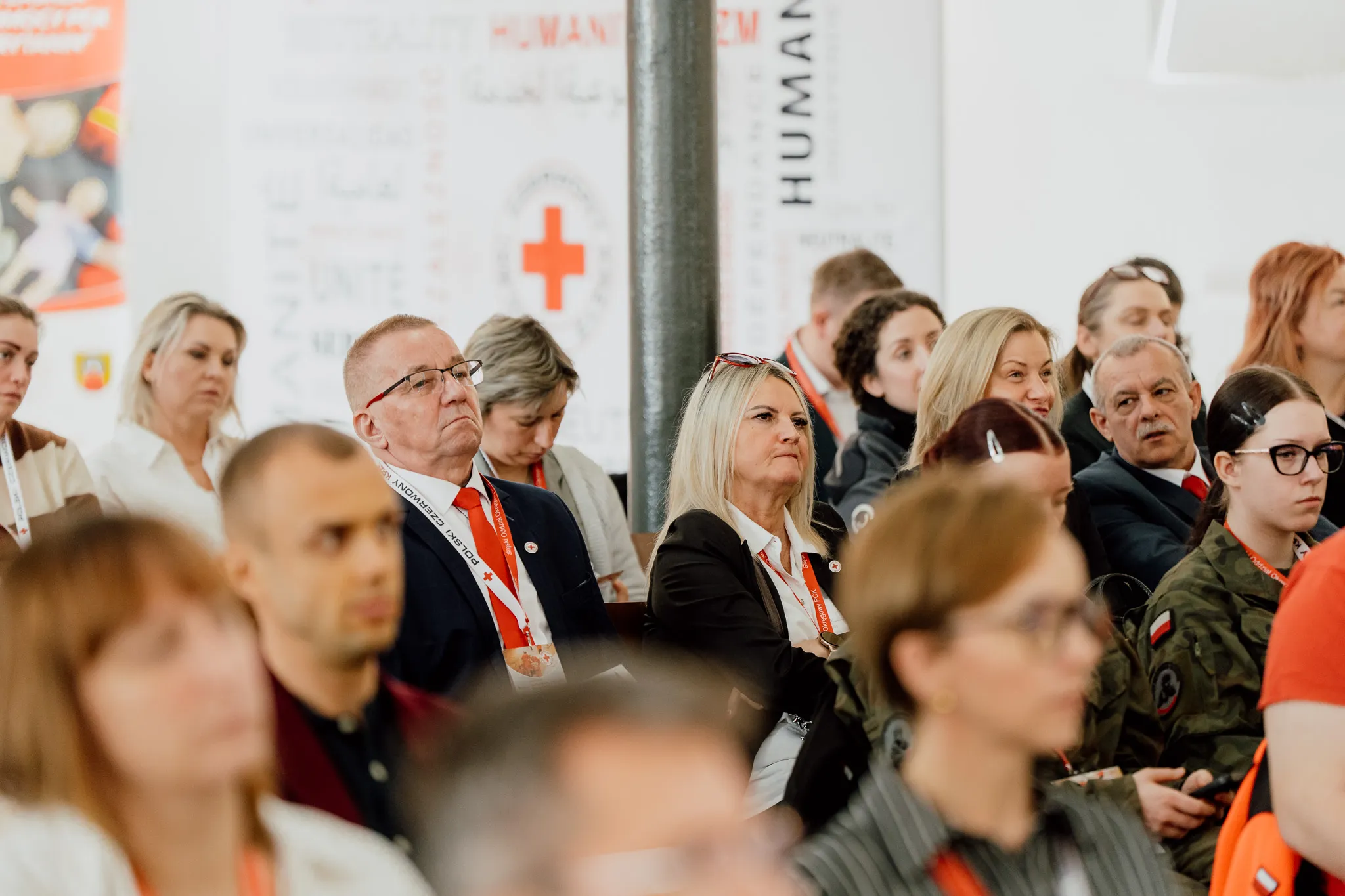
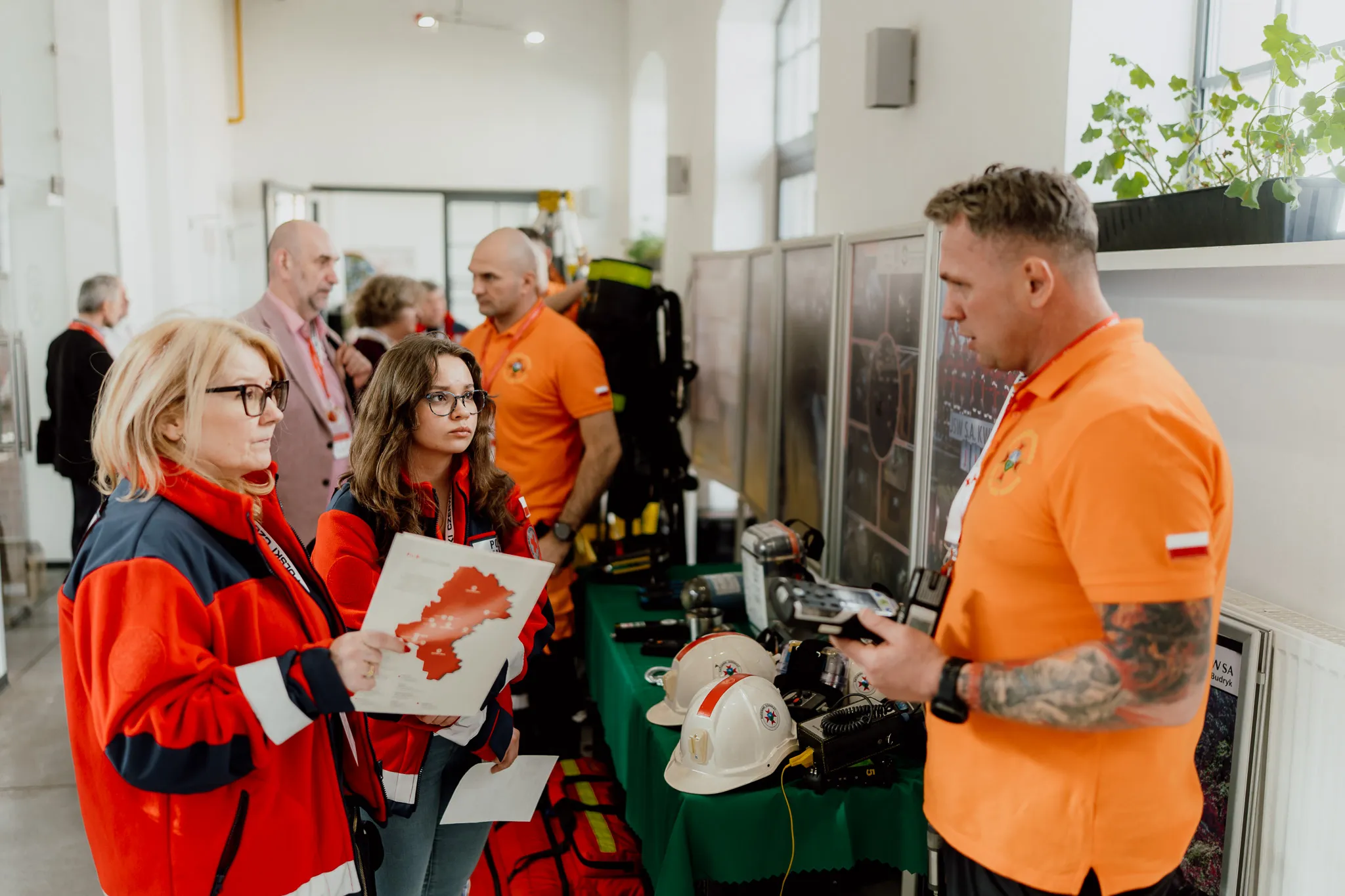
The national maneuvers were preceded by a conference“Safety. Resilience. Cooperation. PCK”, which gathered representatives from the scientific community, humanitarian organizations, and practitioners of rescue operations.
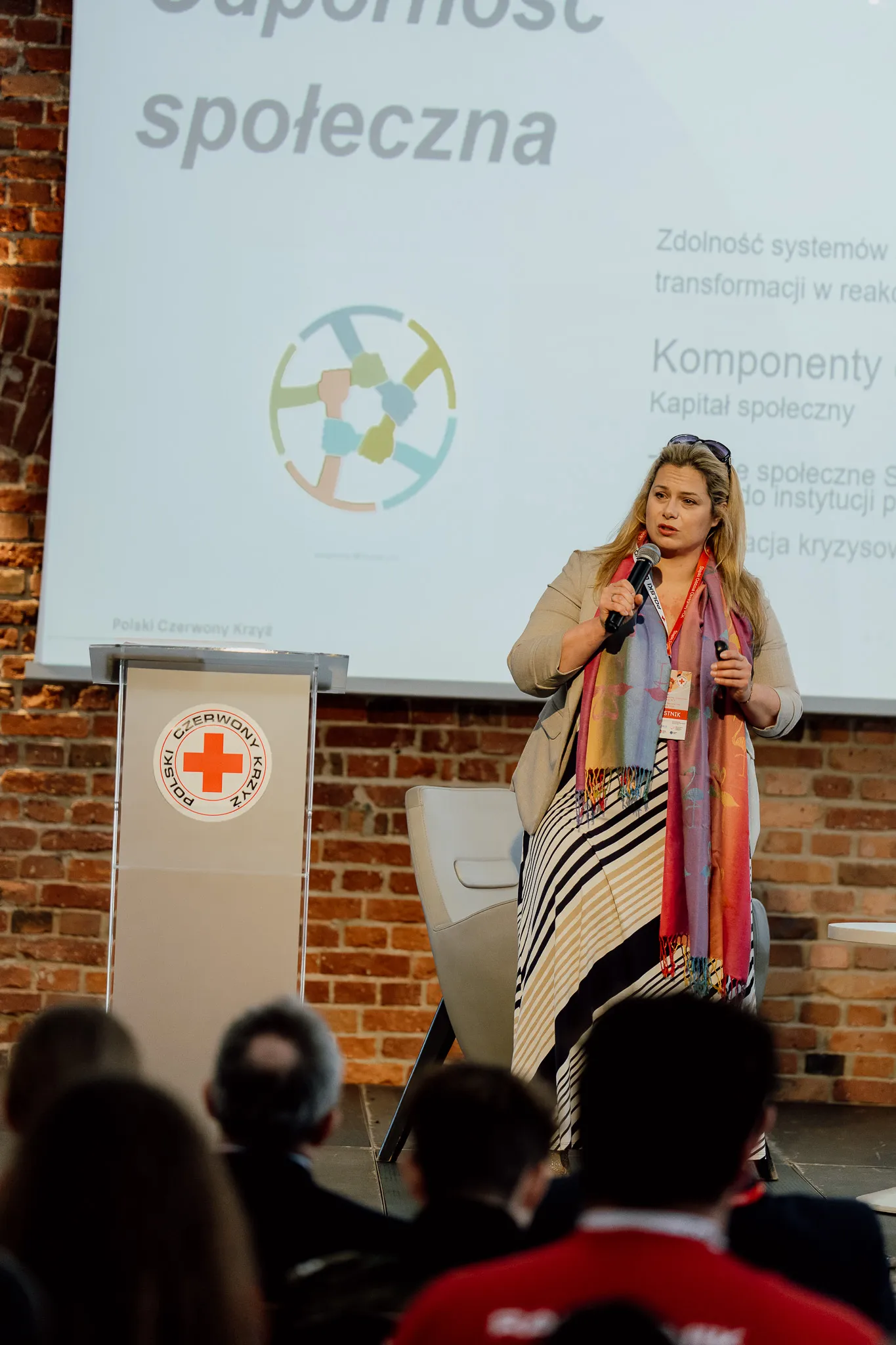
During the meeting, experts discussed the challenges related to building social resilience to crises, leadership in emergency situations, and effective risk communication.
Cooperation between state bodies and non-governmental organizations not only provides a sense of agency. By cooperating, we can achieve much more, much faster, and much better
Dr. hab. professor UE Katarzyna Bilińska from the University of Economics in Katowice spoke about leadership in crisis situations, Agata Gajos from the Polish Red Cross addressed the topic of psychological resilience of individuals and communities, while Dr. Waldemar Sobera from the Silesian University presented challenges related to risk communication and building social resilience.
Meanwhile, Wiktor Rybicki from the foundation In the meantime pointed out the psychological and social foundations of a state's resilience under conflict conditions, emphasizing the importance of volunteer work. The series of presentations was concluded by Marcin Gałkiewicz from the Silesian Medical University, who focused on first aid issues and so-called extended first aid.
Each of us contributes a brick to this wall that can protect us


Knowledge, training, and cooperation
Both the conference and the SILESIA 2026 exercises demonstrated that effective response in crisis situations is based on knowledge, practical training, and cooperation among various environments.
The Polish Red Cross continuously develops these competencies to be prepared to provide assistance during natural disasters, technical disasters, and humanitarian crises, supporting society and public institutions across the country.
Return
See also
Mar
05
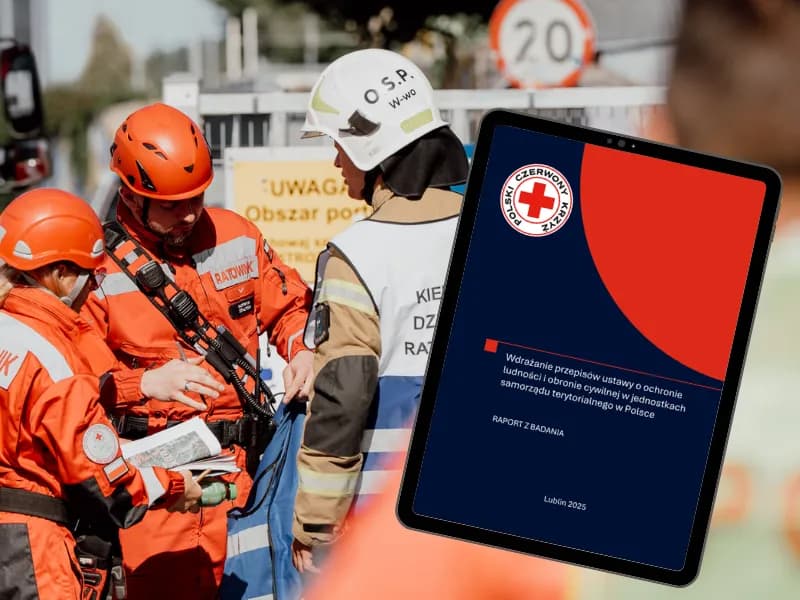
Local governments are not ready for a crisis – findings from the latest think tank report of the Polish Red Cross
More than 75% of municipalities and 60% of counties in Poland are uncertain about their readiness to respond to crisis situations, while 22.1% of municipal offices and 21% of county administrations openly admit a lack of preparedness – according to the Polish Red Cross think tank report "Implementation of the Population Protection and Civil Defence Act in local government units in Poland".
Mar
06
armed conflicts
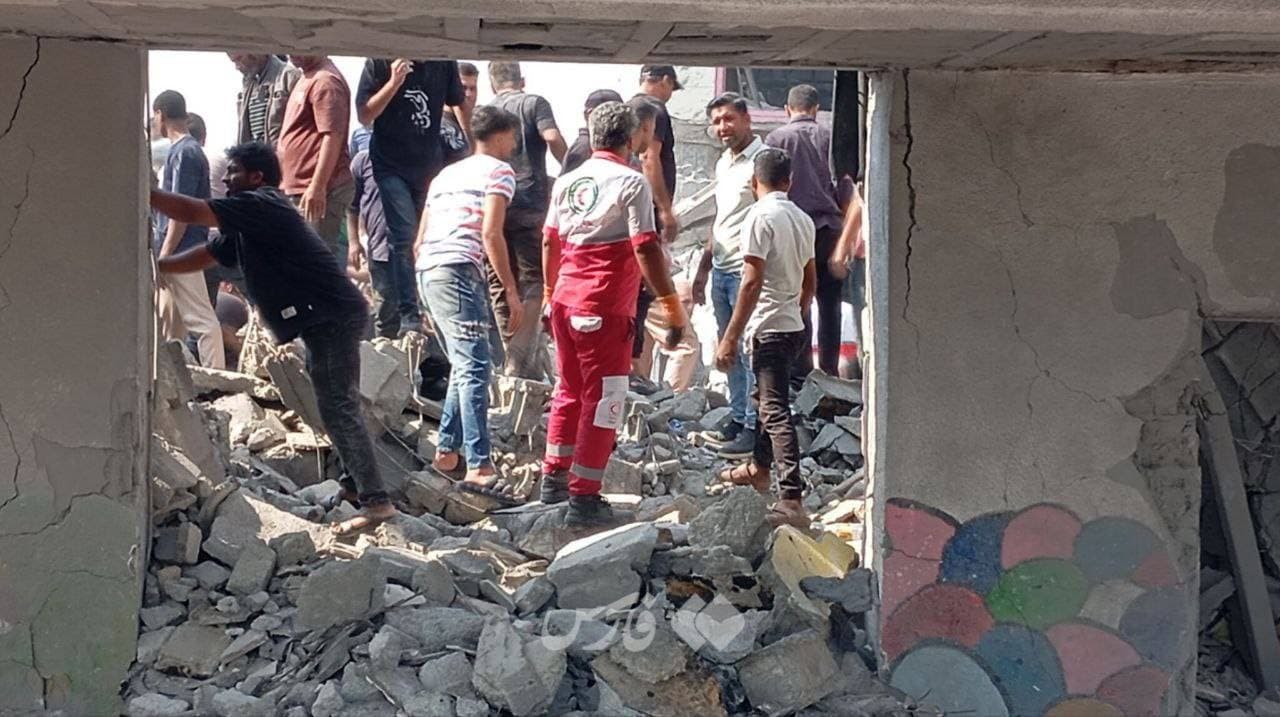
Escalating violence in the Middle East. We appeal for help.
The humanitarian situation in the Middle East is rapidly deteriorating. In many countries in the region, the number of victims, injured, and people forced to flee their homes is rising. The Red Cross and Red Crescent Movement is increasing its aid efforts, and the Polish Red Cross is appealing for support for those affected.
Mar
02
humanitarian law, armed conflicts
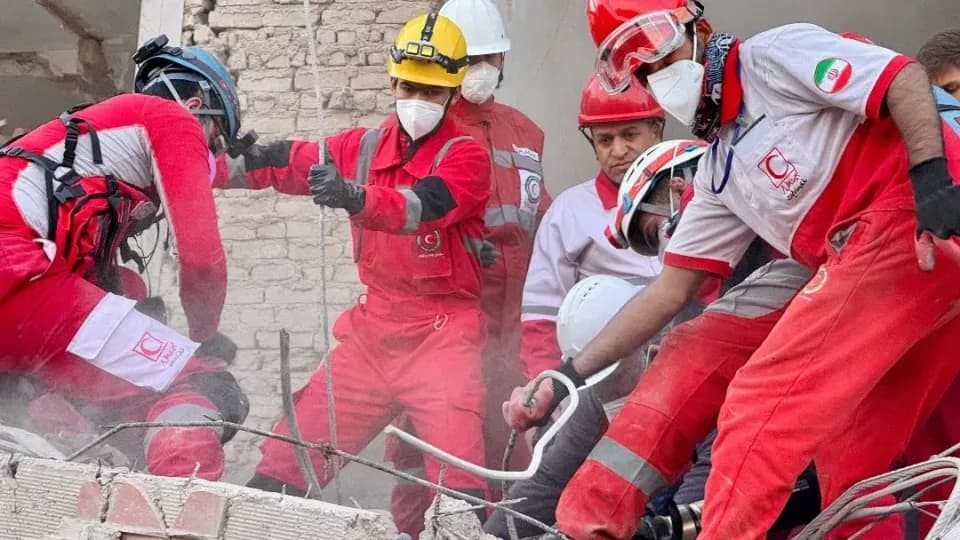
Iranian Red Crescent calls for respect of international humanitarian law
Statement by the President of the Iranian Red Crescent following the attack of 27 February 2026 on the territory of the Islamic Republic of Iran, in which civilians were killed and injured.
Feb
06
Website sponsored by home.pl

You are currently viewing a page filtered by content from the department. Cała PolskaIf you want to view content from Cała Polskaclick the button