We protect astronauts, but what about the victims of disasters? The "Earth's Missing Treaty" campaign

date
8 October 2026
category
International treaties protect astronauts in situations of danger – as many as 98 countries have declared their assistance if people in space are in danger. However, if your city is hit by a flood, fire, or another disaster, there is no global agreement to help deal with bureaucracy and coordinate international aid. Meanwhile, over 100 million people suffer from various types of disasters on Earth every year.
This issue is highlighted by the campaign of the International Federation of Red Cross and Red Crescent Societies (IFRC) called "Earth’s Missing Treaty." It calls for the adoption of a treaty to protect people in the event of disasters, which UN member states have agreed to negotiate and which would be the first comprehensive, global agreement dedicated to protecting people before, during, and after disasters.
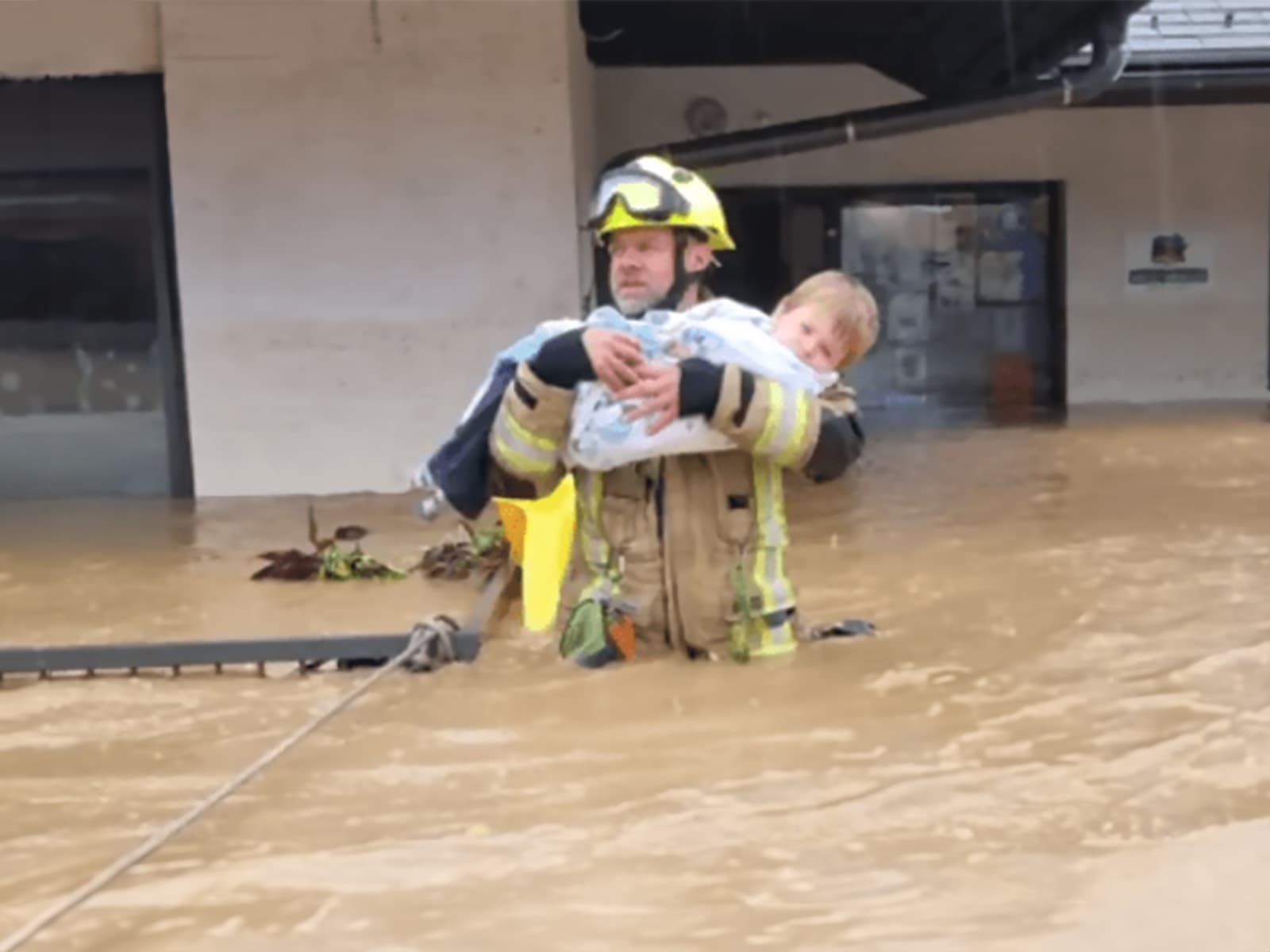
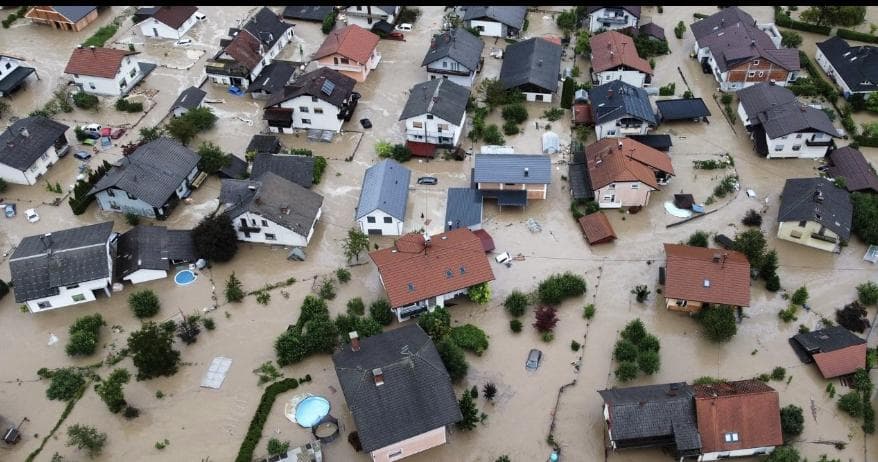
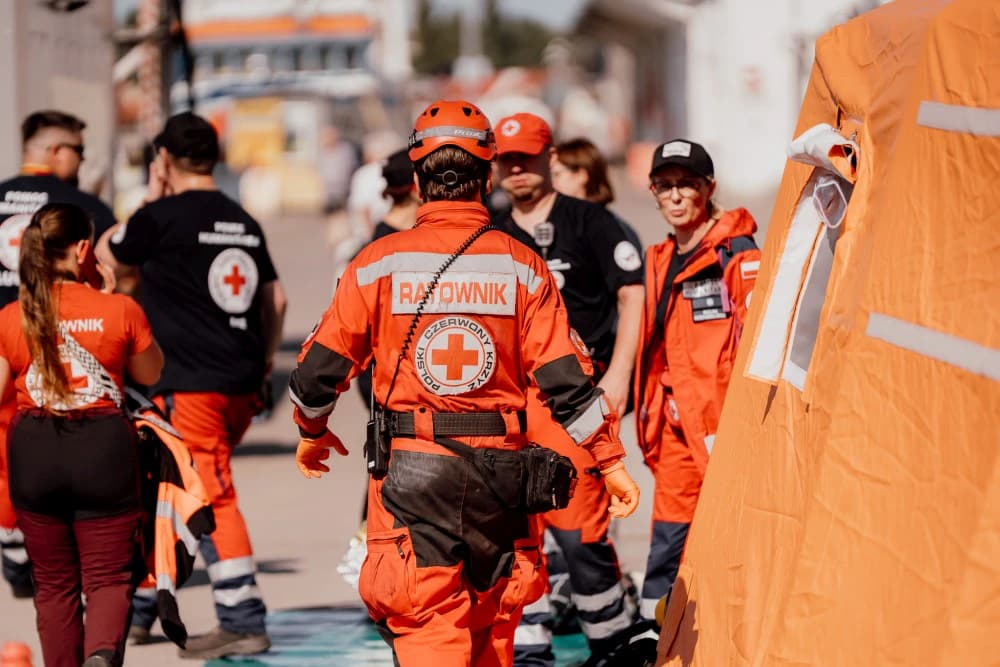
The topic is not far from Polish experiences. The flood that struck southwest Poland in September 2024 showed how quickly a local crisis can turn into a situation requiring the mobilization of large resources, many teams, and cooperation between various entities. Not only the Rescue Groups and Humanitarian Aid Groups of the Polish Red Cross operated on the ground, but help also flowed from abroad, including from the German Red Cross.
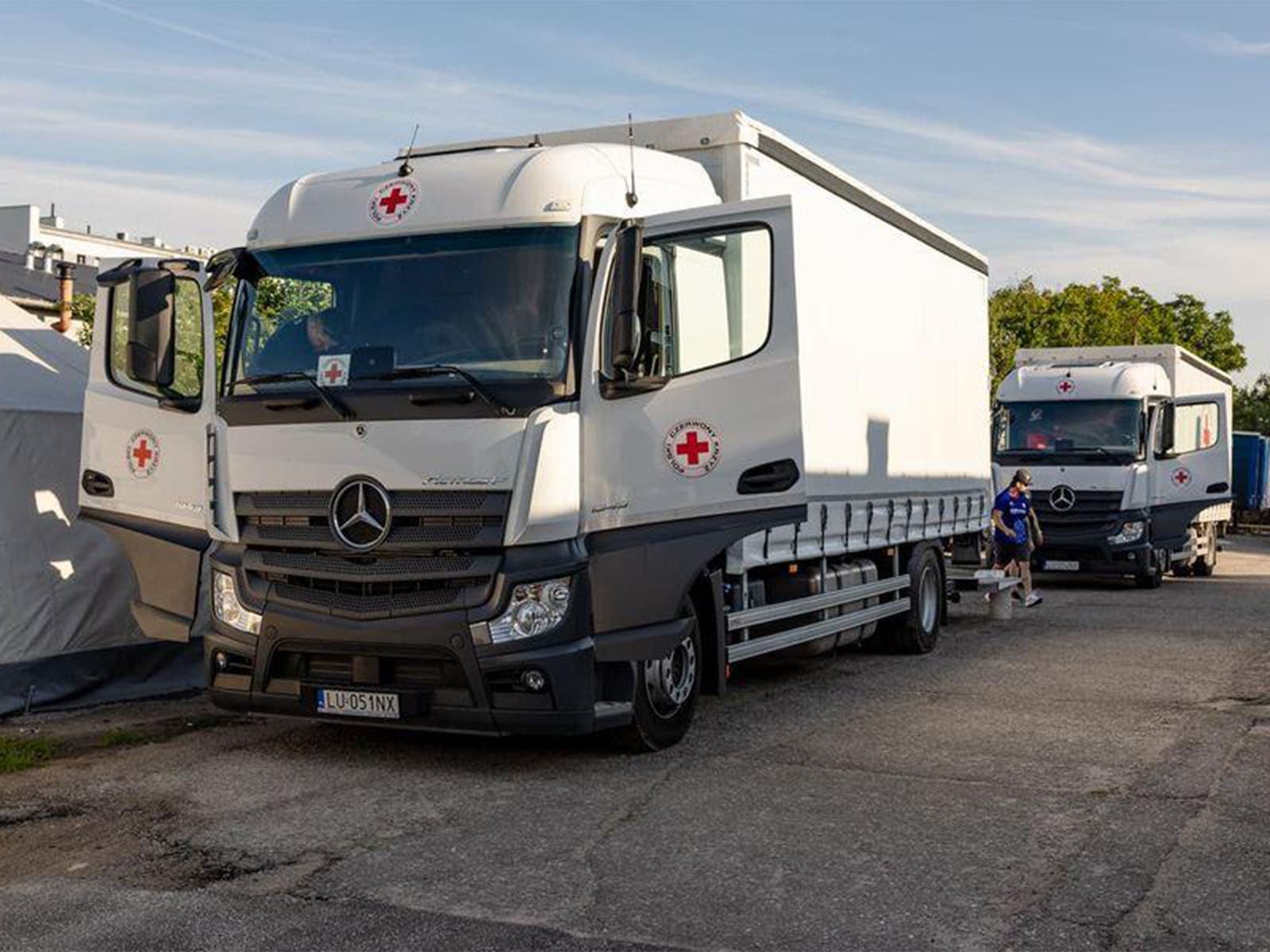
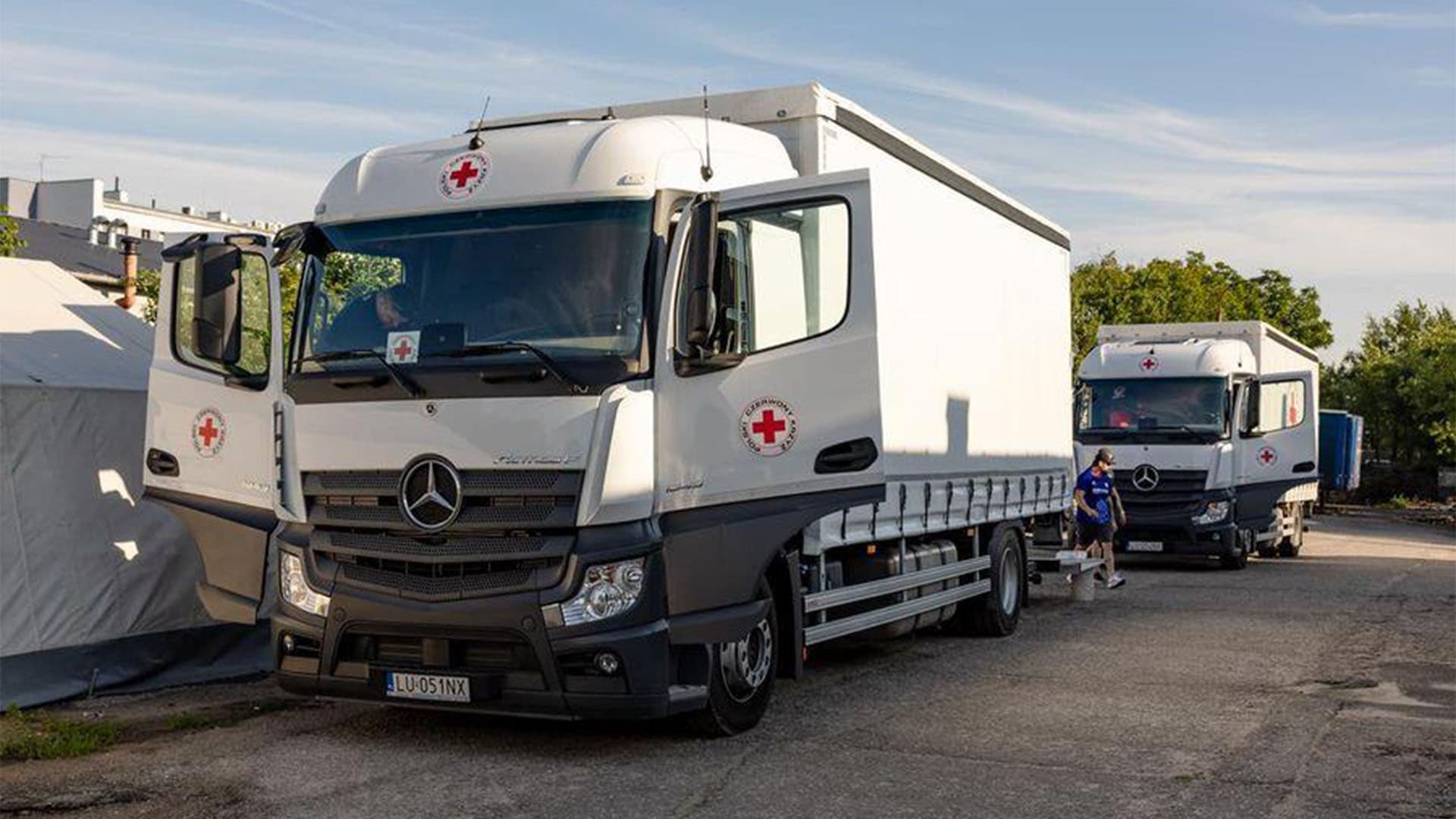
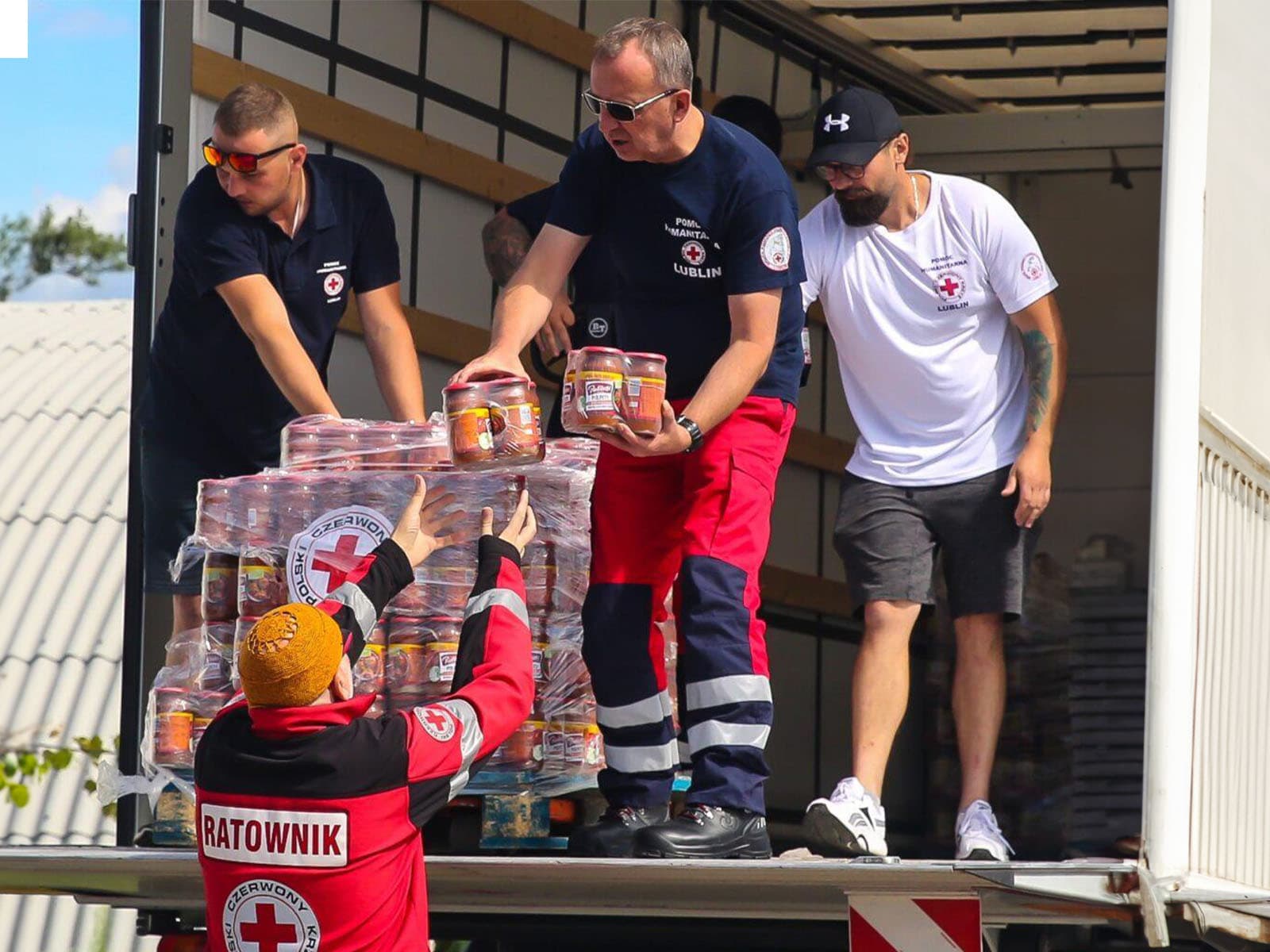
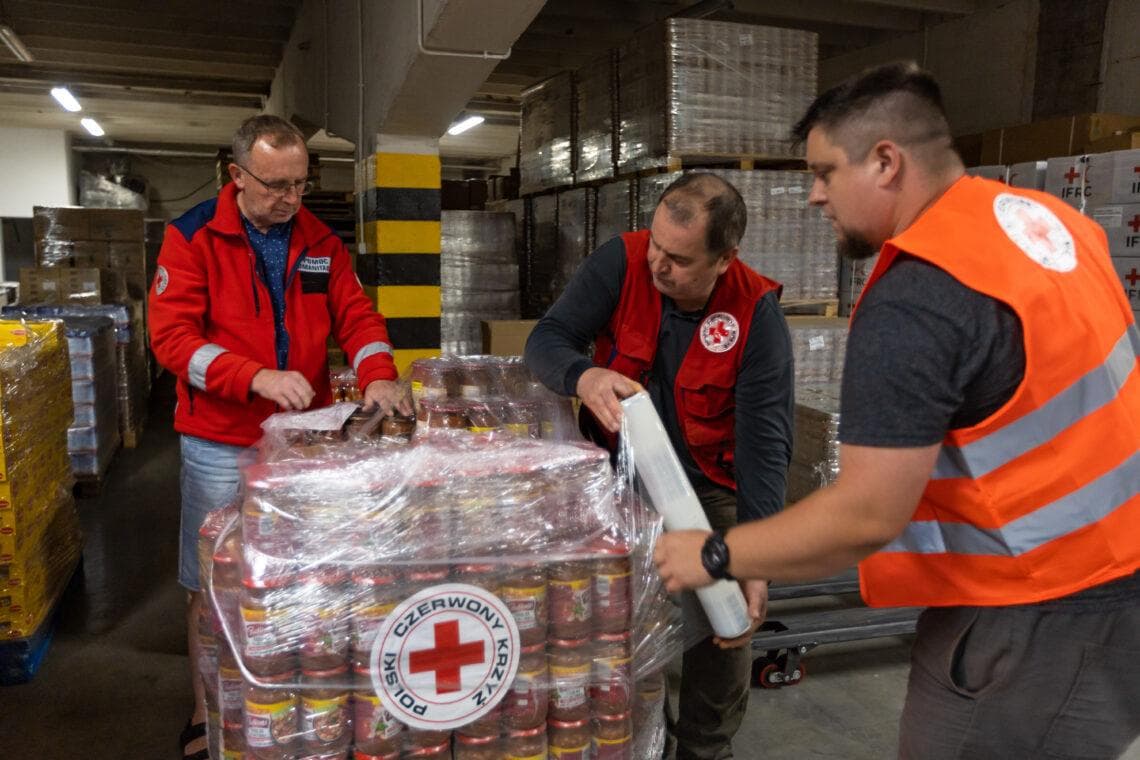
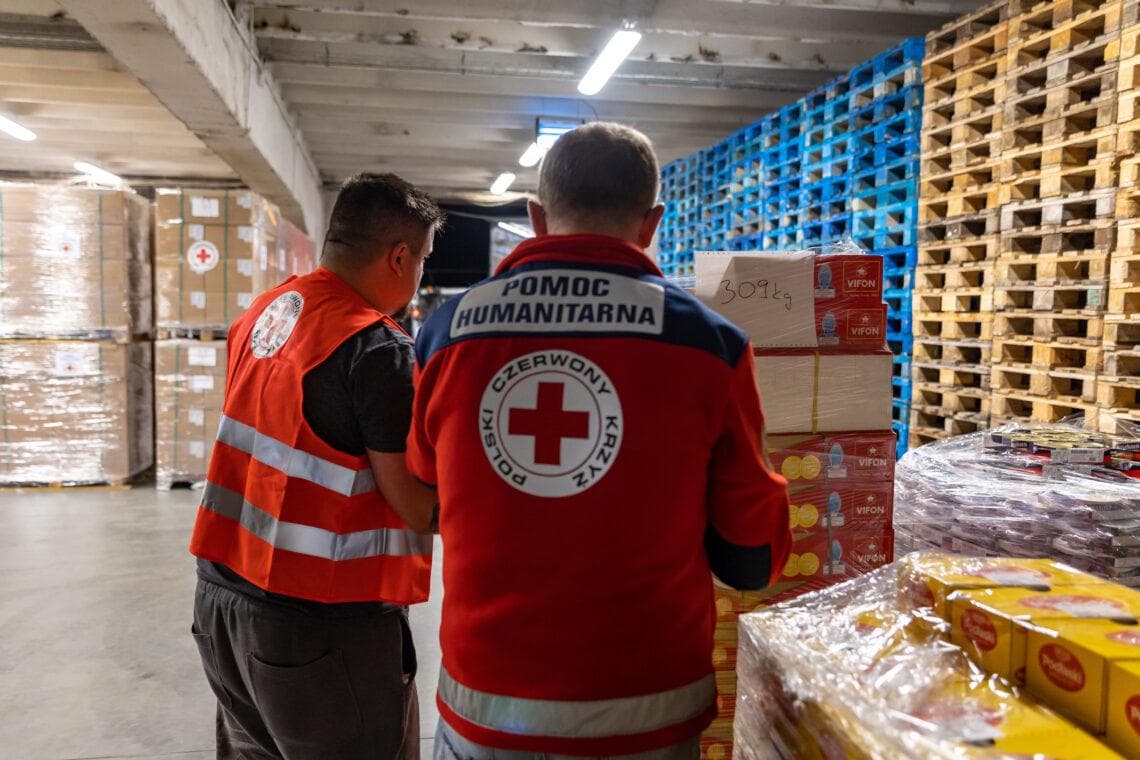
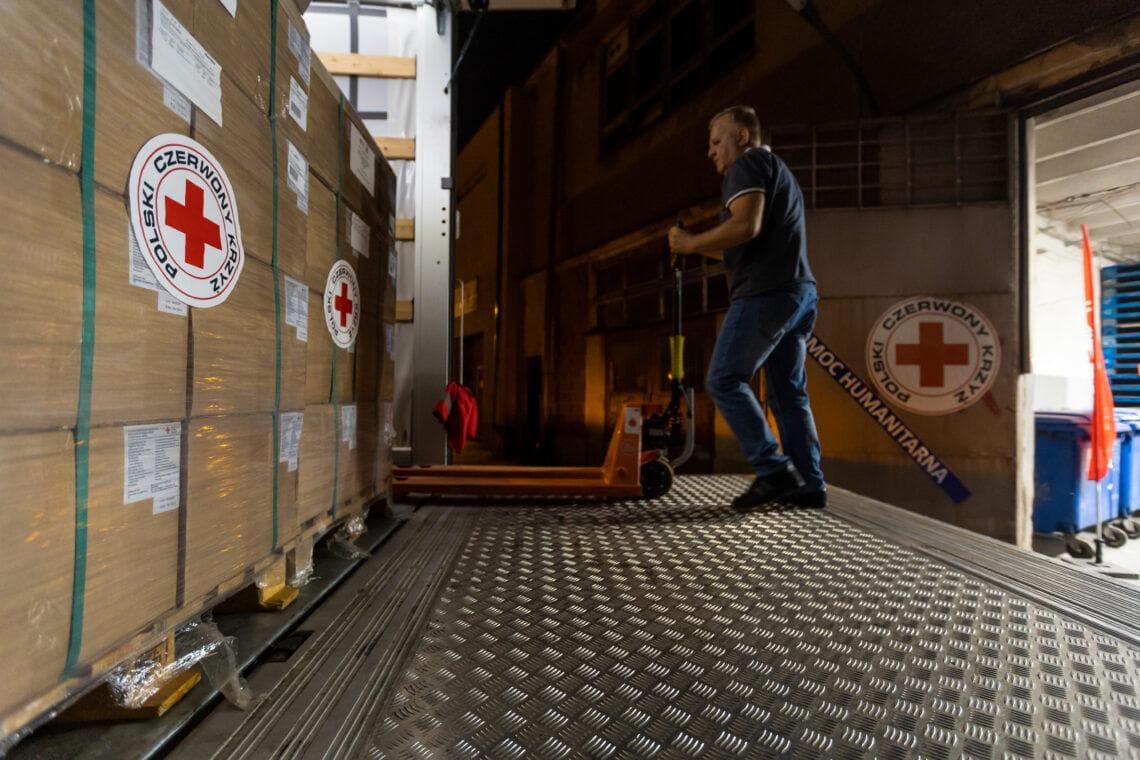
A good example of the importance of international cooperation is the response of the Polish Red Cross to the flood in Slovenia in 2023. Transports containing, among other things, hygiene supplies and long-term food were sent to Slovenia, and members of the Polish Red Cross Rescue and Humanitarian Aid Groups were deployed to assess the needs on the ground. The Polish Red Cross maintained direct contact with the Slovenian Red Cross, coordinating the scope and scale of support. This is an example of how quickly initiated cooperation can translate into assistance for those affected by disaster.
A global treaty could mean, in practice, faster deployment of humanitarian teams, simplified customs and border procedures for emergency supplies, more predictable cooperation between governments and humanitarian organizations, lower costs and fewer administrative barriers, and better protection for those affected by disasters. This is particularly important for countries that are not bound by bilateral treaties regulating these issues.
Why is an international treaty on disasters needed?
· In 2025 alone, 358 natural disasters affected over 110.2 million people worldwide and caused economic losses estimated at $169.7 billion.
· Routine customs clearance in many disaster-prone regions typically takes about 11 days under normal conditions, illustrating the importance of legal preparation before disasters occur.
· About 60% of deliveries arriving at large-scale disaster-affected areas consist of non-priority goods that should not have been sent, as they burden logistics systems, warehouses, and transportation capabilities, and divert personnel from rescue operations.
· Investing in disaster risk reduction can yield a return about 15 times greater than the cost by avoiding future expenditures on recovery.
· A 24-hour warning of an impending dangerous event is enough to reduce damage by even 30%.
For organizations like the Polish Red Cross, efficient cooperation and the ability to quickly mobilize resources are crucial. The Polish Red Cross has specialized rescue and humanitarian teams that can be mobilized in emergencies. Their tasks include organizing temporary shelter, distributing food and basic supplies, and providing psychosocial support.
Additionally, the activities of the Polish Red Cross encompass not only responding to disasters but also preparing people and communities for their occurrence. The campaign "Earth’s Missing Treaty" also emphasizes this – effective assistance in the face of disasters begins long before they occur – from preparing society, rescue teams, and procedures to cooperate across borders. Disasters have local beginnings, but their effects and humanitarian needs can quickly require international collaboration.
The campaign "Earth’s Missing Treaty" is supported by astronauts Dr. Sian Proctor, Nicole Stott, José Hernández, Scott Kelly, Doug Hurley, Julie Payette, Jean-François Clervoy, and Dorothy Metcalf-Lindenburger, who endorsed the call for intensified international cooperation for disaster victims.
Visit earthsmissingtreaty.org
Return
Oct
07
security
Poles recognize the threats, but are still unprepared for them. Polish Red Cross study
How do Poles assess the risk of crises and disasters? Do they have supplies, an action plan, and an evacuation backpack ready? Who do they trust when they need information about safety? The study "Preparing Polish Society for Disasters and Catastrophes," commissioned by the Polish Red Cross and conducted by Zymetria, provides answers to these questions.

Oct
06
security
Mass evacuation from Lithuania to Poland. We are practicing.
What should be done if a mass evacuation of people, for example, from Lithuania to Poland, becomes necessary? This scenario was implemented during the Vyčio Skliautas 2026 exercise in Lithuania.

Oct
01
first aid
Robert Lewandowski and Polish national team: I train – I save
Robert Lewandowski, Jan Bednarek, Jakub Kamiński, Kacper Potulski, Tymoteusz Puchacz, and Wiktor Nowak – Polish national team players – encourage people to learn first aid. The Polish Red Cross and the Polish Football Association have launched the "I Train – I Save" campaign.
Aug
26
natural disasters
Website sponsored by home.pl

You are currently viewing a page filtered by content from the department. Cała PolskaIf you want to view content from Cała Polskaclick the button