Textile management crisis. An appeal to the authorities for urgent action
date
30 September 2025
category
26 entities representing various links in the textile value chain: from manufacturers and retailers, through waste management companies, representatives of local governments and the academic world, to non-governmental organizations led by the Polish Red Cross, which has been an important element of the second-hand clothing system so far, call on the authorities to start work to halt the crisis in the management of textiles and textile waste in Poland.
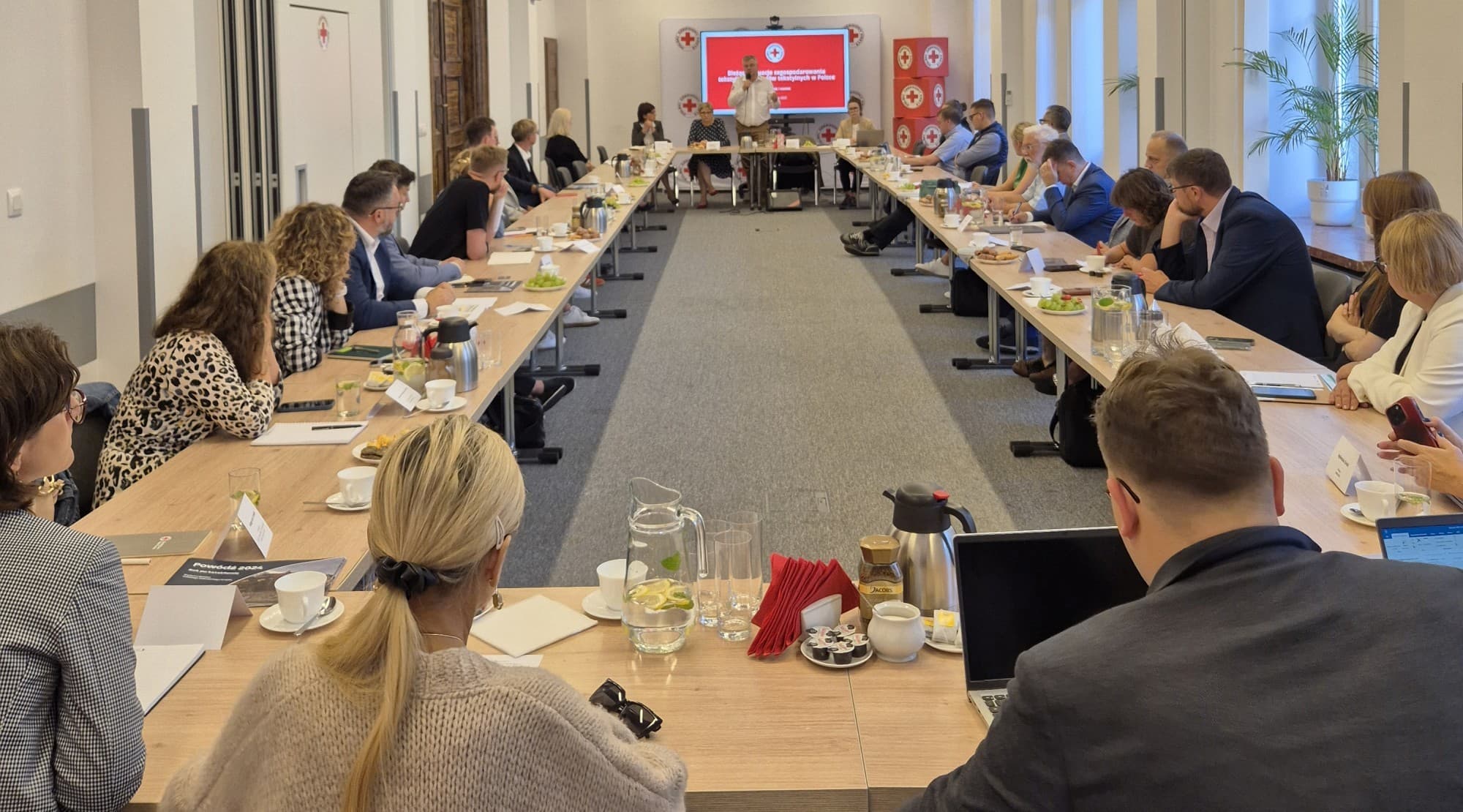
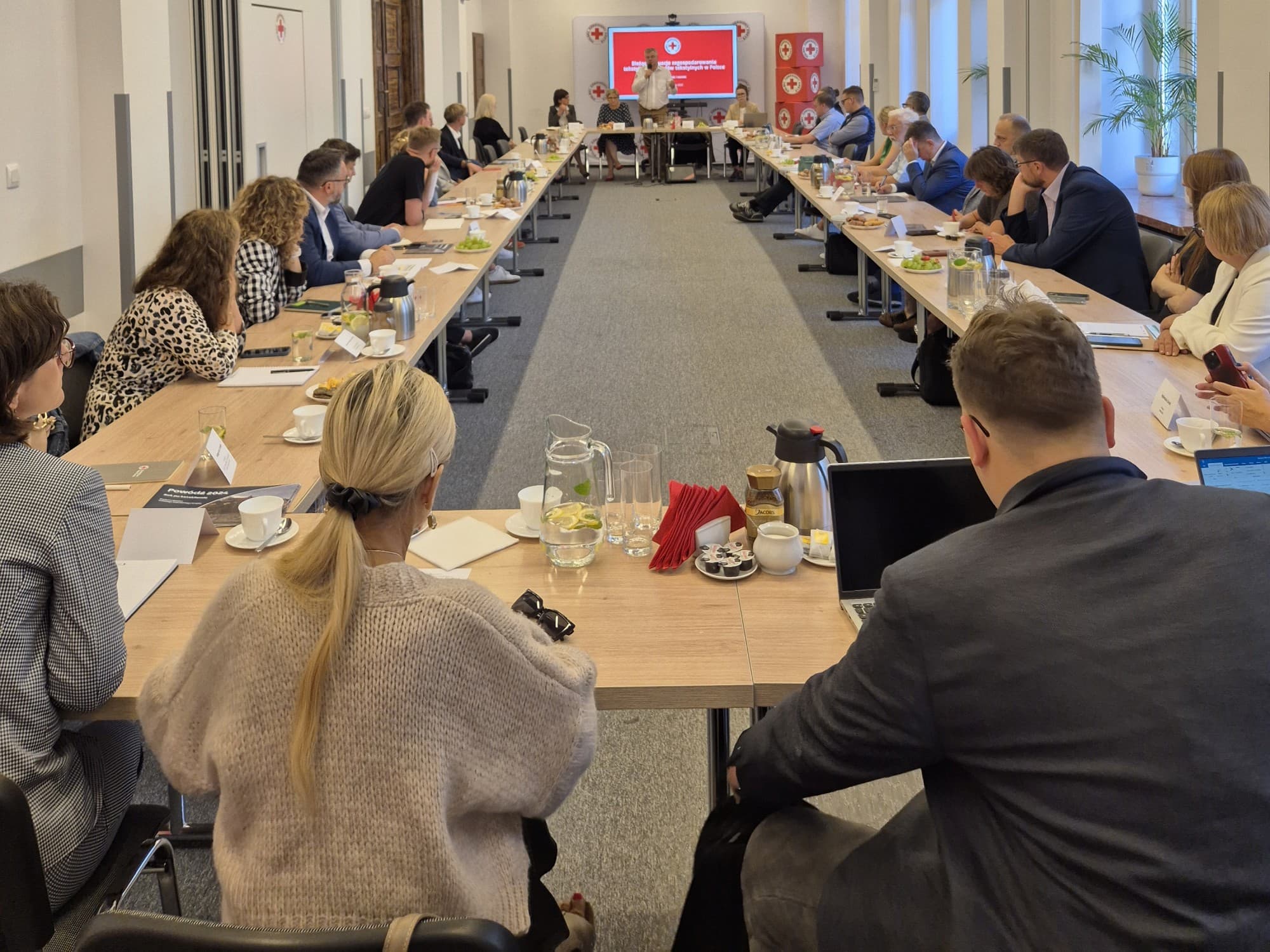
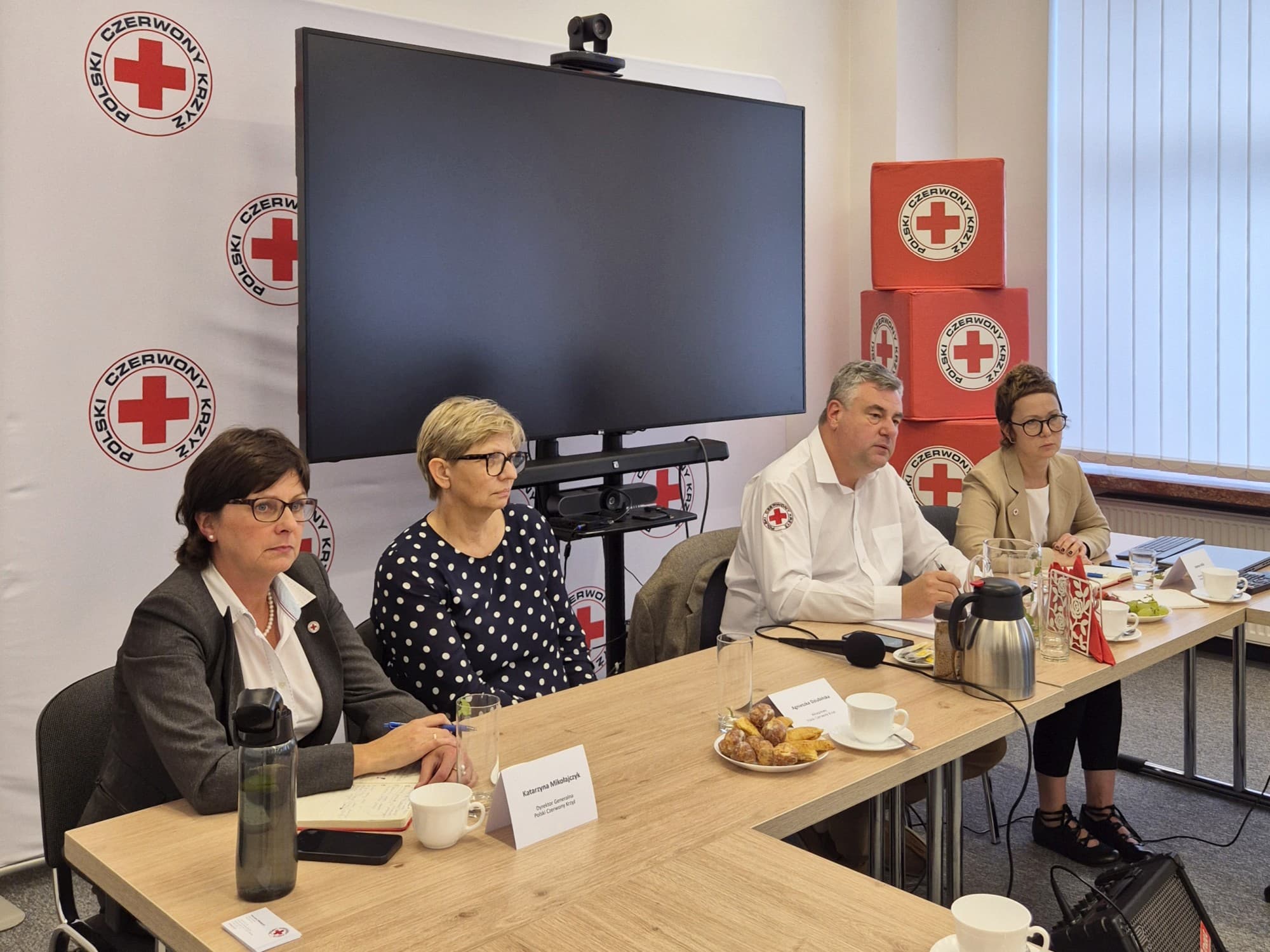
A meeting dedicated to the current situation of textile and textile waste management in Poland was held at the headquarters of the Polish Red Cross in Warsaw. It was a response to serious environmental, economic, and social problems that have affected this sector in recent months.
The inflow of cheap, low-quality clothing from outside the European Union, often not meeting standards and difficult to reuse, is largely responsible for this. The problem reached its peak at the beginning of 2025, after the introduction of new waste segregation rules with the obligation of selective collection of textiles. Added to this was insufficient public education and the lack of a funding mechanism based on the principle of Extended Producer Responsibility (EPR).
Effects for organizations and consumers
The consequences of the current situation are severe. In container collections of used clothing, as much as 60% consists of waste, which deprives charitable organizations of funding sources and forces many of them to limit their activities.
At the same time, waste processing companies face several times the increase in disposal costs, while municipalities and waste management enterprises warn that financial burdens will ultimately fall on consumers.
There is also concern about the growing scale of clothing being abandoned on the streets and in forests, as well as the uncontrolled influx of reusable textiles to Selective Municipal Waste Collection Points.
Call for systemic changes
In response to these problems, the participants of the meeting emphasized the need for urgent action and the development of solutions for the "here and now" as well as systemic changes, both at the national and EU levels, calling for amendments to legal regulations and the implementation of EU regulations on waste, including EPR principles for textiles. Speaking from the positions of practitioners and experts, they proposed recommendations that could improve the situation in the textile market and declared a willingness to cooperate with the government administration.
The new system – as emphasized – should draw on best practices from other European countries, support the reuse of textiles, particularly by non-governmental organizations previously involved in their collections, and also include elements of social education and introduce financial incentives for innovative solutions.
The need for joint action
We believe that our initiative will contribute to the development of environmentally friendly solutions that will be beneficial for the entire textile value chain. We want to strengthen the competitiveness of the Polish economy while ensuring that the management of clothing and textiles is aligned with social mission.
The meeting was attended by, among others, the Consumer Federation, Caritas Polska, Jeronimo Martins Polska, Castorama, Amazon, SMYK, Rekopol, VIVE Textile Recycling, the Council of RIPOK Employers' Union, the Chamber of Municipal Industry, the Employers' Union of the Clothing and Textile Industry, as well as representatives of local governments, the academic environment, and industry media.
The appeal from the community reached the Chancellery of the President of the Republic of Poland, the Minister of Climate and Environment, the Minister of Finance and Economy, the Ministry of Development and Technology on September 30, as well as several committee chairpersons of the Senate and Sejm of the Republic of Poland.
Return
See also:
Sep
15
security,
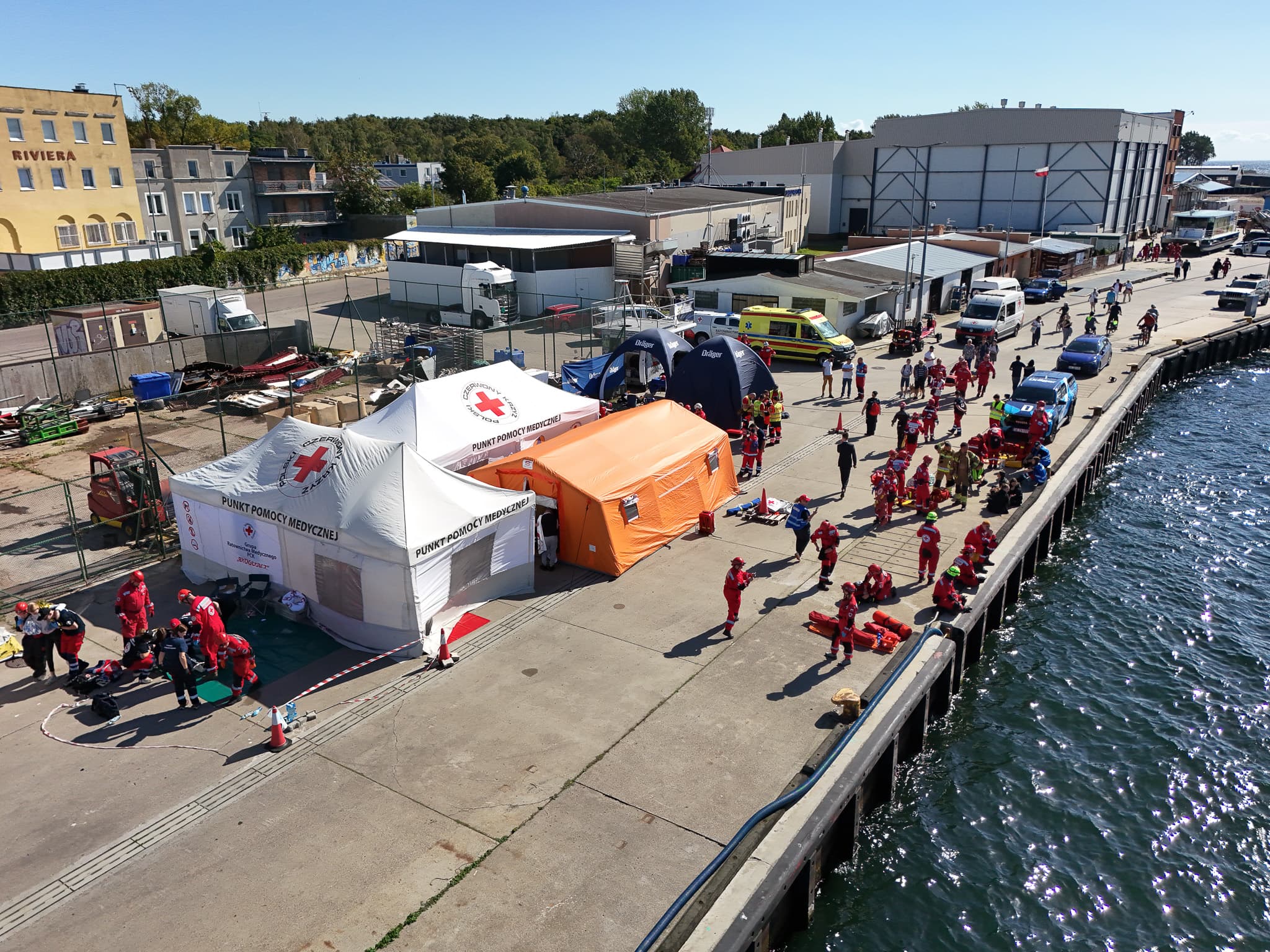
Półwysep 2025: Rescuers and humanitarians prepared for crisis
Sep
09
flood
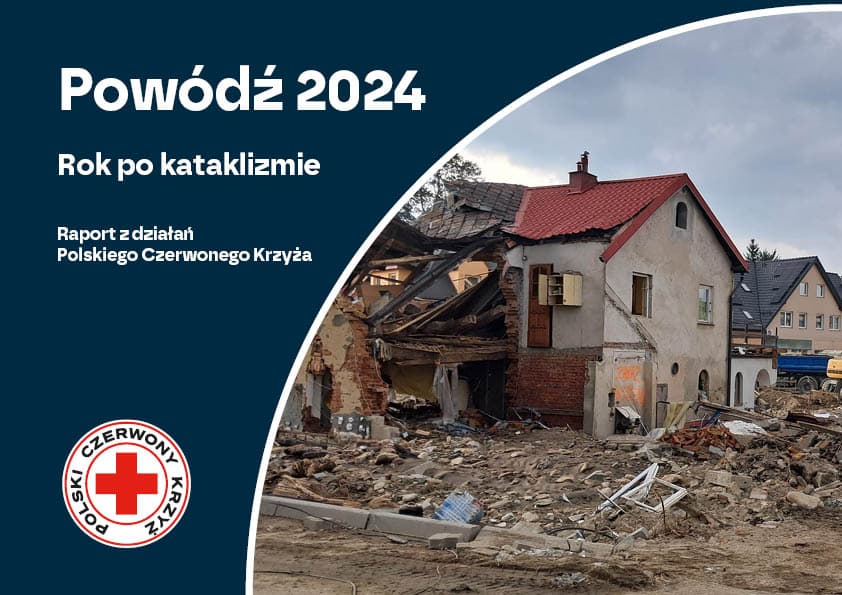
One year after the flood, the Polish Red Cross summarizes its aid efforts.
The tragic flood in September 2024 affected 238,000 people, destroyed nearly 12,000 buildings, and caused losses estimated at PLN 1.4 billion. A year later, the Polish Red Cross published a report summarizing the actions taken during and after the disaster.
Aug
28
security
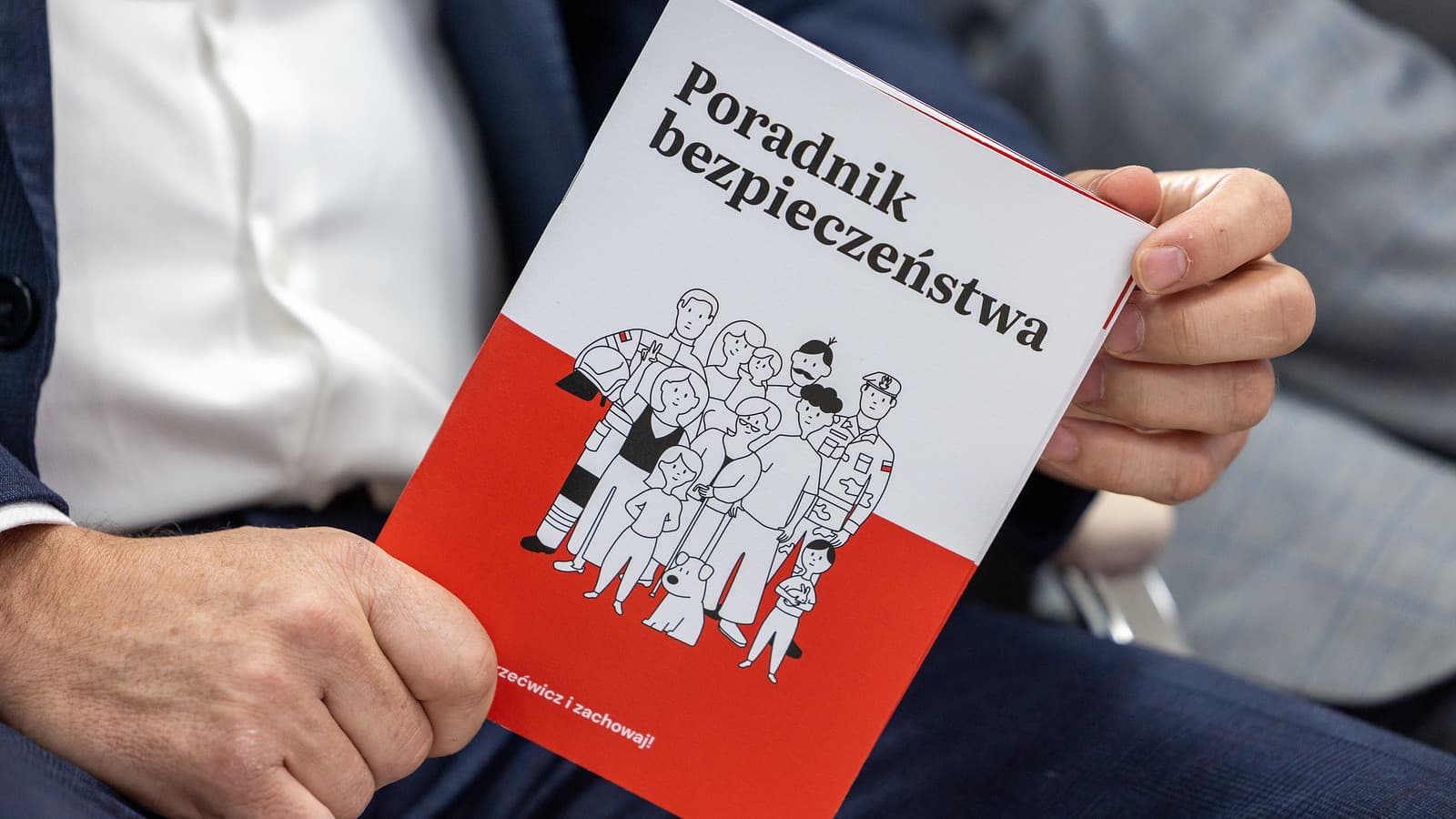
The "Safety Guide" will be distributed to all residents
“The Safety Guide was developed in cooperation with the Polish Red Cross, which, as part of the expert consultations, shared its long-standing experience in the field of rescue operations, first aid, and support for the civilian population.”

Jul
31
Website sponsored by home.pl
You are currently viewing a page filtered by content from the department. Cała PolskaIf you want to view content from Cała Polskaclick the button