Economic Forum in Karpacz. We talk about how to prepare for a crisis: mentally, practically, and competently
date
14 September 2026
category
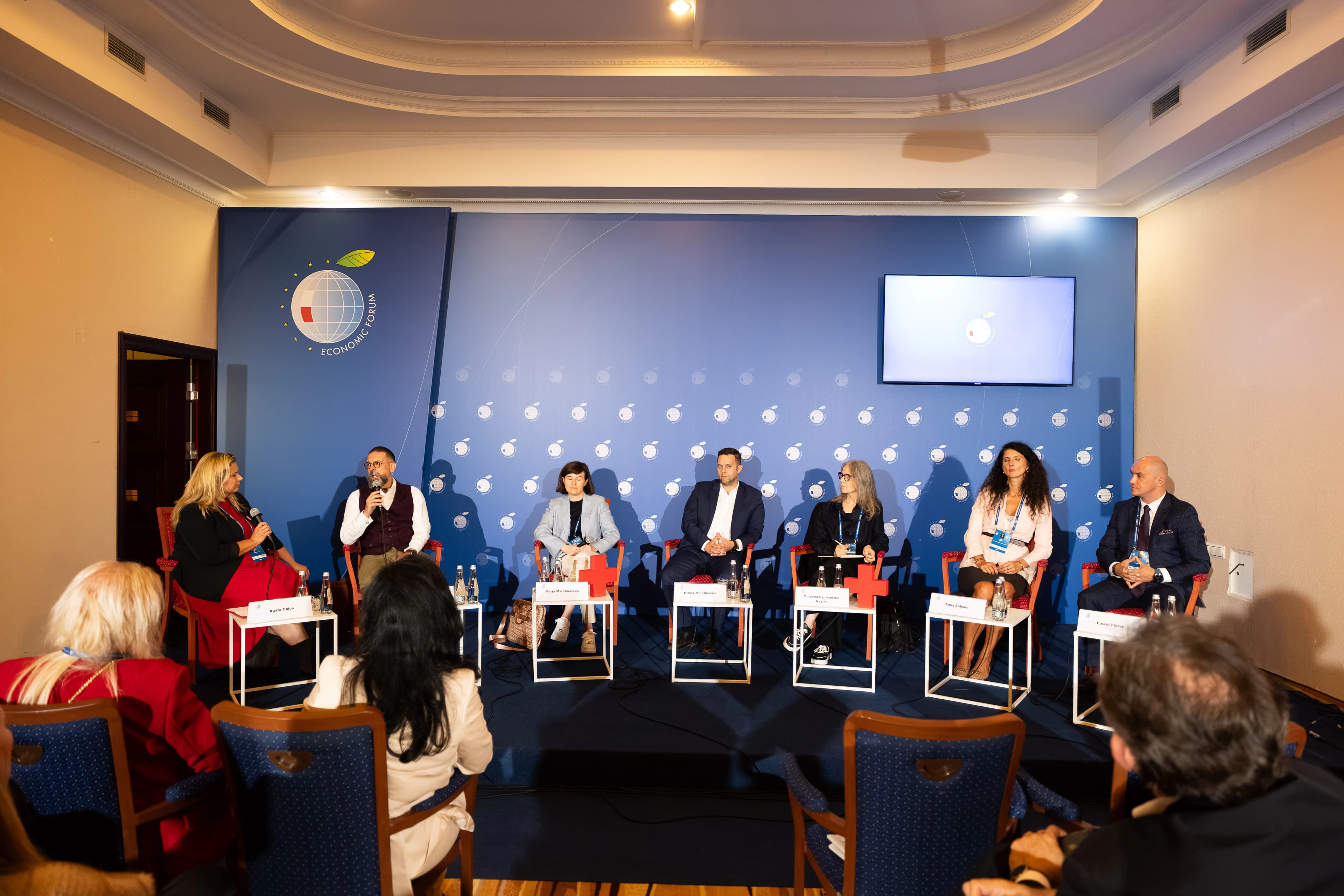
Panel discussion of the Polish Red Cross, three other panels with the participation of our specialists, hundreds of conversations at the booth and in the corridors, presentation of the evacuation backpack and PCK courses and training - the Economic Forum in Karpacz is behind us.
The Economic Forum in Karpacz is one of the most important events where the worlds of politics, business, administration, science, and social organizations in Central and Eastern Europe meet. This year, it was accompanied by the slogan "Architecture of a new order – stability in times of change," which perfectly aligns with one of our goals: building social resilience. Resilience starts with preparation - with knowledge, skills, and readiness to act, even in situations that severely challenge our mental capacity. It was therefore a great opportunity to show and discuss how to build a resilient society and prepare for crises before they happen.
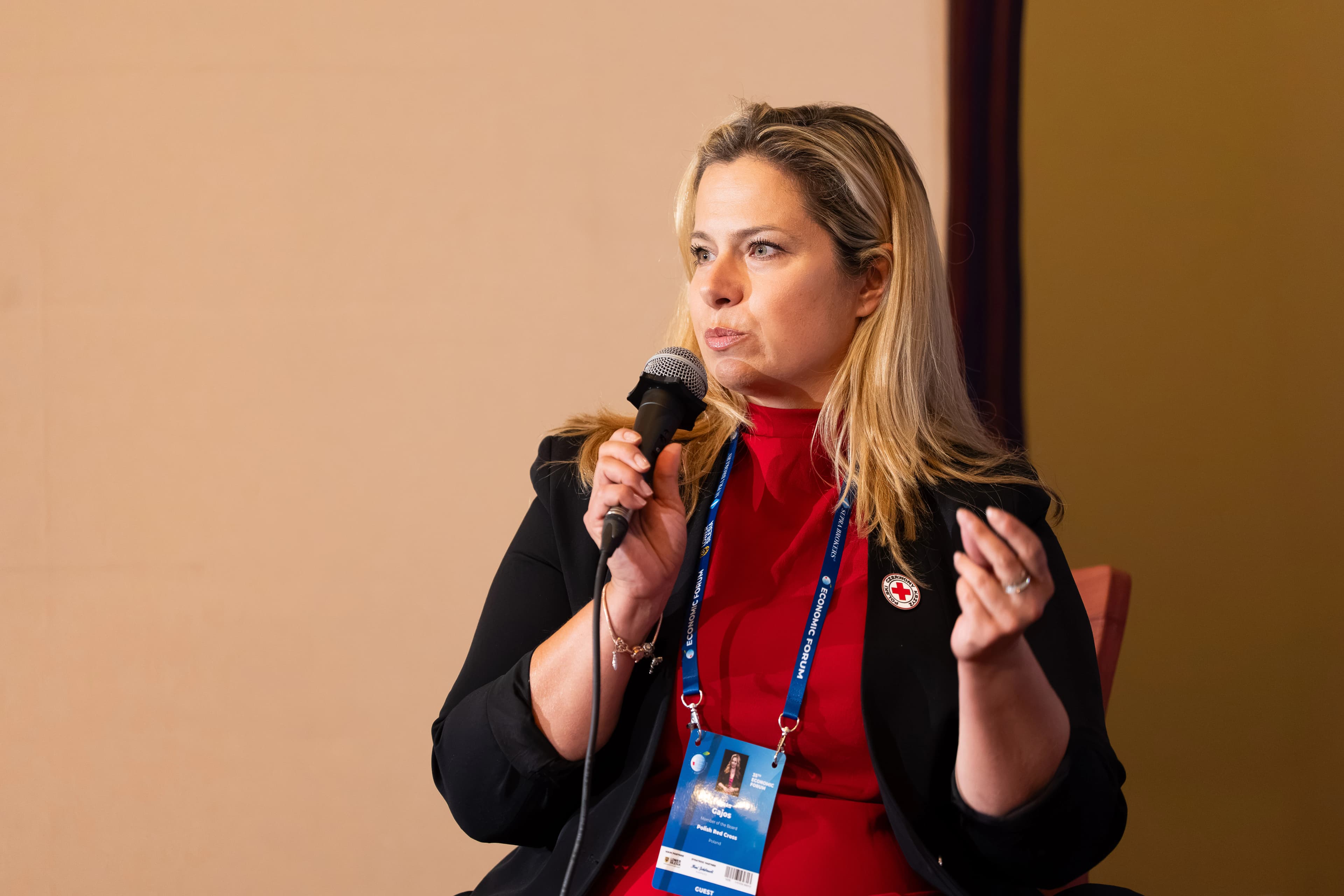
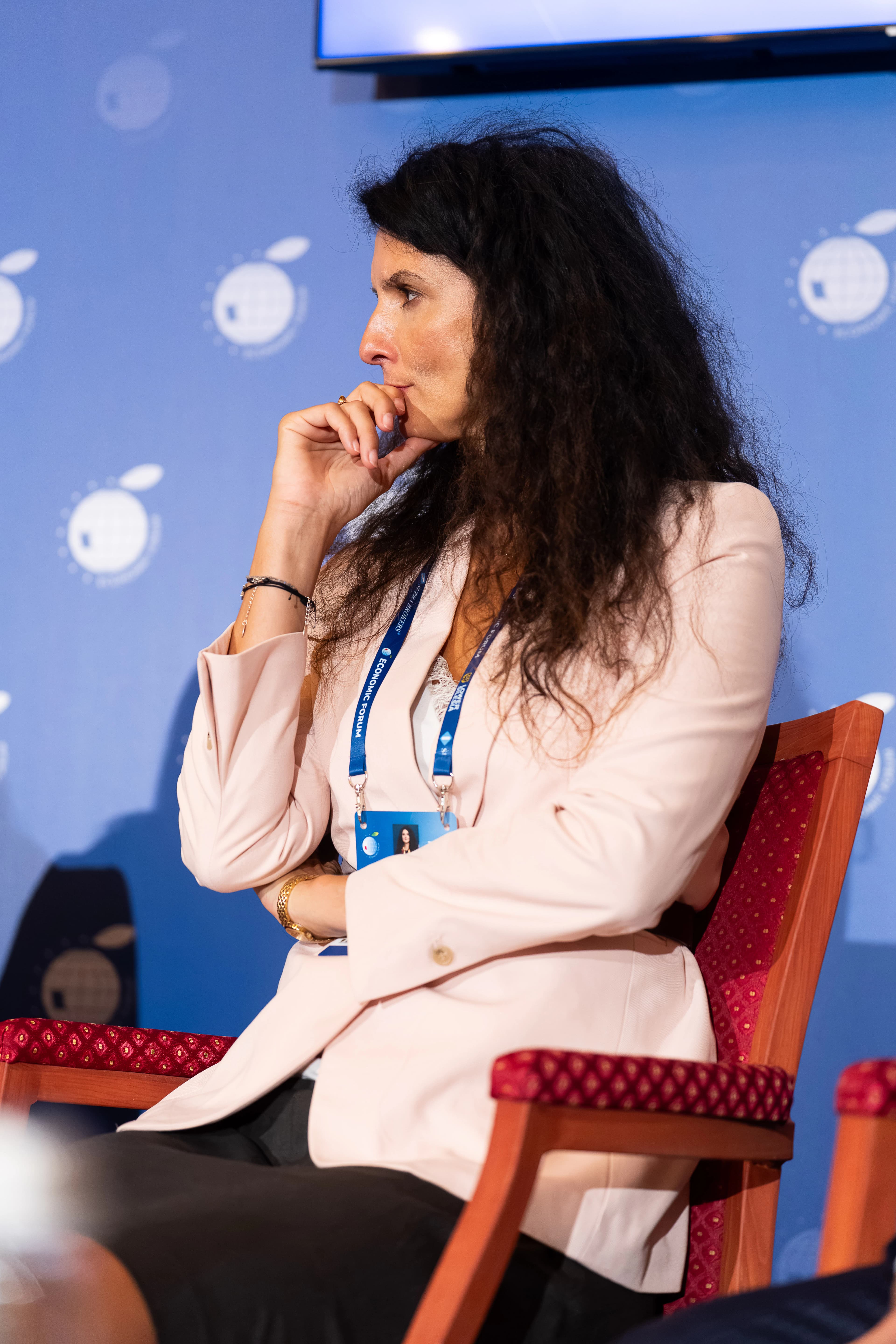
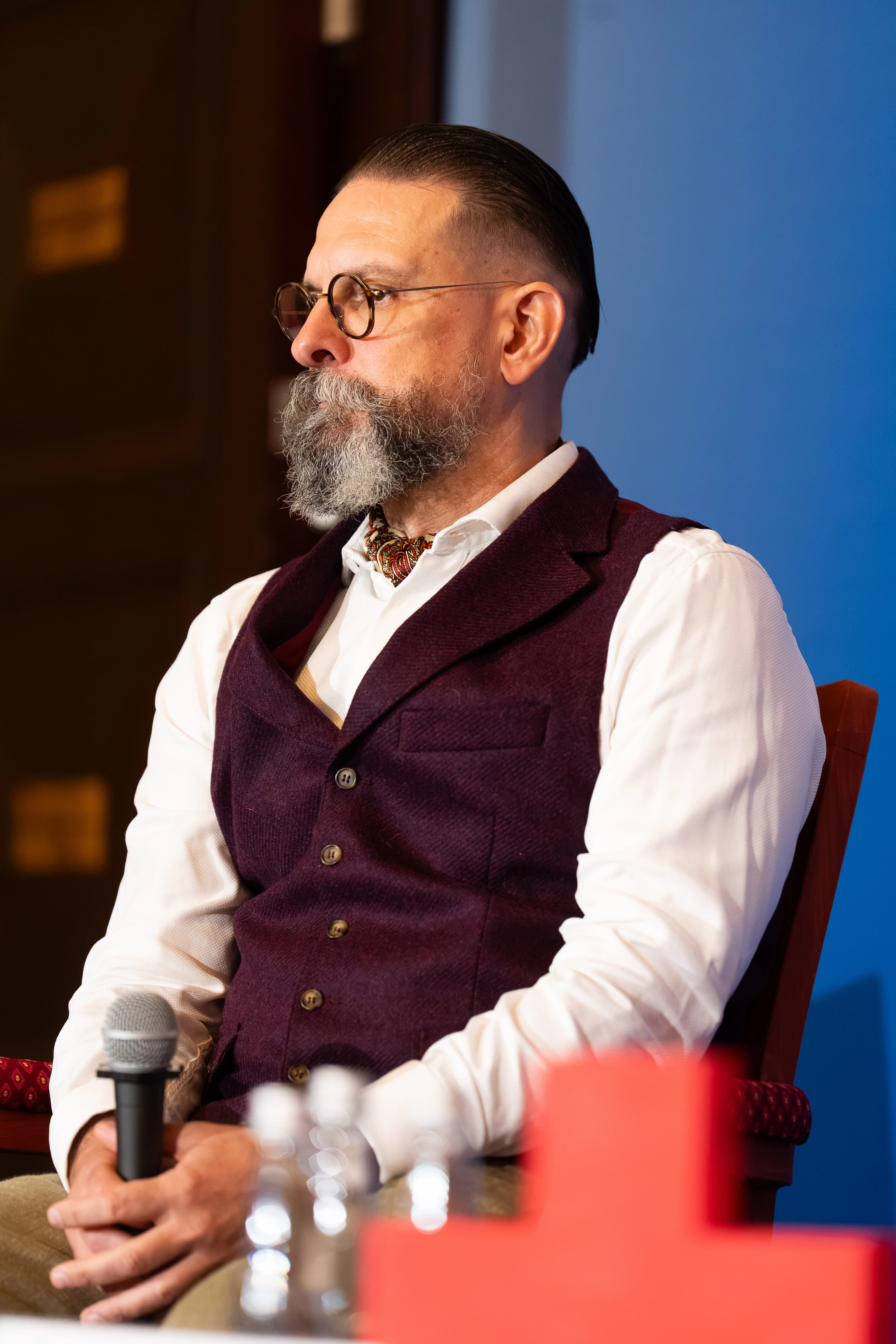
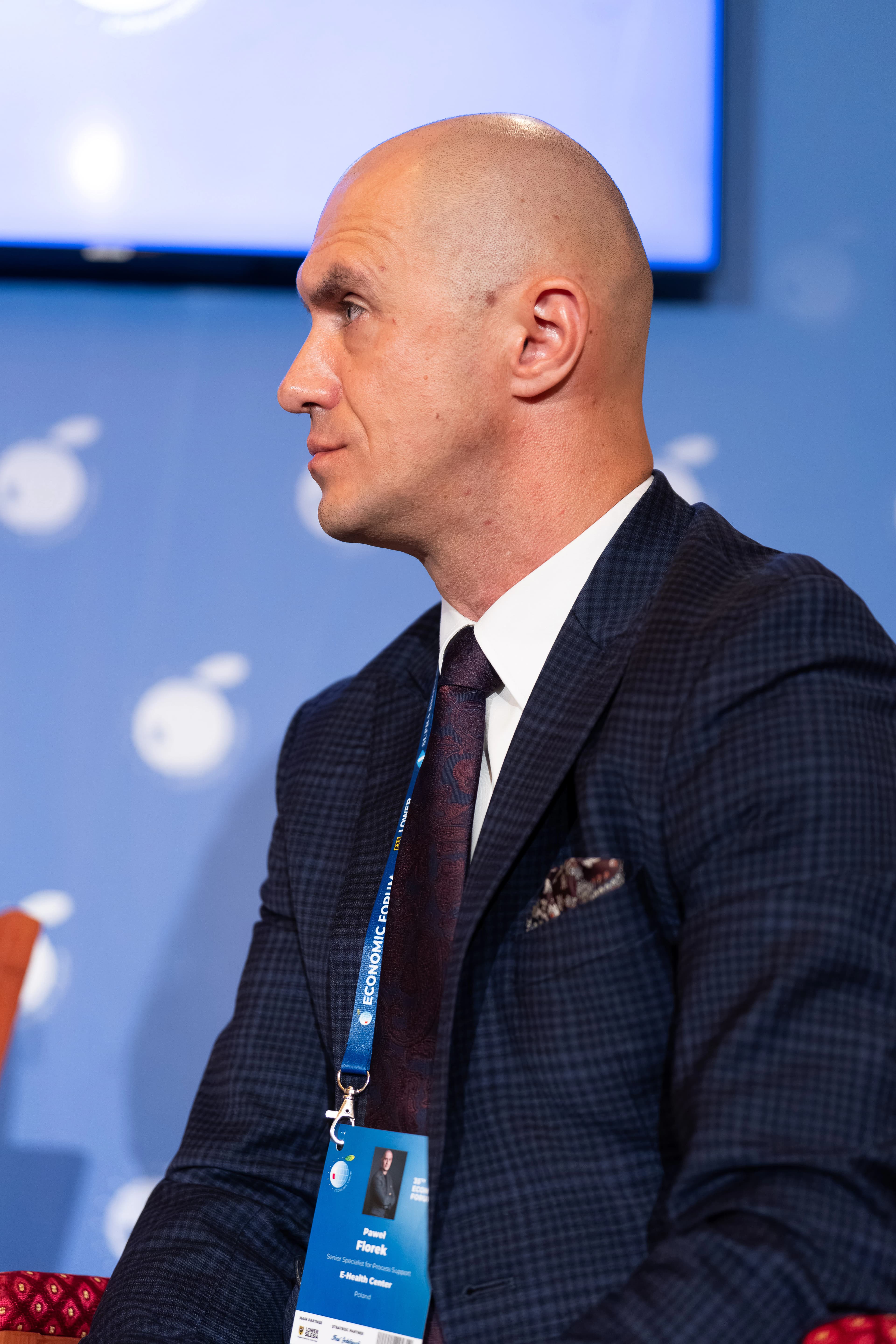
We started the Forum with the panel of the Polish Red Cross "Resilient people, resilient company: psychological first aid in times of crisis." The conversation about how to support people and organizations when facing crisis situations was led by Agata Gajos, head of the National Coordination Team of PCK for humanitarian aid. Representatives of public authorities, business, and psychologists shared their experiences on this topic: Miłosz Brzeziński, Anna Żabska, Marzena Cypryańska-Nezlek, Marta Marchlewska, Miłosz Marchlewicz, and Paweł Florek.
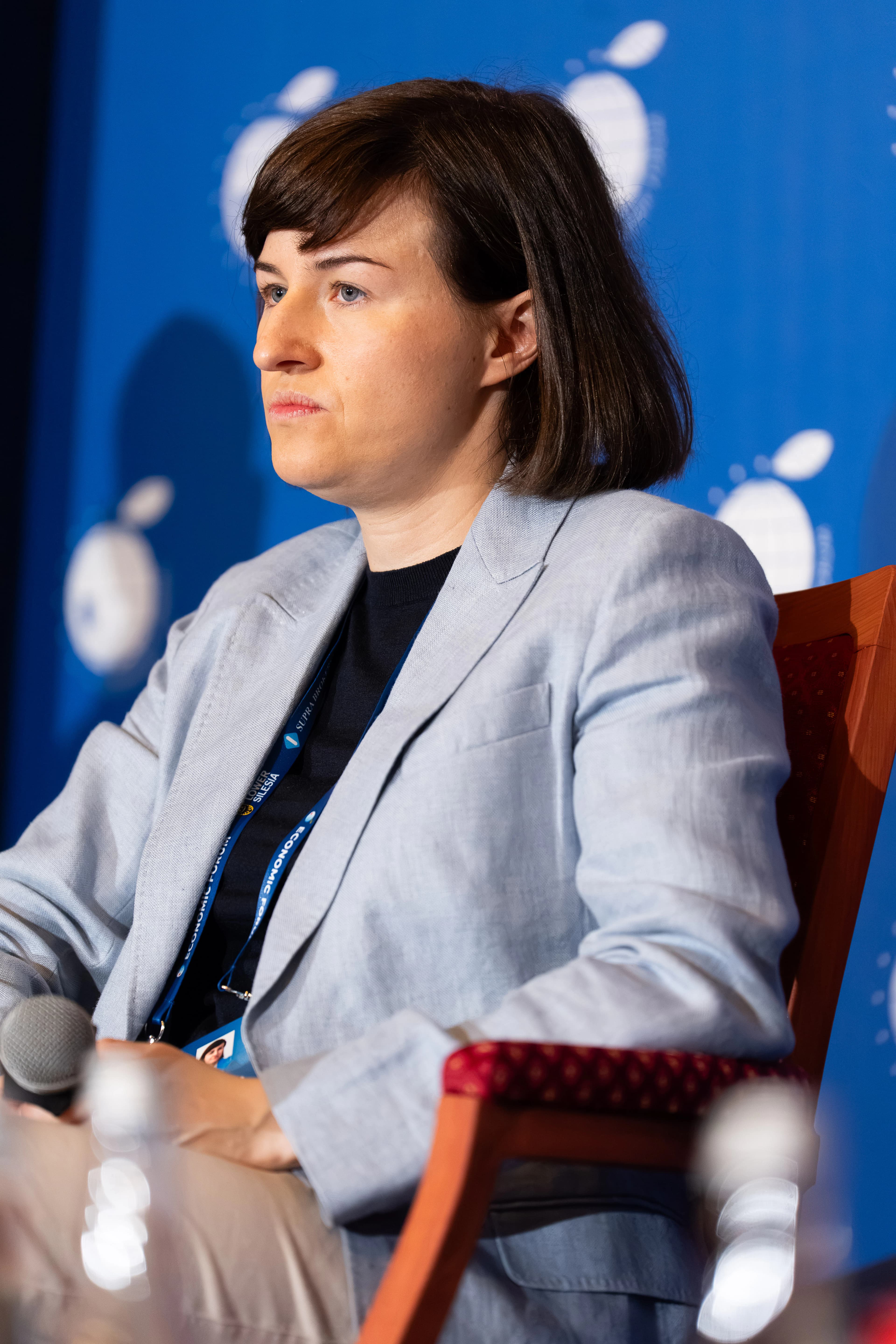
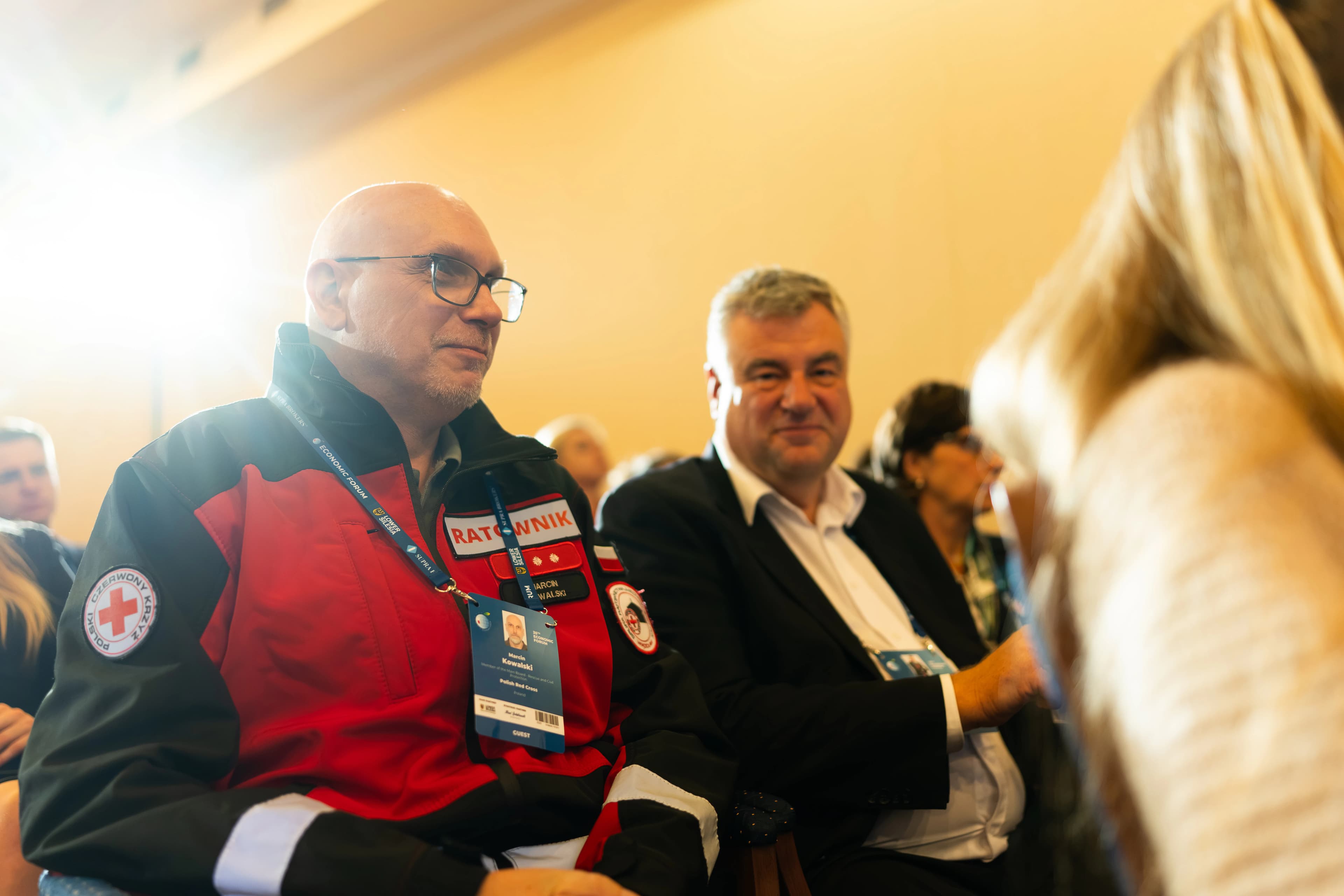
The next discussion with our representatives took place under the slogan "Government, local government, or business, that is, who and how should build social resilience to crises." Marcin Kowalski, chairman of the National Coordination Team for Rescue and Civil Protection at PCK, spoke about the extremely important role of non-governmental organizations and individual citizens in building social resilience.
On the last day of the Forum, we paid particular attention not only to social resilience but also to education and cooperation among different sectors. Director General of PCK, Katarzyna Mikołajczyk, participated in the panels "School, its resilience to crises, and potential for building social resilience" and "Partnerships for social resilience – NGOs, business, central administration."
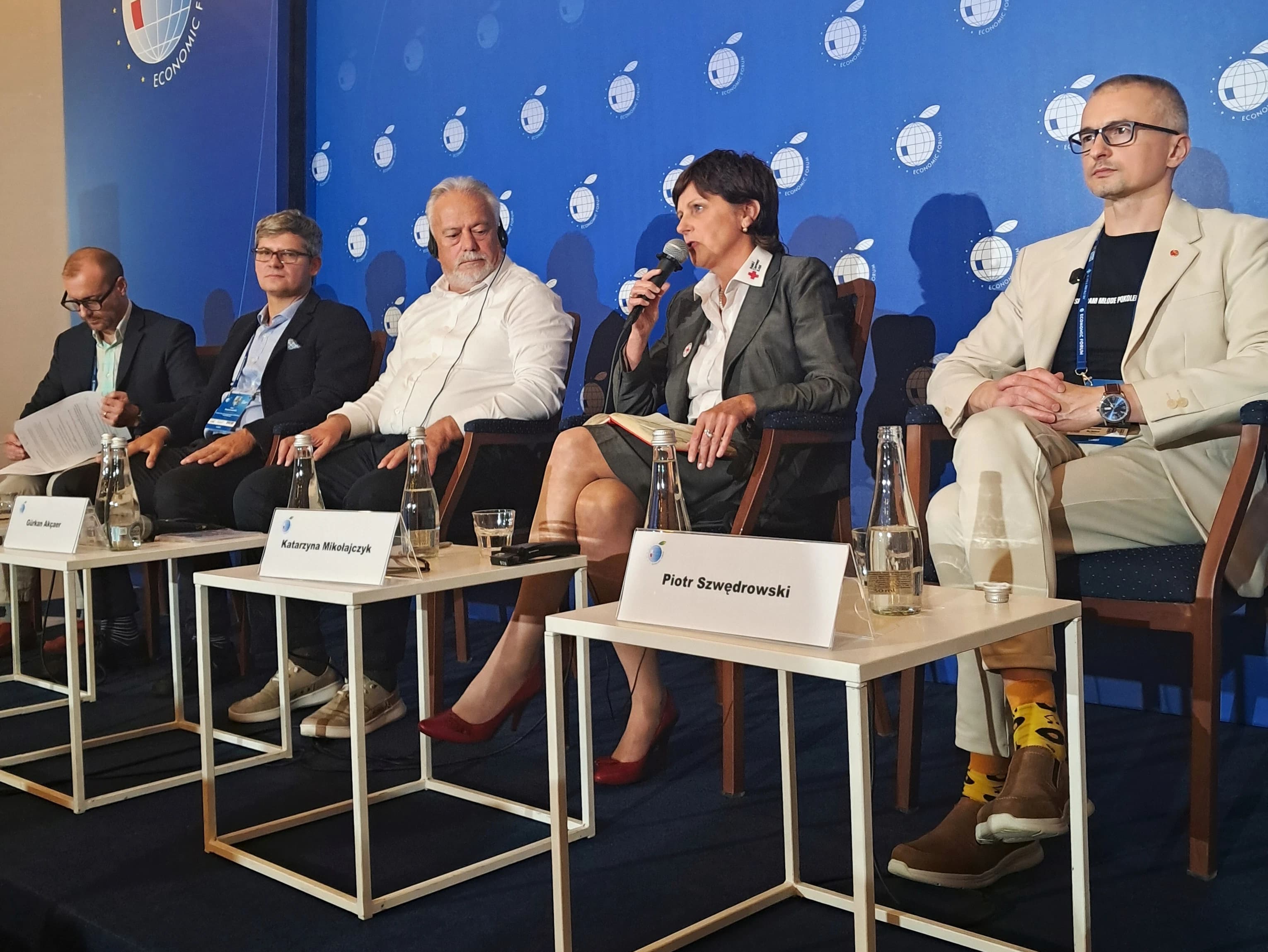
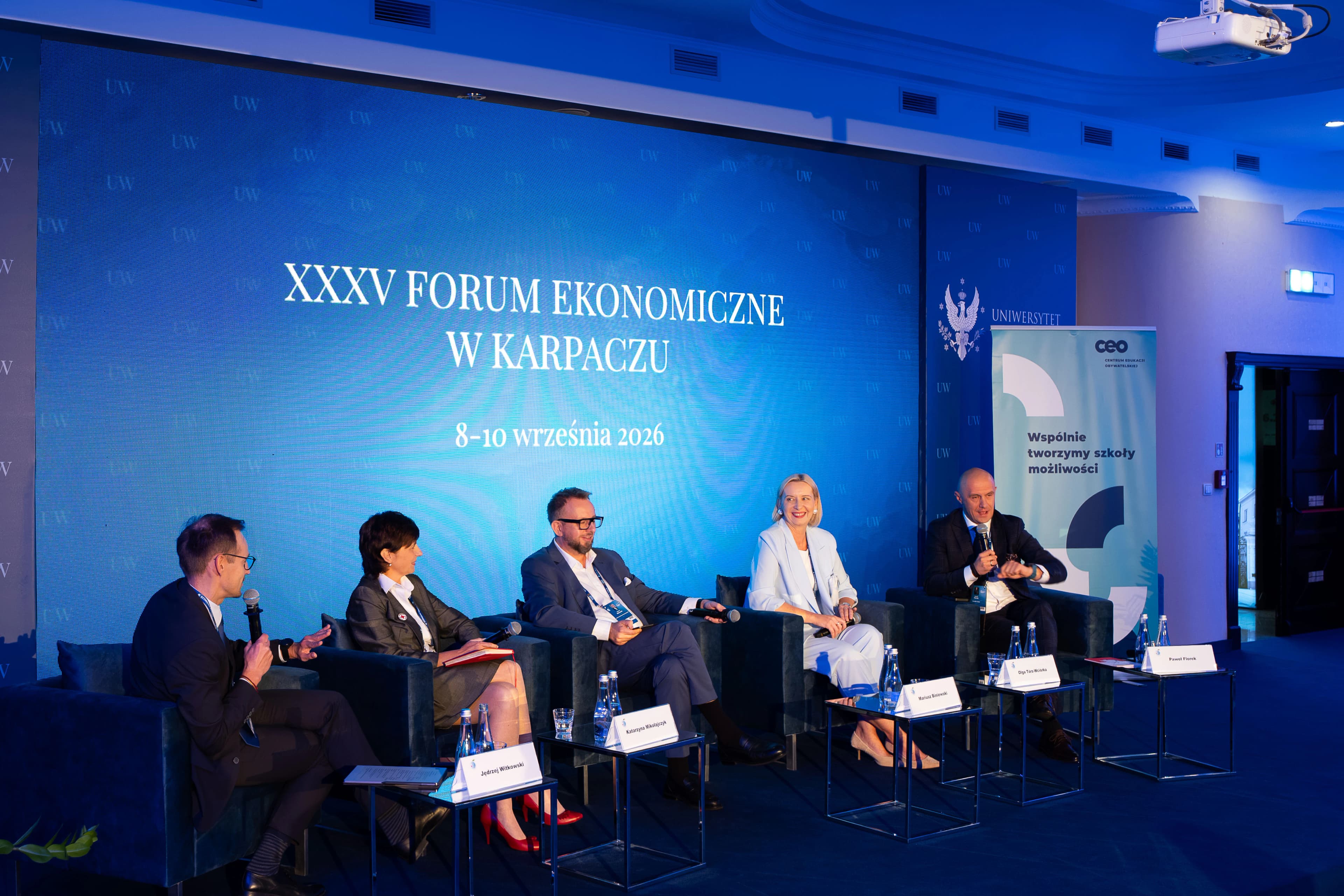
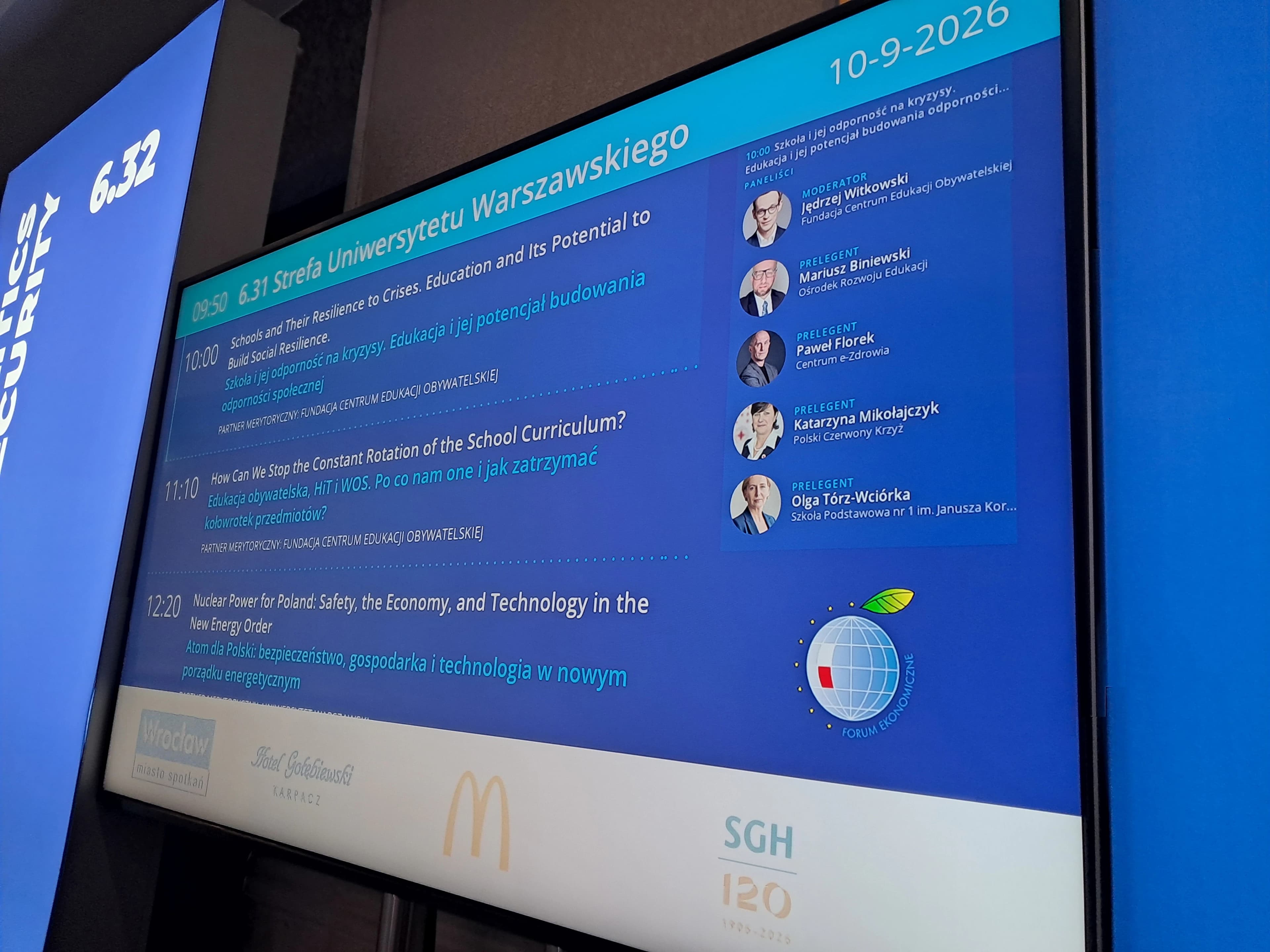
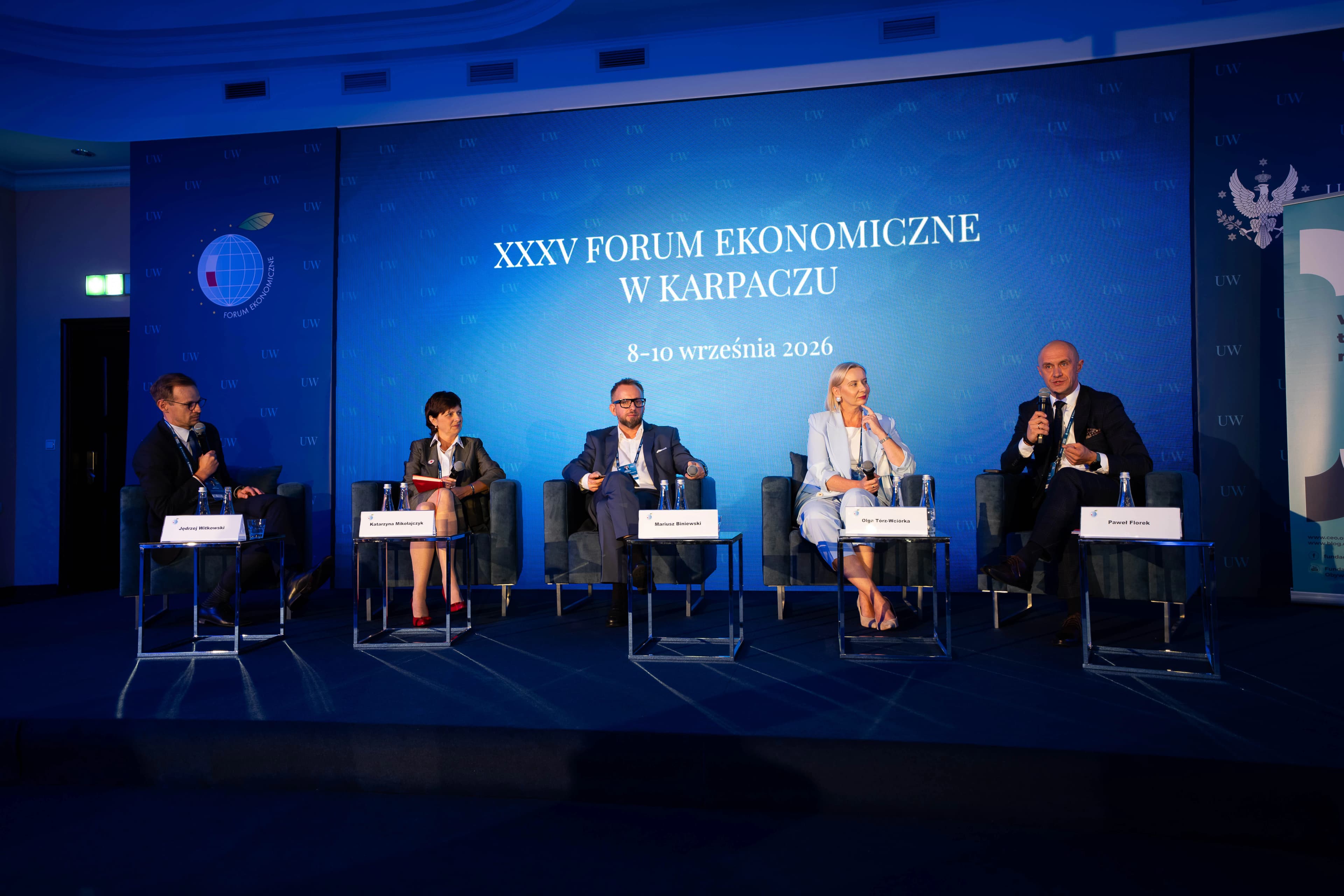
Building social resilience is a shared responsibility of local governments, NGOs, and citizens. From our perspective, the three most important elements in building resilience are: trained people ready to provide help; structures – we should all have defined roles that we will play; and relationships: if we work out these relationships before a crisis, we will react much more effectively. Partnerships must always be win-win, in small steps. Flexibility is extremely important, as well as continuity of funding. For these to be long-term partnerships, not just for crisis or emergency periods.
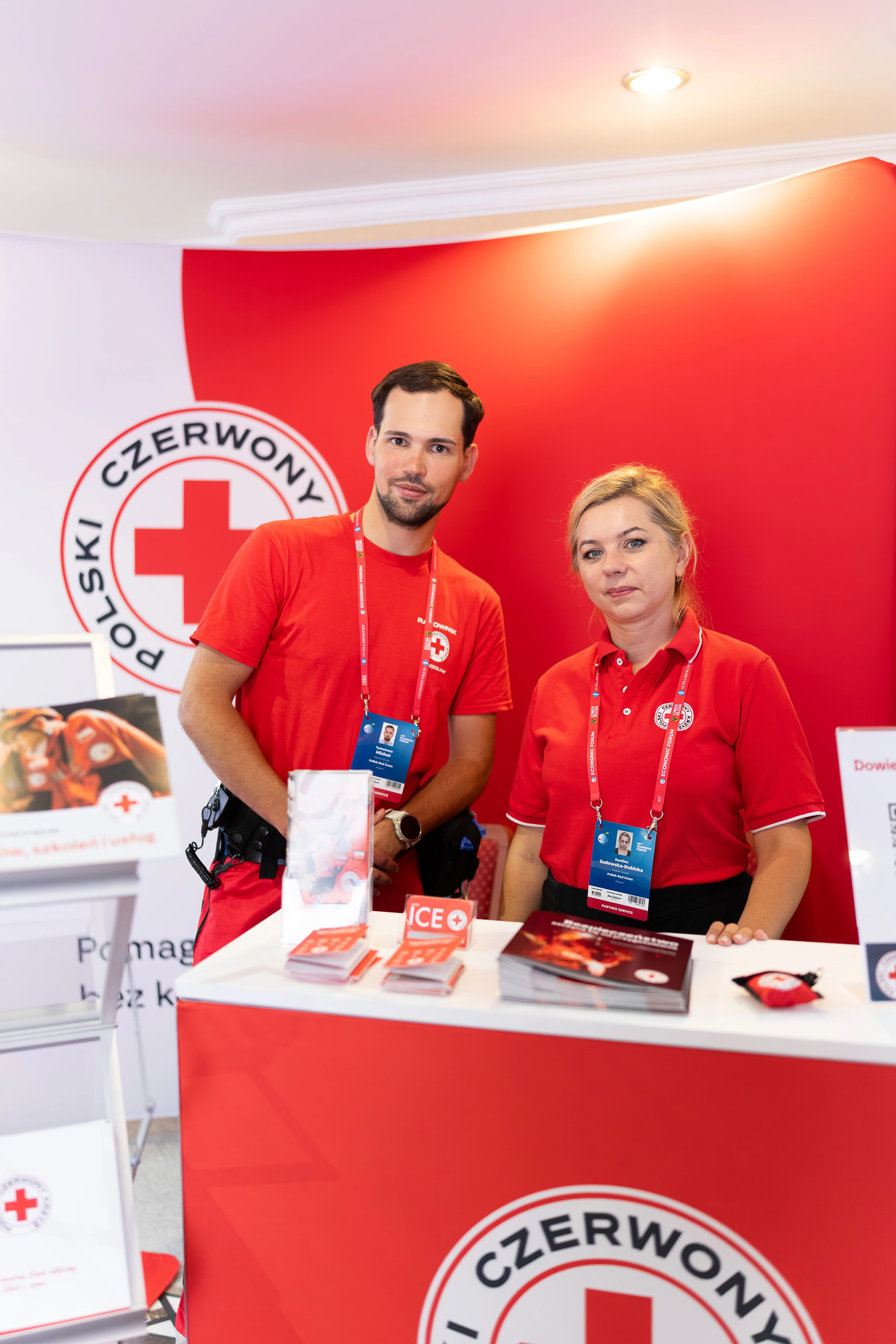
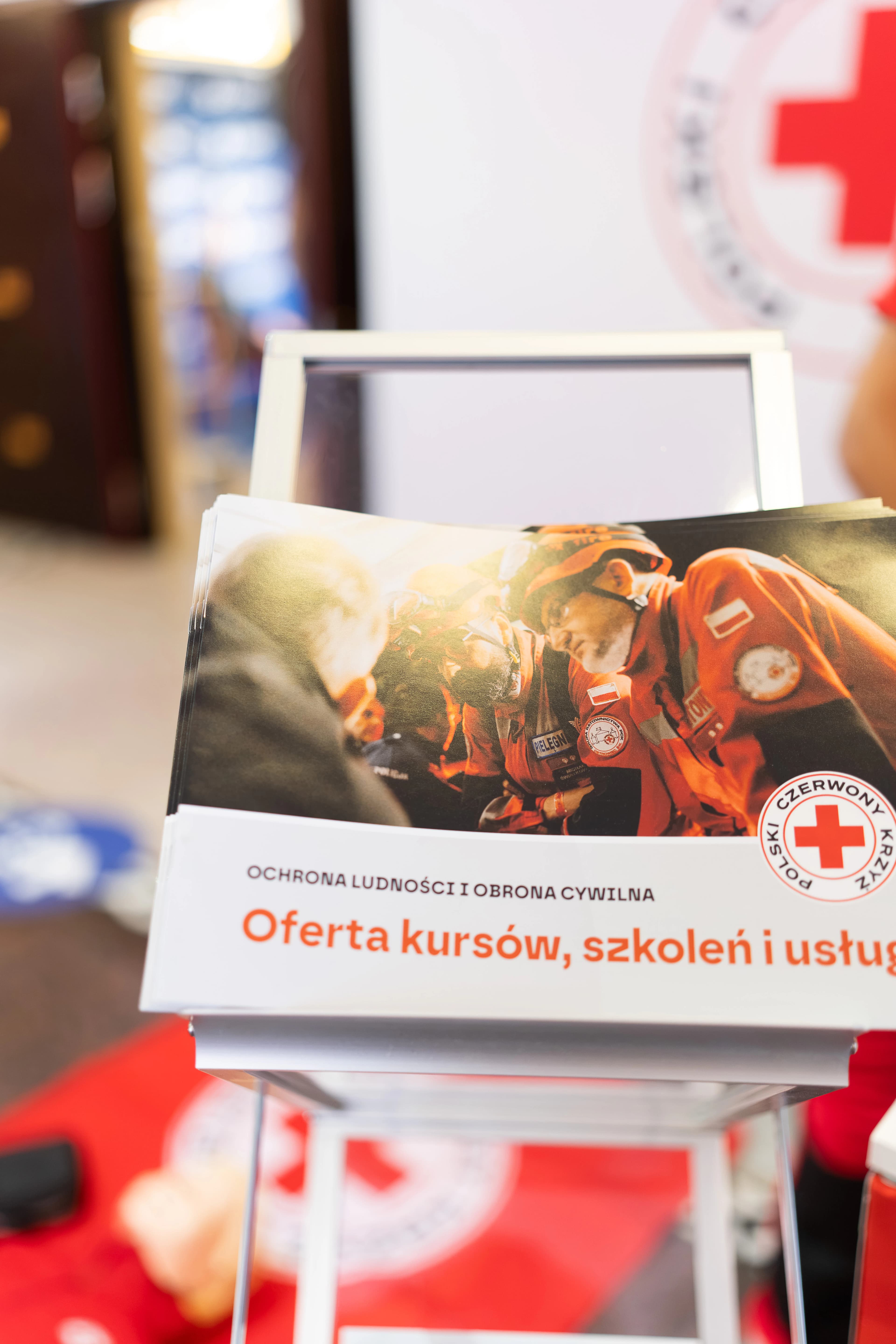
For three days, we welcomed guests of the Economic Forum to our information and education booth. The Medical Rescue Group of PCK Warsaw taught the basics of first aid and instructed how to behave in emergency situations. Additionally, we presented our courses and training offers, which can benefit representatives of local government, businesses, and individuals.
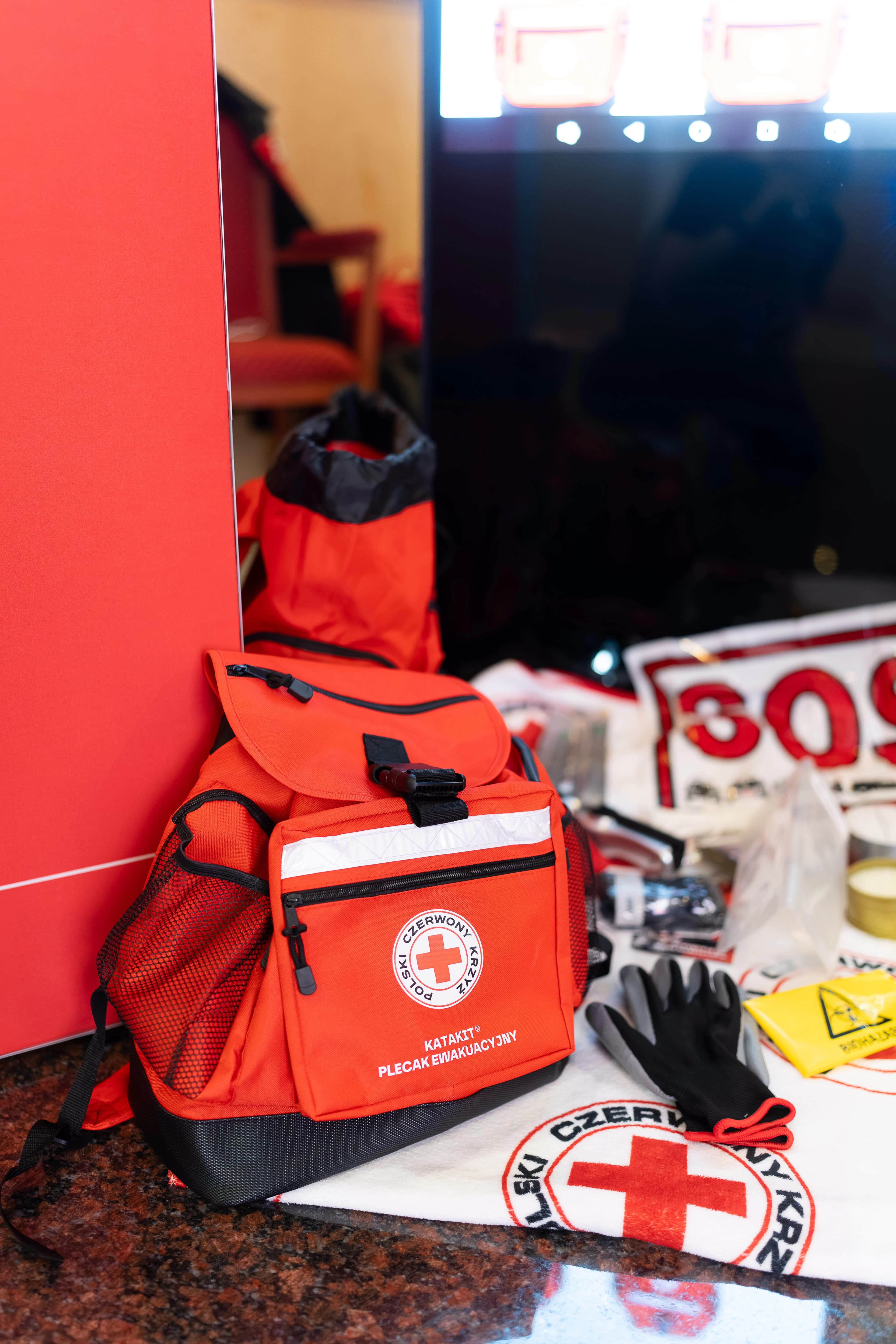
In Karpacz, the evacuation backpack of the Polish Red Cross also had its premiere. It will soon be available for sale. It was prepared in a one-person and four-person version. It contains a set of items and tools recommended by specialists that may be useful in a life-threatening situation or health emergency, as well as in the event of an evacuation. These include a first aid kit, a flashlight with a crank radio, a container and water purification tablets, a CAT-type tourniquet, an emergency Mylar sleeping bag, emergency glow sticks, and heat packs.
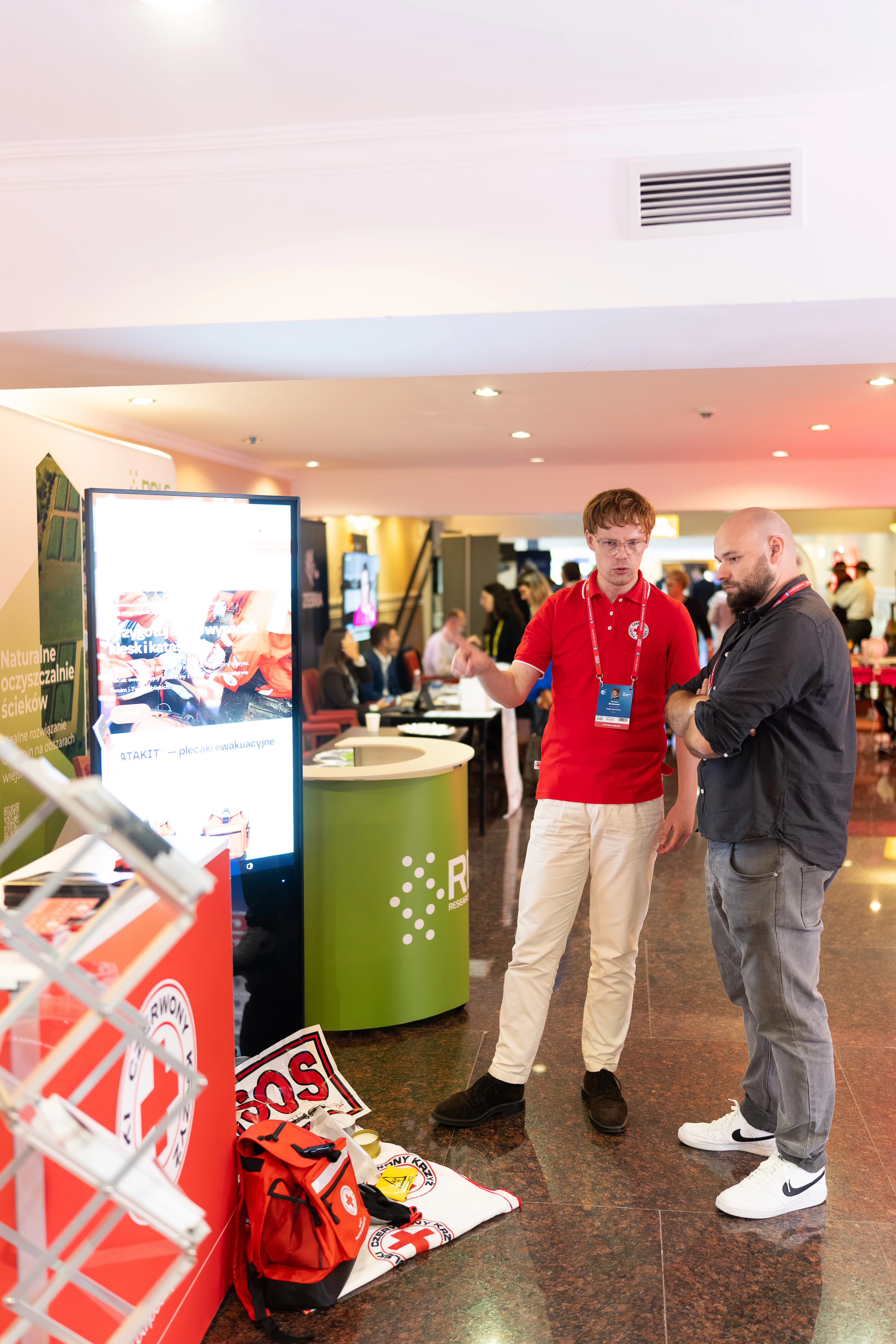
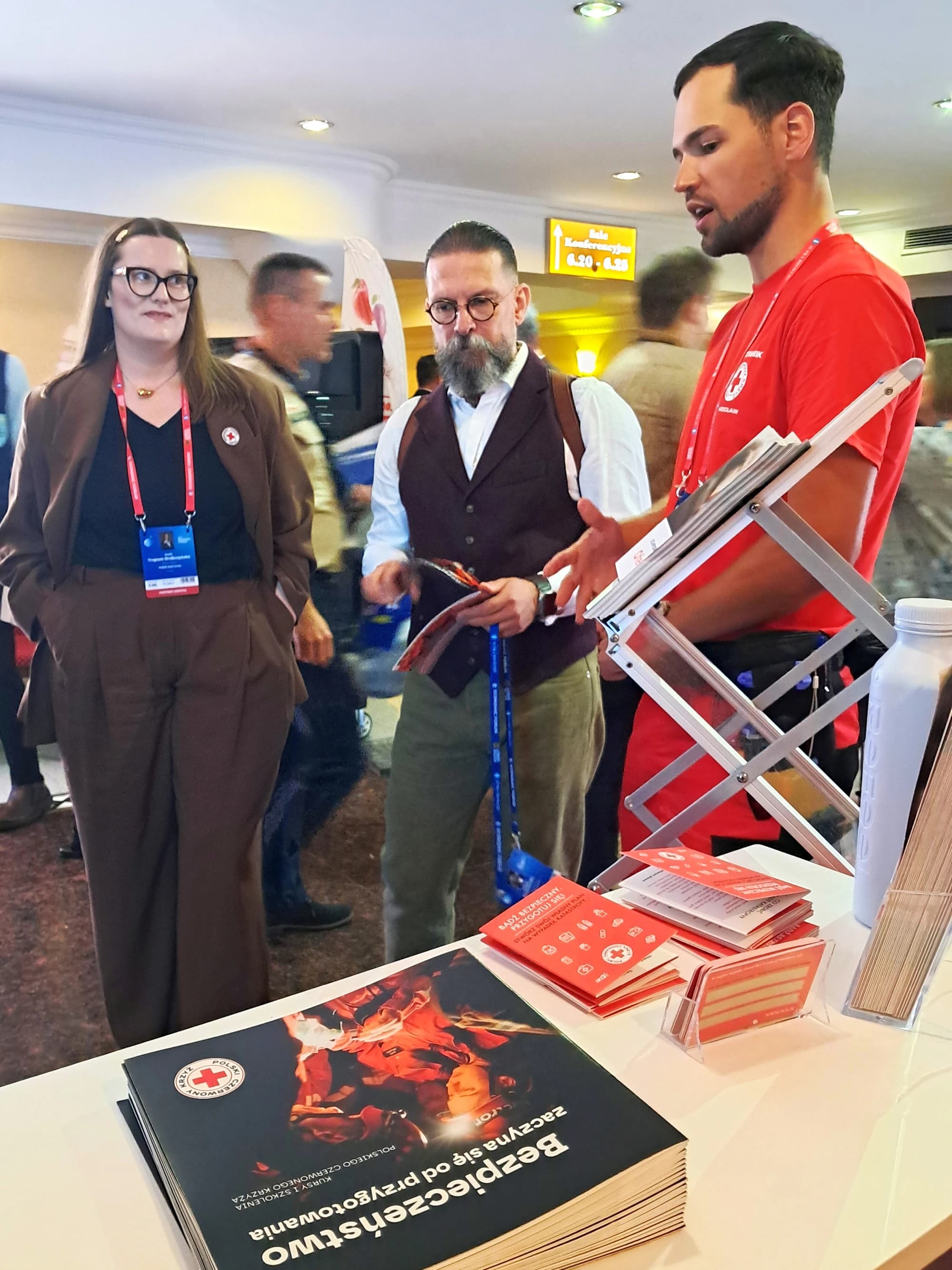
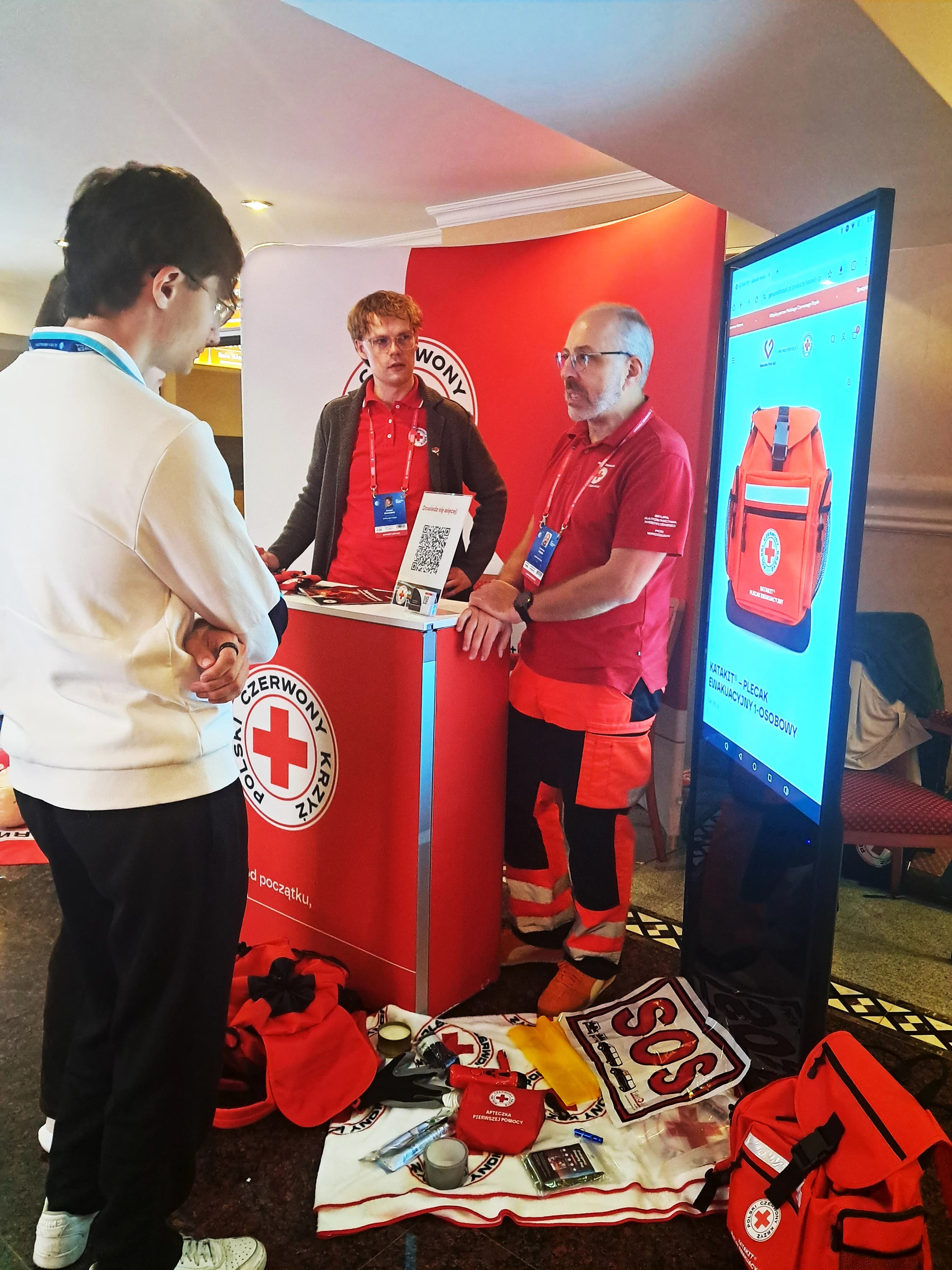
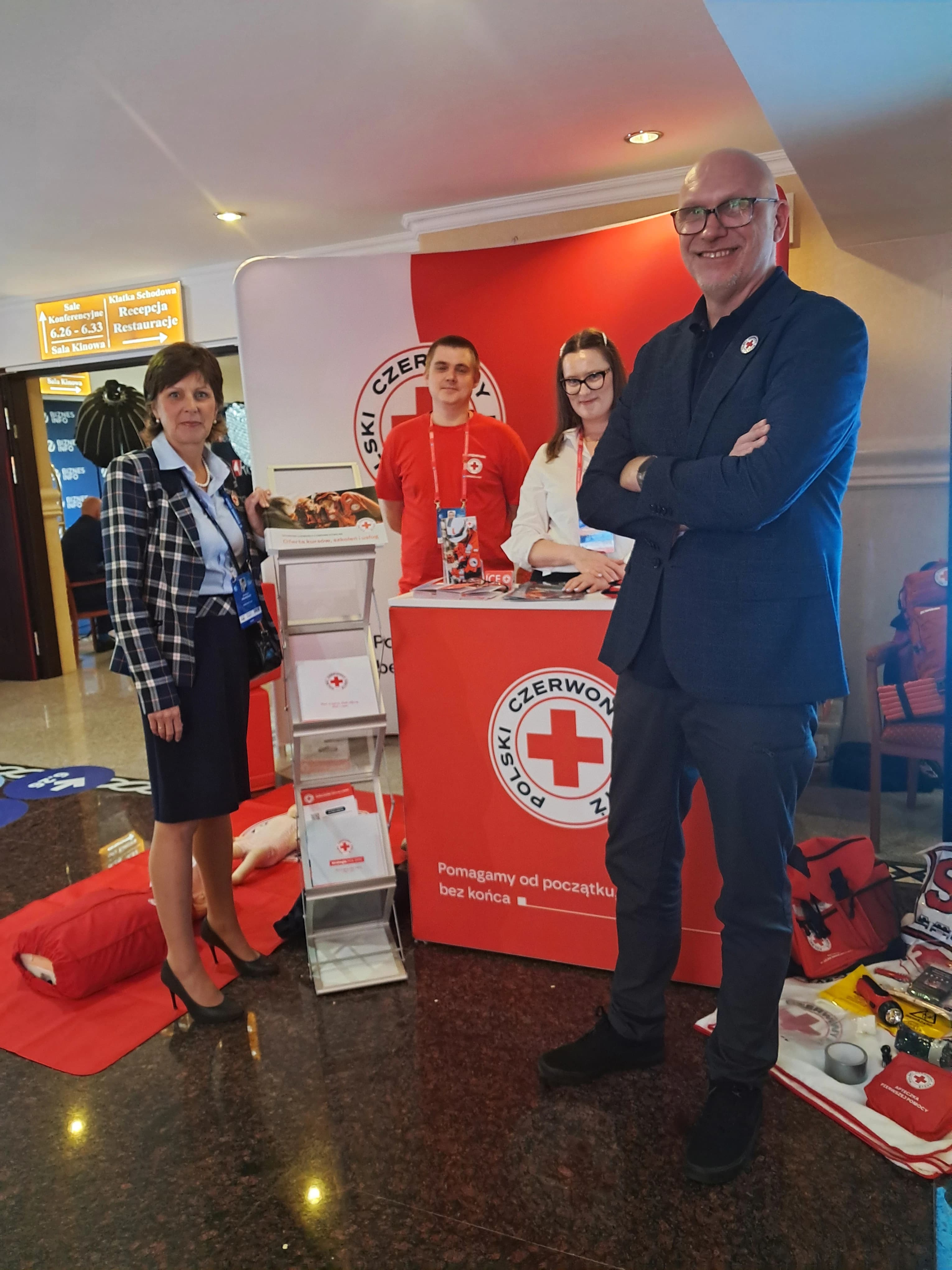
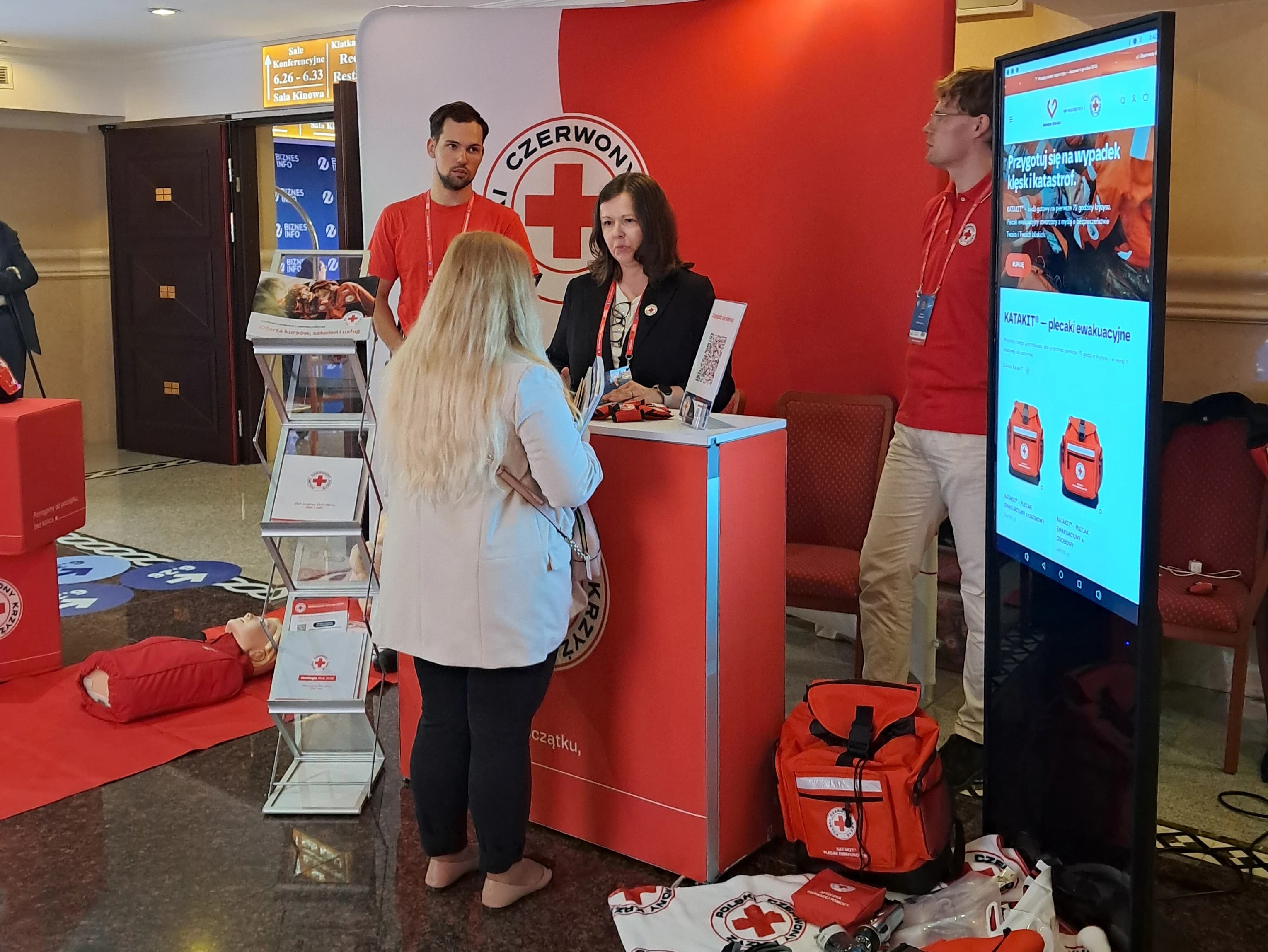
We thank you for the dozens of conversations and meetings we held during the Economic Forum. We hope that our presence in Karpacz showed how important non-governmental organizations are in building social resilience and preparing for crises and disasters. We are also discussing this during our current campaign "Tomorrow may look different."
Return
Website sponsored by home.pl

You are currently viewing a page filtered by content from the department. Cała PolskaIf you want to view content from Cała Polskaclick the button